+40 749 680 770Monday - Sunday: 10:00 - 18:00

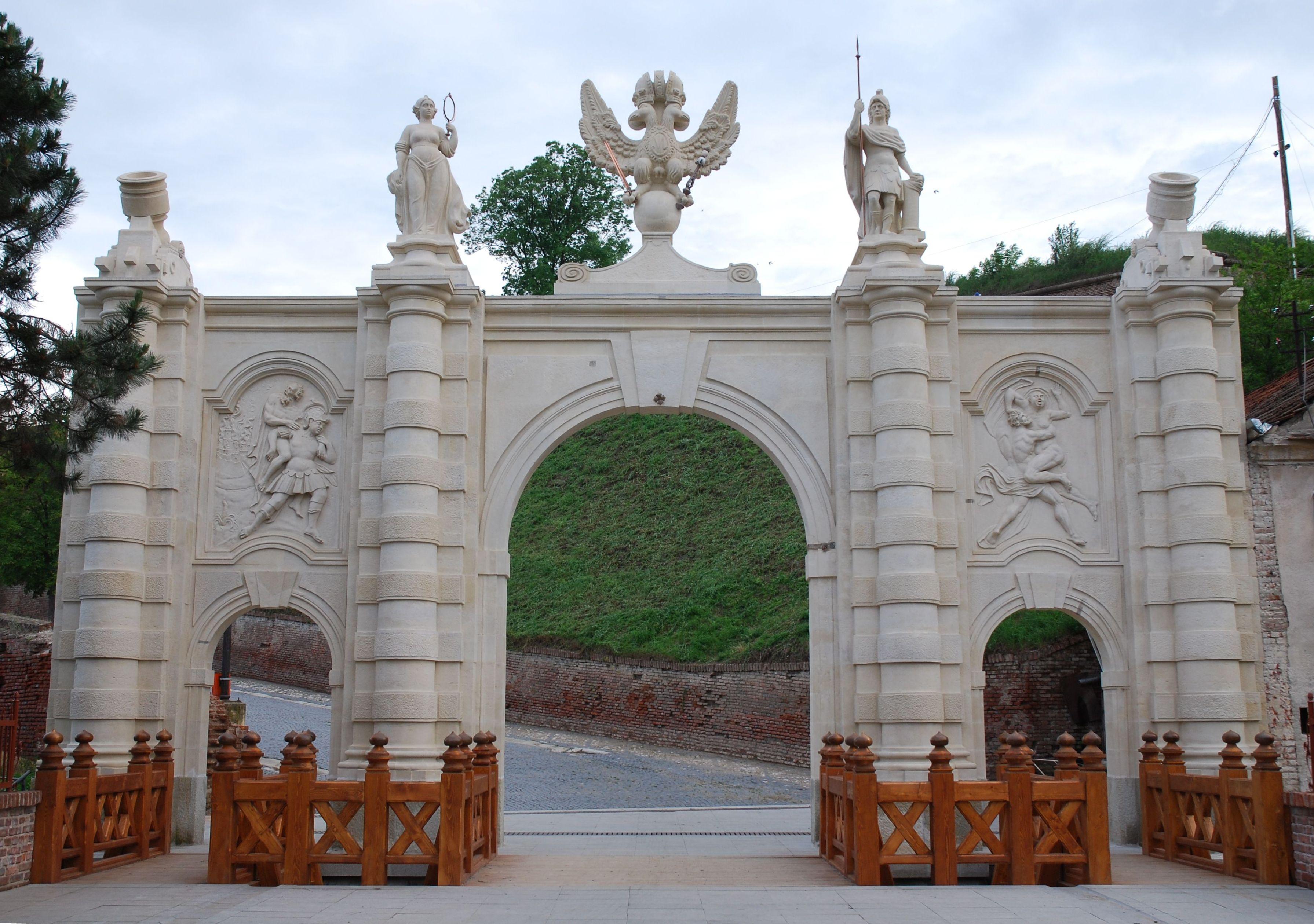
Alba Iulia, in old Romanian Bălgrad, (in Hungarian Gyulafehérvár, translated as the White Fortress of Julius, in medieval Latin Alba Iulia; in antiquity, the site of the current fortress was home to the Roman castrum Apulum) is a municipality and the capital of Alba County in Romania, located in the southwestern part of Transylvania, on the banks of the Mureș River.
The city served as the residence of the princes of Transylvania between 1541 and 1711, thus becoming the political capital of the Principality of Transylvania.
Between 1595-1596, under Sigismund Báthory, and between 1600-1601, under Michael the Brave, it was the residence of the political leader of Moldavia, Transylvania, and Wallachia, which were in personal union.
 Festivals
The Development of Tourism in Romania 2026 Conference: A Reference Event in the Heart of Transylvania On November 26-27, 2026, Cluj-Napoca, one of the most...
 Festivals
Șona, Alba County: A Saxon Village with Authentic Rural Charm Șona, a Saxon village located in Alba County, on the banks of the Little Târnava, is a settle...
 Festivals
LA PAS Festival 2026: A Weekend Celebration of Clean Food and Sustainability in Timișoara Between October 9-11, 2026, Timișoara will host the LA PAS Festiv...