+40 749 680 770Monday - Sunday: 10:00 - 18:00

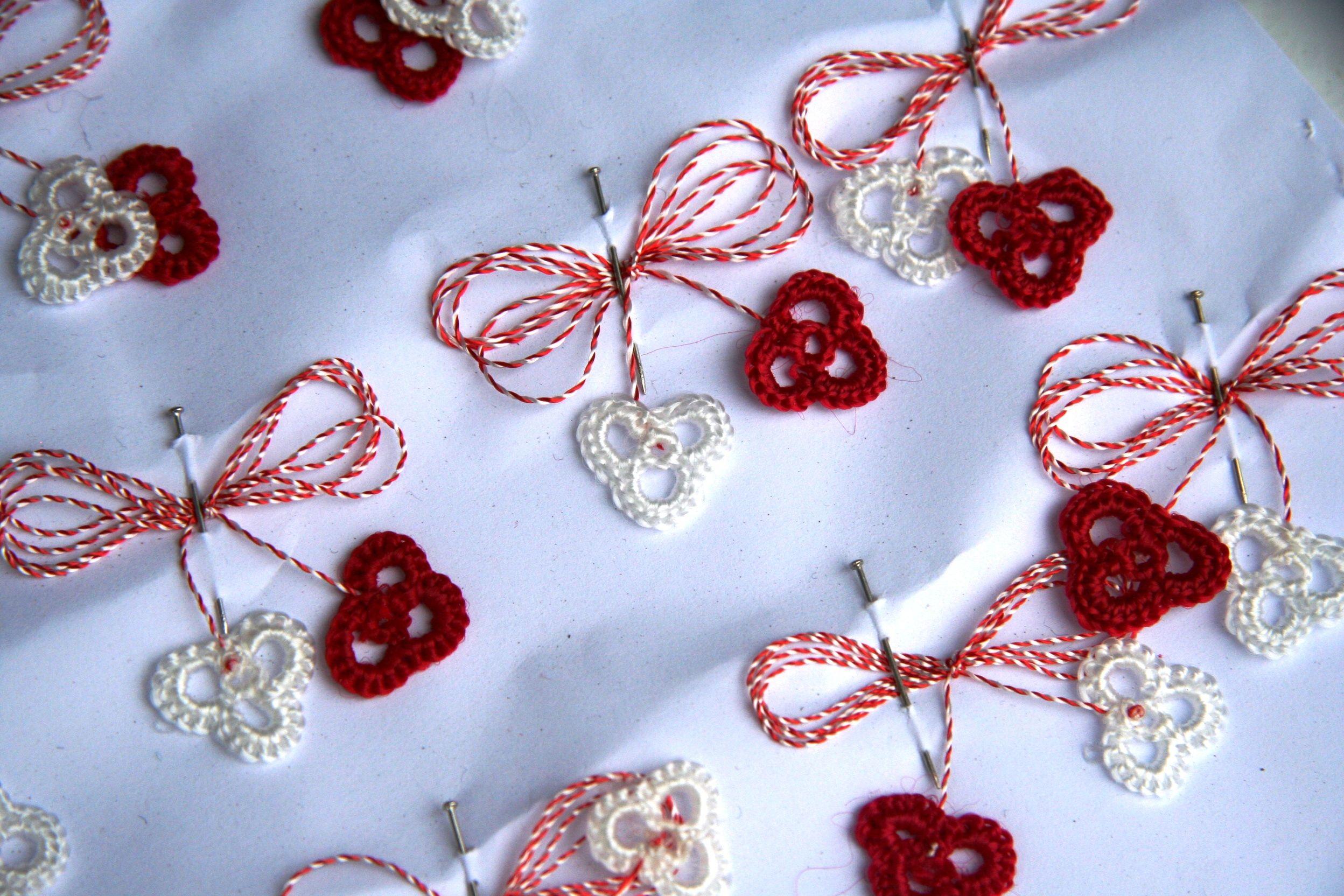
Tradition says that on March 1st, Mărțișor is celebrated, which is the main symbol of the arrival of spring. Mărțișor is a decorated ornament made of a white and red string, symbolizing the unity of opposites: summer-winter, warmth-cold, fertility-sterility, light-darkness.
Although it is not precisely known when this custom originated, it is known that the arrival of spring has been celebrated for over 8,000 years. During the Roman Empire, the new year was celebrated on March 1st, as it was believed to bring luck and happiness.
The Mărțișor celebration is closely tied to Romanian traditions, yet few know that this holiday is actually connected to BABA DOCHIA, whose days begin on this date.
There are many versions of the Baba Dochia myth. One version tells that Baba Dochia had a son named Dragobete, who married against her wishes. To punish her daughter-in-law, Baba Dochia sends her on a cold winter day to the river to wash a ball of black wool, telling her not to return home until it turns white.
The girl began to wash the wool, but it remained black. From the cold, her fingers started to bleed, and she began to cry in sadness, fearing she would not be able to return to her beloved husband. The legend says that at that moment, the girl met Mărțișor (who is believed to be Jesus Christ), who offered her a red flower and told her to wash the wool with it.
Amazed, the girl realized that the wool had turned white, and happy with her achievement, she returned home. But Baba Dochia was not impressed by the girl's story and, annoyed that she had managed to make the wool white, accused her of having a romantic relationship with Mărțișor. After this incident, Baba Dochia was convinced that spring had arrived; otherwise, Mărțișor wouldn't have been able to offer a flower to the girl, and she set off with her flock of sheep towards the mountains.
As she traveled, Baba Dochia gradually removed the twelve coats she was wearing. However, when she reached the top of the mountain, the weather worsened, and Baba Dochia froze along with her sheep, turning into a stone statue. On Mount Ceahlău, one can observe the rocks that stand as living proof of the Romanian myth.
The Days of Baba Dochia are celebrated between March 1-9. The first three days of March are also known as:
It is said that the way these days are will reflect how the seasons will be.
In ancient times, Baba Dochia's days were celebrated to ensure a bountiful harvest, to ward off illnesses, and to bring good luck. Traditionally, during this period, each person can choose a day that, depending on the weather, will reveal how their life will be until the next year.
According to tradition, the Mărțișor is worn throughout the entire month of March, after which it is tied to the branches of a fruit tree. It is believed that this will bring abundance to people's homes. Additionally, it is said that if someone makes a wish while hanging the Mărțișor on the tree, it will come true immediately.
In certain areas of the country, the Mărțișor is worn for only two weeks, while in some regions of Transylvania, it is hung on windows, doors, and the horns of domestic animals, as it is believed to ward off evil spirits. In Banat, on March 1st, girls wash their faces with snow to be loved, while in Dobrogea, Mărțișoare are worn until the arrival of the storks and then thrown into the air so that happiness may be great and winged.
Tradition says that the day of removing the Mărțișor was marked by a celebration called “the drinking of the mărțișor.” As time passed, silver and gold coins were tied to the white and red string. Today, various handcrafted objects are hung from this string, depicting different animals, flowers, or letters.
 Tourist areas
The Residences of the Hungarian Nobility in Transylvania - An Exceptional Destination in Attractive Romania Transylvania, a historical region of Romania, i...
 Tourist areas
Polovragi Resort: A Model of Sustainable and Ecological Tourism in the Heart of Transylvania In the heart of Transylvania, at the intersection of mountains...
 Tourist areas
Romania - Spectacular Accommodations Romania, our country, is known for its natural and historical beauties, offering a wide range of accommodation options...