+40 749 680 770Monday - Sunday: 10:00 - 18:00
RomânăDeutschEnglish
Turist in Transilvania
HomeAccommodationToursDiscover Transylvania
Turist in Transilvania
HomeAccommodationToursDiscover Transylvania
+40 749 680 770
Turist in Transilvania

Discover the beauty of Transylvania - from medieval fortresses to spectacular mountain landscapes.

+40 749 680 770
contact@turistintransilvania.com

Menu

  • Home
  • Discover
  • Accommodations
  • Tours

About Us

  • About Us
  • FAQ
  • Terms and Conditions
  • Privacy Policy
  • Cookie Policy

Accommodation

  • Medieval Apartments Frauendorf
  • Burg Apartments Meschen
  • Unesco Apartments Wurmloch

© 2026 Turist în Transilvania. All rights reserved.

RomânăDeutschEnglish
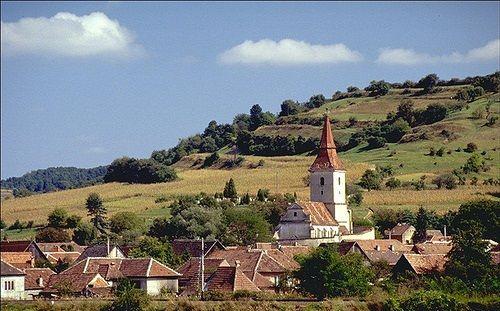
The village of Agârbiciu, a place where numerous archaeological discoveries have been made.
TraditionHistoryTourist areasThe Marginimea of SibiuMediașSibiu

The village of Agârbiciu, a place where numerous archaeological discoveries have been made.

Ladislau Ciocan
•January 31, 2013

The Village of Agârbiciu

Agârbiciu is located in the northern part of Sibiu County, 19 km from Mediaș and 38 km from Sibiu, belonging to the commune of Axente Sever. The first documentary mention of the locality dates back to 1343, when it was noted as a Saxon settlement belonging to the Şeica Seat. The fortified church, dedicated to the Virgin Mary, is built on a hill in the middle of the village, with defensive walls measuring 6 meters, documented as early as 1415.

Archaeological Discoveries

Following archaeological excavations, traces dating back to before the metal age have been discovered within the settlement. Additionally, from that time period dates the burial necropolis, found in the area of the railway, which includes over 50 graves with well-preserved skeletons, accompanied by iron weapons.

Numerous archaeological objects have been discovered within the village of Agârbiciu, which are currently displayed at the Brukenthal Museum in Sibiu:

  • A Neolithic stone axe with a hole for attaching to a handle.
  • A spherical mace from the Bronze Age.
  • An iron spearhead from the Iron Age II.
  • A bronze fibula in the shape of an anchor from the Roman era.
  • A dwelling from phase B of the Petrești Eneolithic culture.
  • Numerous ceramic fragments from the Eneolithic Petrești and Coțofeni cultures.
  • A clay spindle whorl dating from the Iron Age.
  • A treasure of Dacian objects consisting of:

- Two silver fibulae with nodules.

- Five silver drachmas from Dyrrhachium.

- A bronze coin.

  • 50 graves with well-preserved skeletons and iron objects beside the deceased, including:

- An iron sword with a single edge.

- An iron spearhead, etc.
  • The rim of a trough that can be dated to the Roman era.
  • Remnants of a medieval fortification.

Share this article

Articles

Related Articles

Exile and homeland – on Ovid's footsteps through Romania (from Transylvania to the Black Sea)
Festivals

Exile and homeland – on Ovid's footsteps through Romania (from Transylvania to the Black Sea)

Exile and homeland – in Ovid's footsteps through Romania (from Transylvania to the Black Sea) (Guided individual trip with minibus/HP) Contact person: Ladislau Ciocan / Dr. Heike Lammers-Harlander Travel companion: Ladislau Ciocan / Dr. Heike...

February 28, 2017readMore
The village of Fundata
History

The village of Fundata

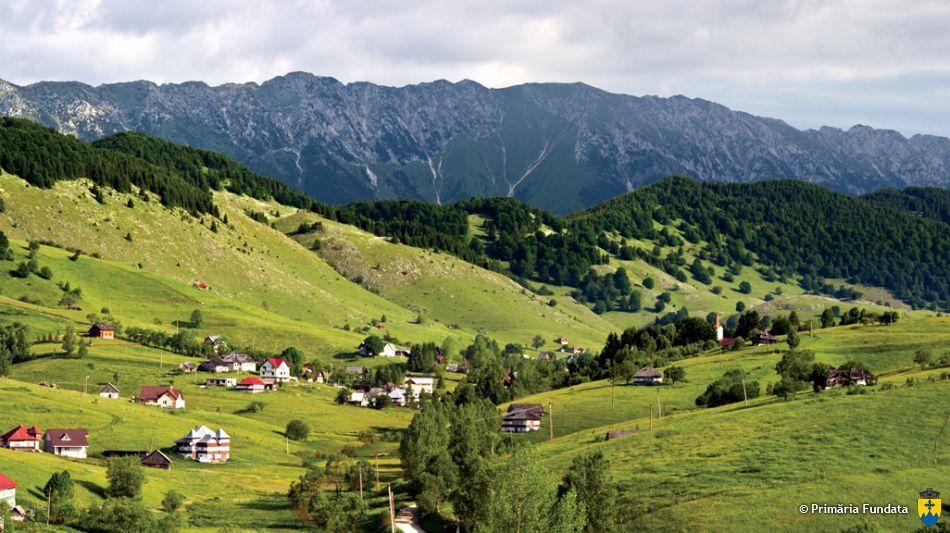
Brașov County is home to a collection of villages, each more breathtaking than the last. Today, we turn our attention to the village of Fundata, considered the seat of the Fundata commune, also located within Brașov County. With a population of 464...
December 10, 2016readMore
The Seven Ladders Canyon
History

The Seven Ladders Canyon

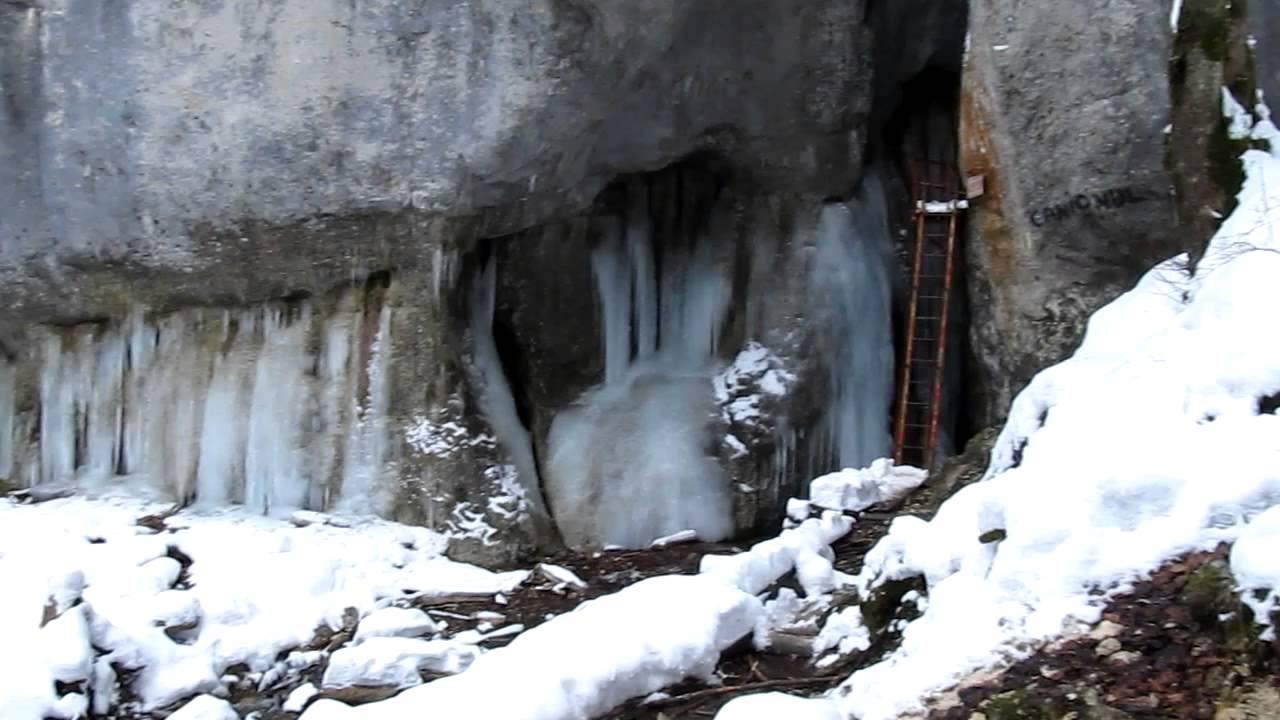
Located in Brașov County, the Seven Ladders Canyon is one of the most visited and enjoyable gorges in our country. With a length of over 150 meters at an altitude of 948 meters, this course is made up of Jurassic limestone originating from the...

December 10, 2016readMore
All articles