+40 749 680 770Monday - Sunday: 10:00 - 18:00

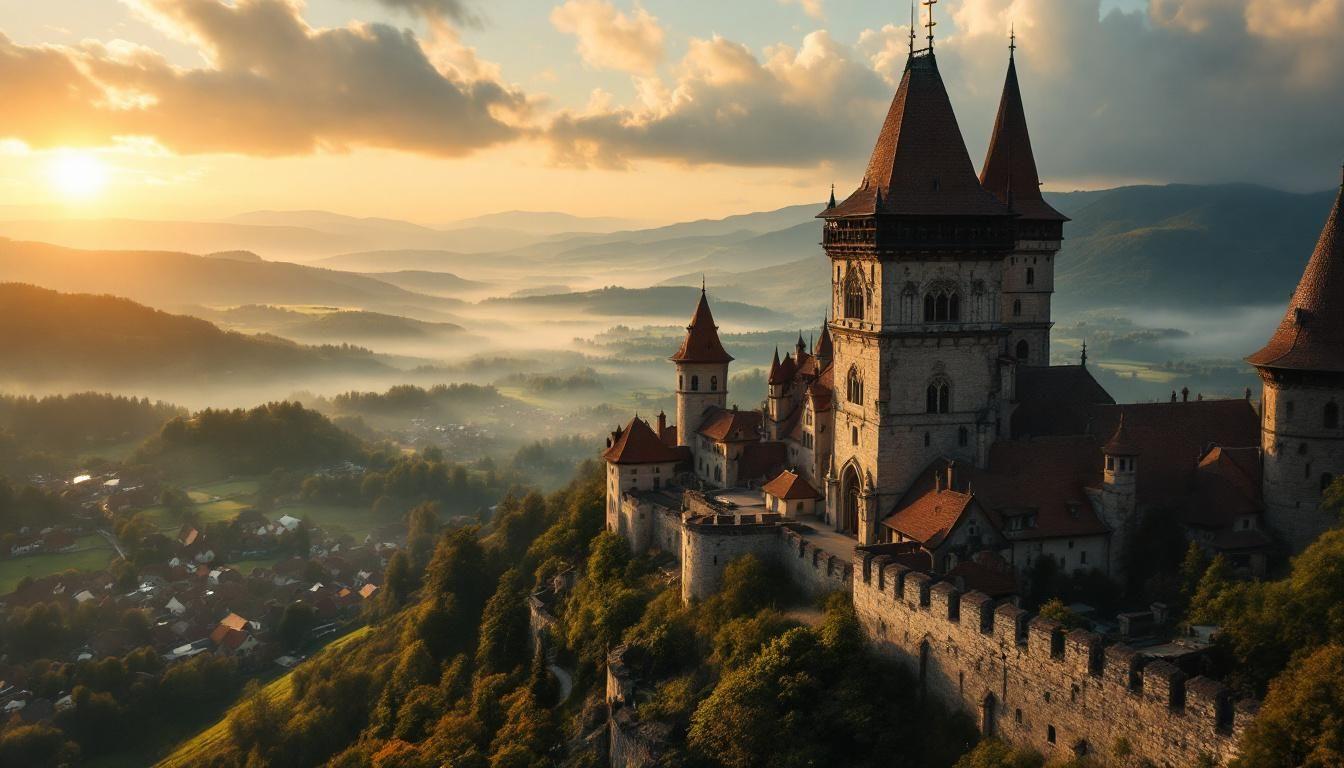
Transylvania, a region with a rich and diverse history, is known for its numerous tourist attractions, but among the most important and fascinating are the fortified churches. These complex structures, known as "weerkerken", represent one of the most important symbols of Transylvania's heritage, offering an authentic insight into the history and continuity of life in Romanian villages.
The fortified churches of Transylvania were built between the 13th and 16th centuries, during the period of formation of the Saxon communities in the region. They were built as a response to the need for defense against Ottoman and Tatar attacks, which affected the region at that time. Over time, these churches became centers of survival for local communities, offering shelter and protection during times of war and social unrest.
The fortified churches of Transylvania are complex structures that combine religious, defensive, and social functions. They are characterized by tall towers, thick walls, and powerful bastions, built to resist attacks. Within the fortified enclosures, there were special storage facilities for grain reserves and the famous "bacon towers", where locals stored meat in optimal temperature and safety conditions. Some complexes even included workshops for craftsmen and small schools, demonstrating remarkable social organization.
The fortified churches played a crucial role in local communities, serving as centers of survival and shelter during times of war and social unrest. They were also meeting places and social hubs for locals, where important events and celebrations were organized. Moreover, the fortified churches were centers for preserving local traditions and customs, where local crafts and gastronomy were conserved.
Currently, the fortified churches of Transylvania are considered historical monuments and are protected by the state. They are carefully restored and conserved to preserve their authenticity and historical value. In 2026, this destination remains a priority for promotion, being the "visiting card" of rural Transylvanian tourism at an international level. Visiting the fortified churches offers an authentic insight into the history and continuity of life in Romanian villages, and is an experience not to be missed.
Among the most famous and impressive fortified churches of Transylvania are:
The Fortified Church of Biertan, UNESCO World Heritage Site The Fortified Church of Malancrav, a remarkable example of Gothic architecture The Fortified Church of Prejmer, one of the largest and most impressive in the region The Fortified Church of Viscri, an example of Saxon architecture in Gothic style The Fortified Church of Saschiz, a historical and architectural monument
The fortified churches of Transylvania are an important part of the region's cultural and historical heritage. These complex structures, which combine religious, defensive, and social functions, offer an authentic insight into the history and continuity of life in Romanian villages. Visiting these objectives is an experience not to be missed, and is a way to understand the architectural ingenuity of the Saxons and how traditions, such as local crafts and gastronomy, are preserved.
Before you start your journey through Transylvania, we recommend that you document yourself about these historical monuments and prepare for an authentic and surprising experience. We await you in Transylvania, where we will welcome you with open arms and traditional hospitality!
 Festivals
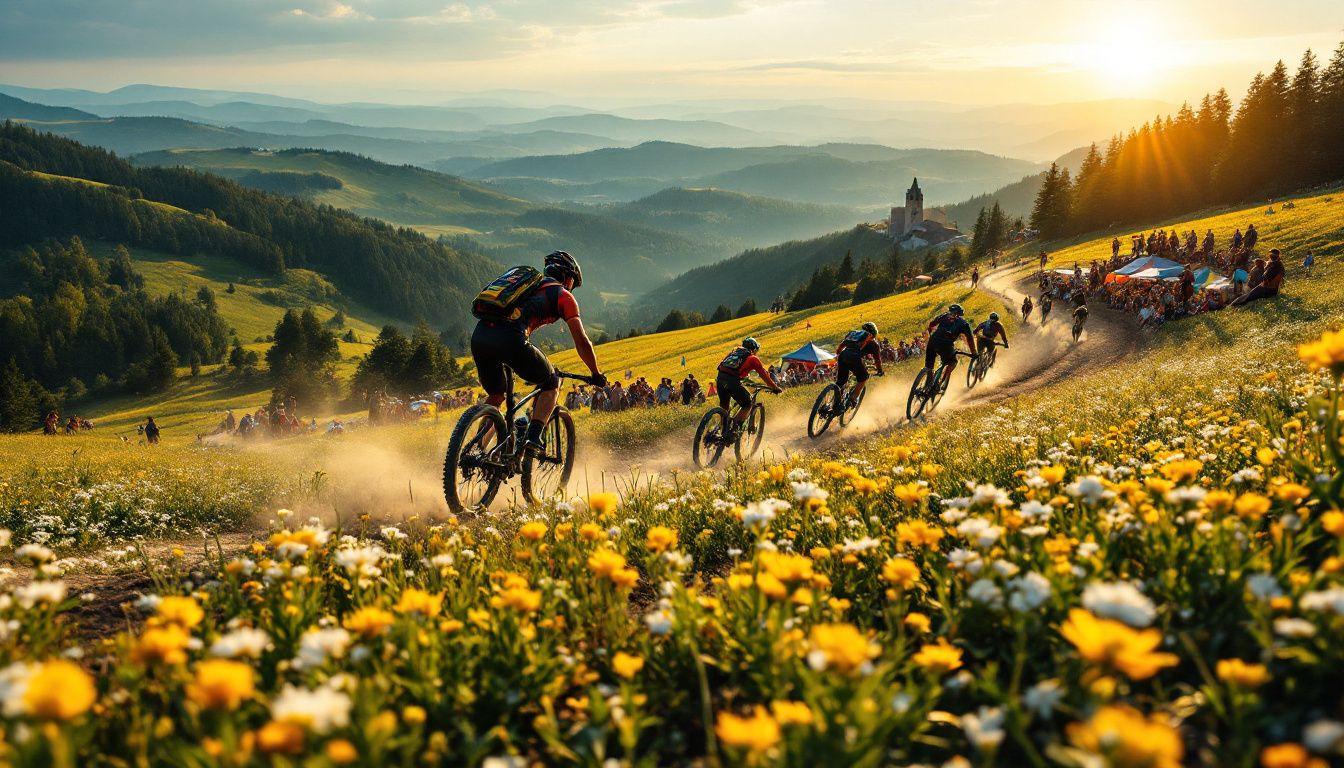
Transilvania Bike Trails Race 2026: A Cycling and Heritage Discovery Experience In the heart of rural Transylvania, from August 19-23, 2026, one of the mos...
 Festivals
Transylvania Bike Trails Race Festival 2026: A Complete Vacation Experience in the Heart of Transylvania From August 19-23, 2026, the Hills of Transylvania...
 Festivals
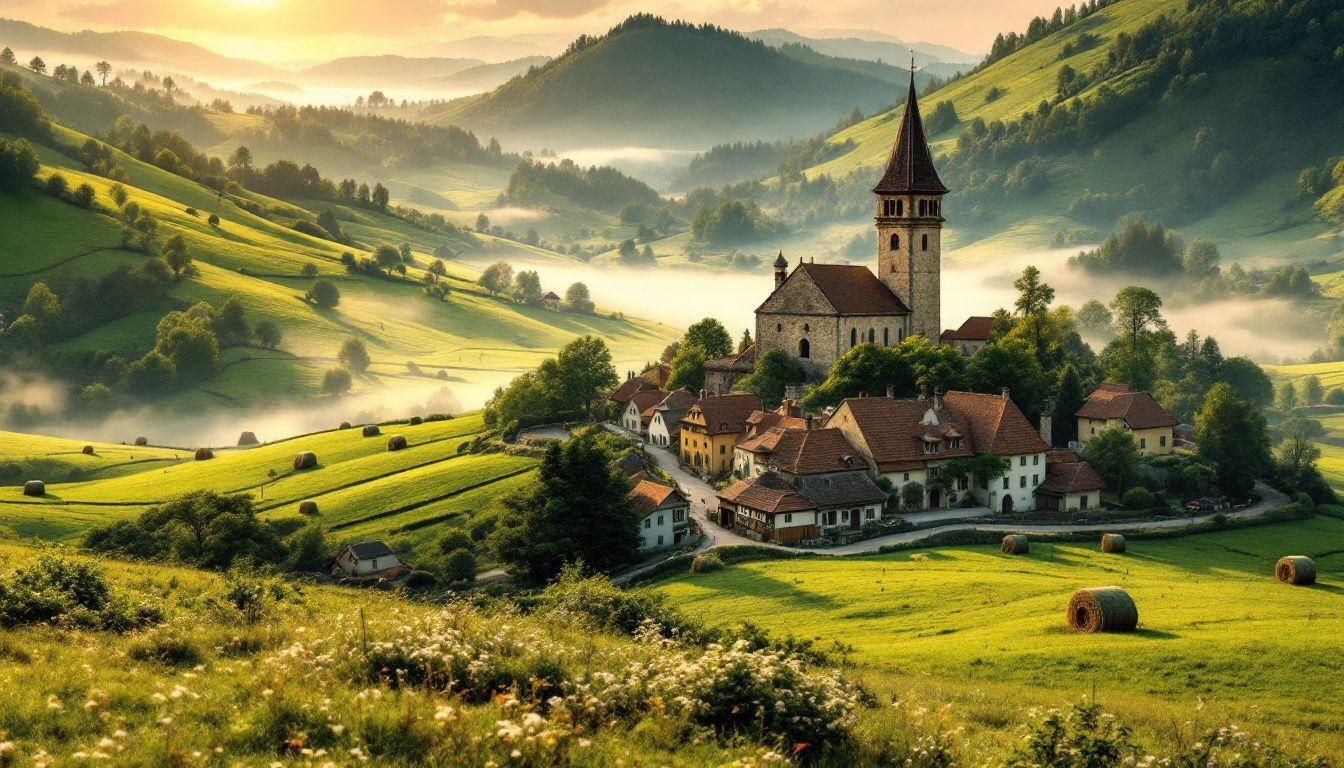
The Village of Țapu (Abtsdorf): An Oasis of Peace and Tradition in the Heart of Transylvanian Hills Located in Sibiu County, in the commune of Micăsasa, Th...