+40 749 680 770Monday - Sunday: 10:00 - 18:00

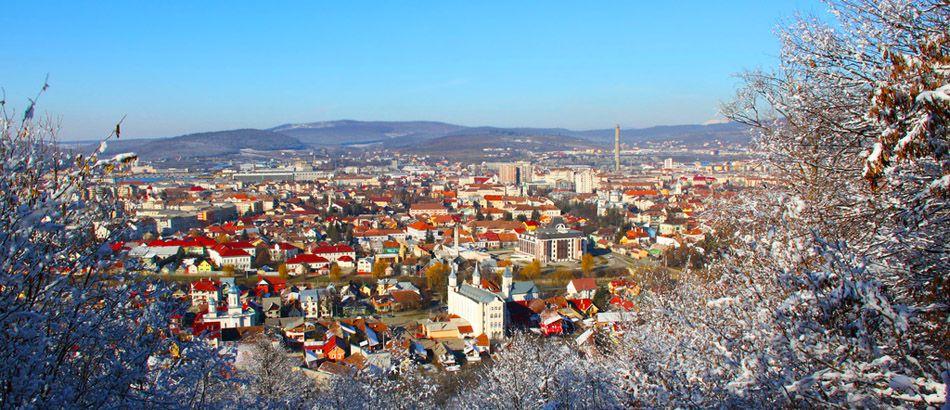
Transylvania is filled with cities and areas offering incredible views – and even with people who welcome you with open arms. If the villages are too small and far too ordinary for some, the cities tell a completely different story. The urban area of Romania, particularly in Transylvania, also reflects on the municipality of Bistrița. This city, also recognized as the residence of Bistrița-Năsăud County, has a population of 75,056 inhabitants (according to statistical data from the end of 2011).
However, the city has not always been detached from reality and dangers. Between 1241 and 1242, the locality was besieged by a Mongol invasion, which affected a large part of what was then the Hungarian kingdom. The hardships for the city of Bistrița were even greater, as many cities were usually economically, financially, industrially, and in many other ways developed before such an event took place.
Today, the city of Bistrița boasts an impressive number of architectural monuments that are worth visiting at least once in a lifetime. Among them:
In the lands of Transylvania, religion has always played an extremely important role. Thus, the city of Bistrița is home to several places of worship, especially:
In short, each group of people who settled and surged upon the city has left its mark, ensuring that their area would be distinctly defined.
On the other hand, if you find yourself in Bistrița, it is imperative to stop by:
Only then will you be able to grasp the rhythm of this majestic Transylvanian city.
 Tourist areas
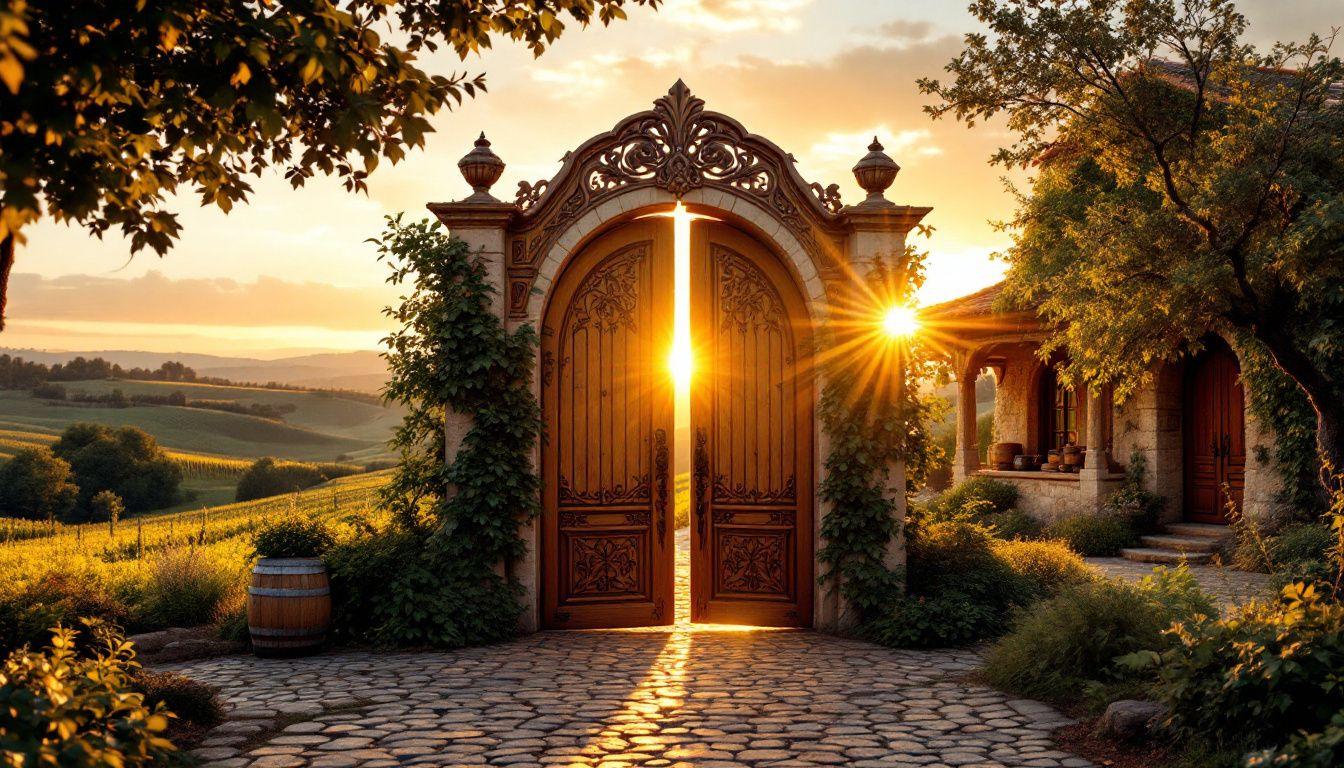
The Sântu Cellar and the Gate of the Soul: An Authentic Wine Destination in the Heart of Transylvania Transylvania, a region known for its natural beauty a...
 Tourist areas
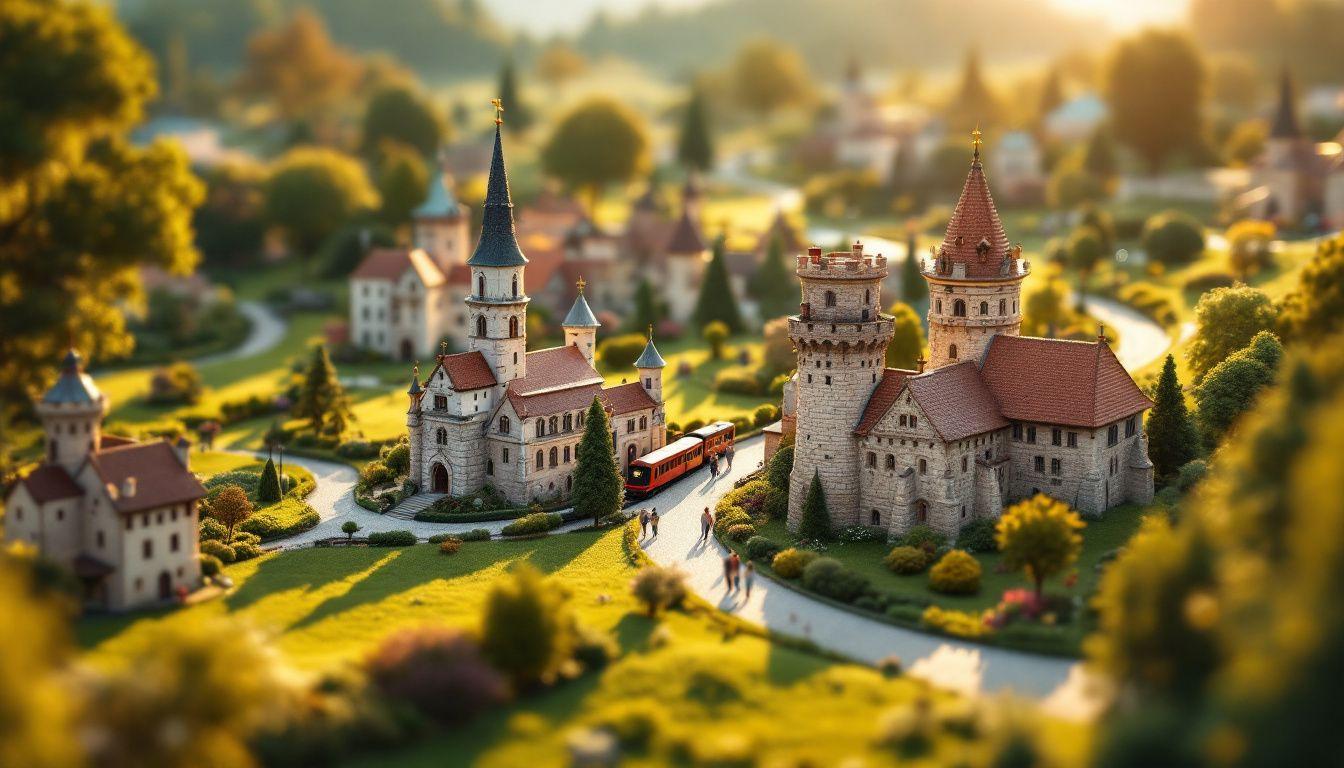
Mini Transylvania Park: A Paradise of Architectural Miniatures in the Heart of Transylvania In the heart of Transylvania, in the Băile Seiche area of Hargh...
 Tourist areas
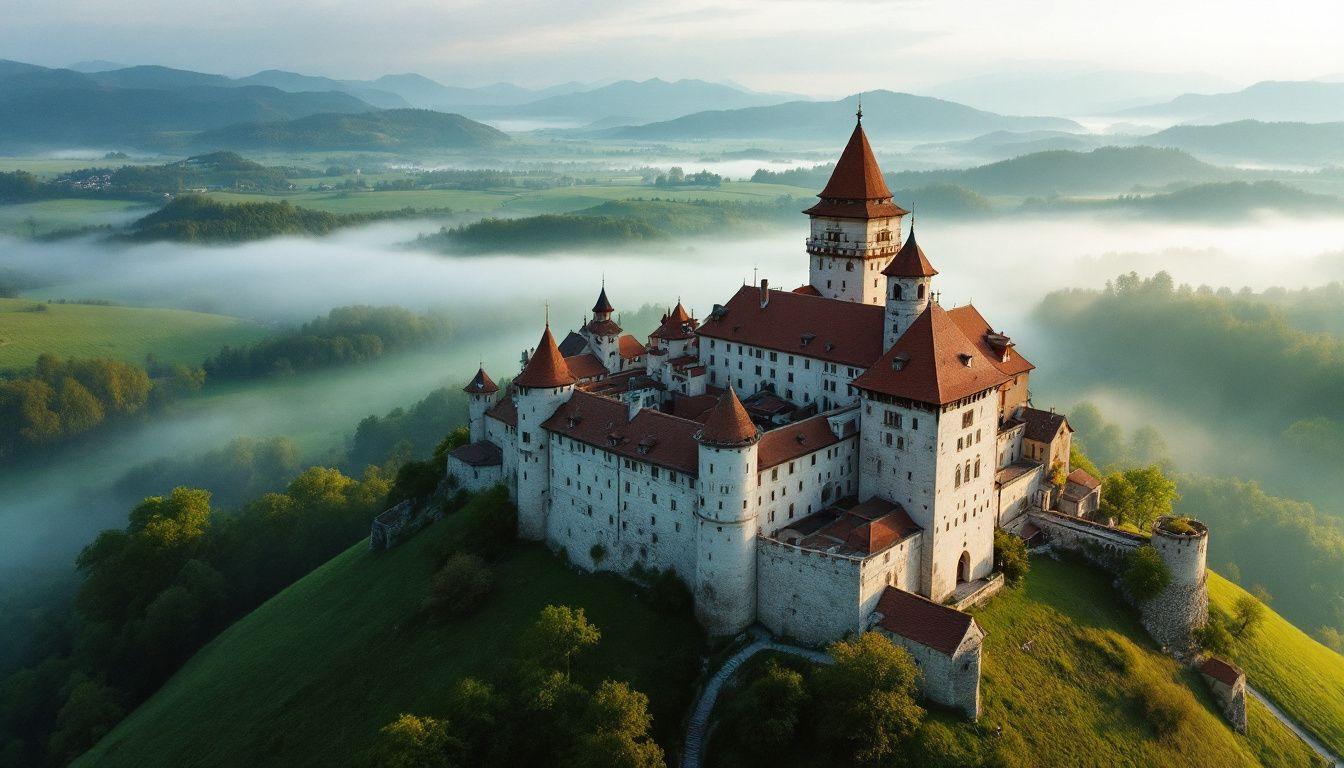
Feldioara Fortress - Marienburg: A Medieval Fortress in the Heart of Transylvania Located in Feldioara, Brașov County, approximately 20 kilometers north of...