+40 749 680 770Monday - Sunday: 10:00 - 18:00

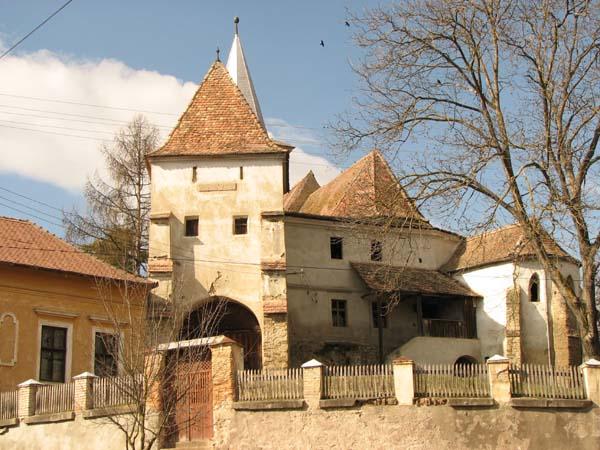
The Sibiu locality of Curciu (or, as it was once known in a long-gone past, *Criș) has existed officially in documents since 1322. Back then, the village was called Keureus*, a Dacian settlement that housed a much larger population than it does today.
Being a renowned village, Curciu boasted a church, a school, and an infirmary – but let’s focus on the church, as it embodies the most important historical monument in the area.
Like most Sibiu villages, Curciu has an Evangelical Church built in the first half of the 14th century. The characteristic style is Gothic, but time has left its mark, shaping the church through various modifications. Hence, the accumulation of interesting elements, which are said to encompass the work of thousands of people.
Regarding the construction process of the fortification, it is divided into two stages:
Perhaps the most important part of the church is the organ, which was completed in 1844 by Wilhelm Maetz. Time passed, and the need for repairs and restoration increasingly made its presence felt in the village of Curciu, which is why Andreas Scherer gathered all his forces to restore it to working order in 1906.
However, since then, things have stagnated – the church's organ is covered in dust, neglected, yet regarding its operational state, there is no issue that jeopardizes its use. Anyone, preferably someone knowledgeable, could bring back the light of what we call musical notes in a church with so much tradition and history, just like the Fortified Church located in the Sibiu village of Curciu.
Nowadays, anyone can visit Curciu – documented since 1322, with a population of 713 residents, the area is more than just nature.
Moreover, you can relax and enjoy the natural and healthy mountain air, in the heart of Sibiu County. Surely, once you come here, you will want to return – and there are countless reasons why your return will be beneficial:
These factors will undoubtedly draw you back to the well-being of Curciu.
 Tourist areas
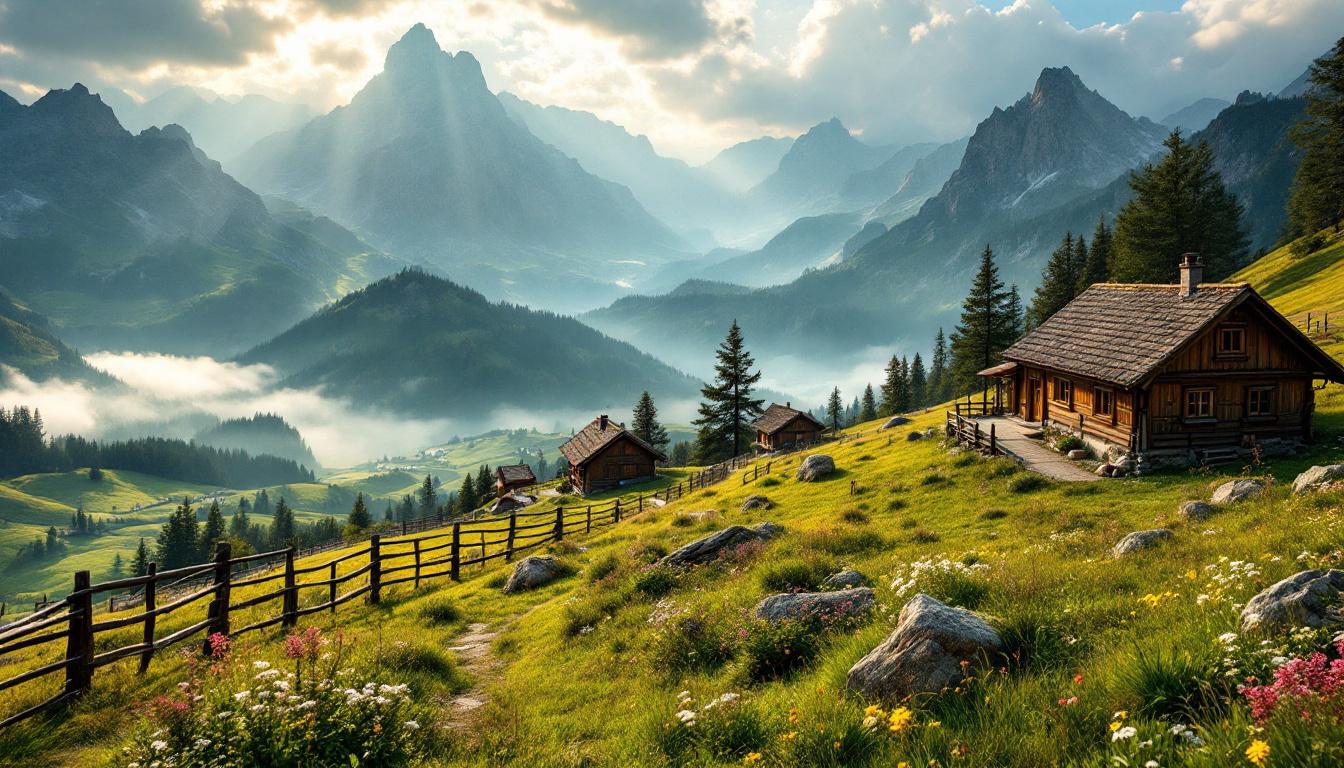
The Transylvania Amphitheater: A Dream Refuge in the Heart of the Carpathians In the village of Moieciu de Sus, Brașov County, there is a magical place whe...
 Tourist areas
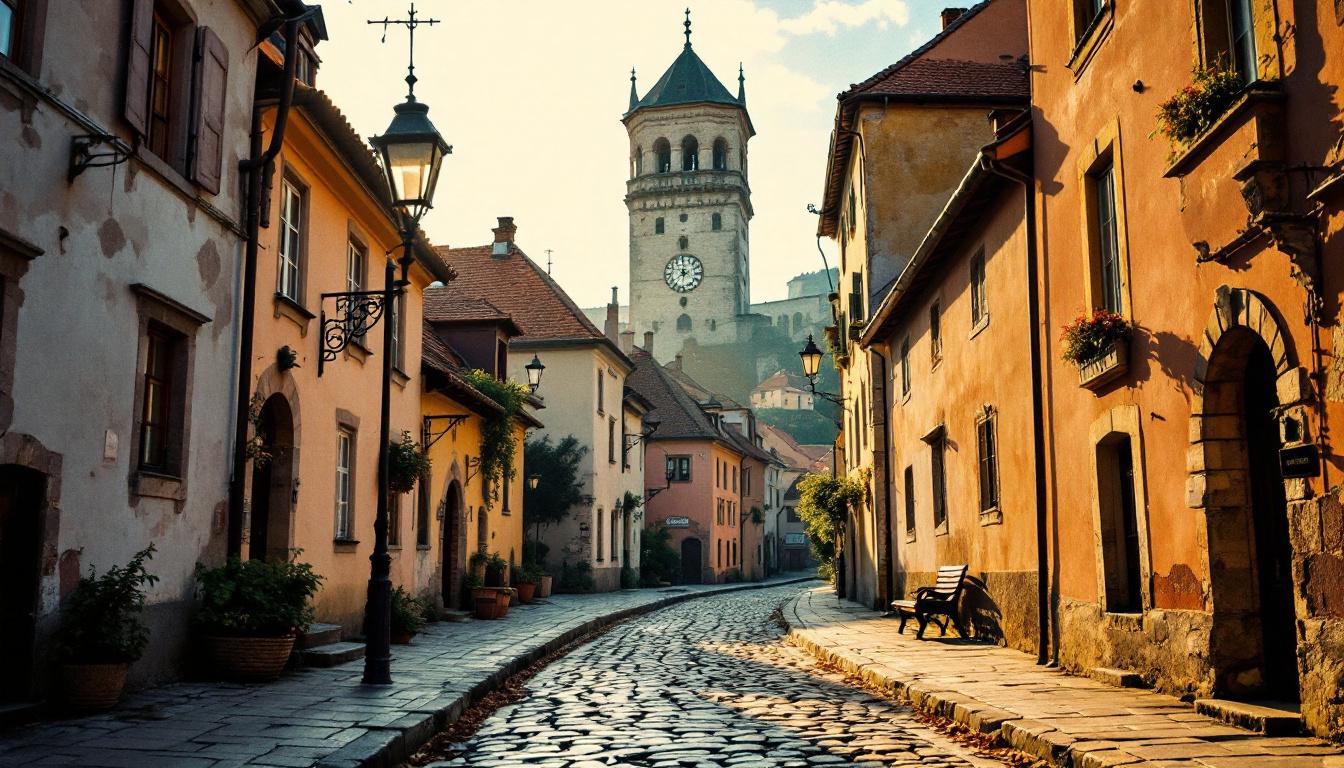
Sighisoara Citadel: A Treasure of History and Beauty in the Heart of Transylvania Sighisoara Citadel, located in Mures County, in the heart of historical T...
 Tourist areas
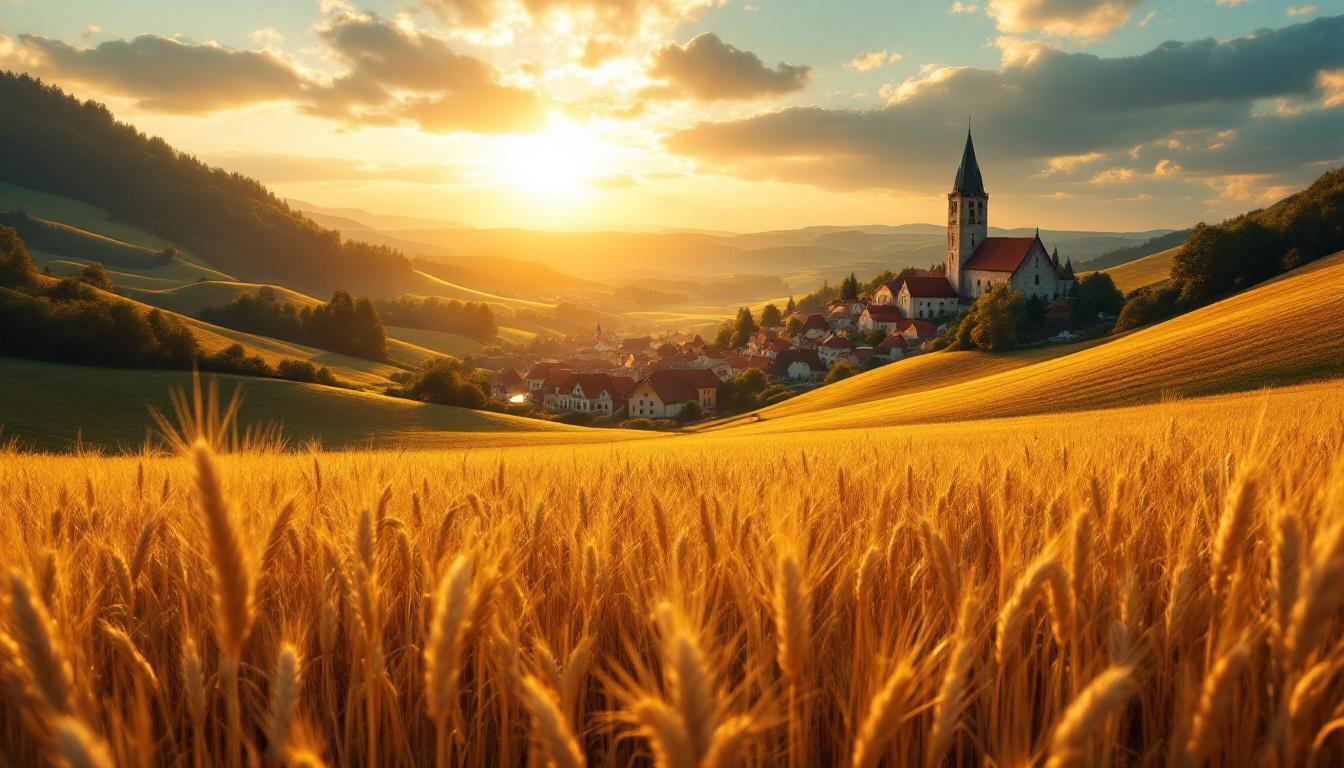
Haferland - The Land of Oats, a Dream Region in the Heart of Transylvania In the heart of Transylvania, between Brașov and Mureș, lies one of the most pict...