+40 749 680 770Monday - Sunday: 10:00 - 18:00

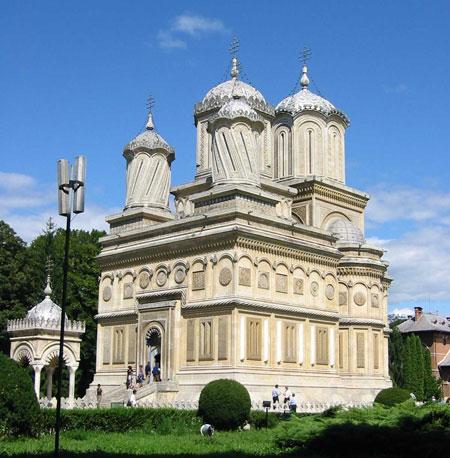
Curtea de Argeș Monastery is a true masterpiece of Romanian architecture, surpassing in beauty, both architecturally and artistically, everything that has been achieved in our country up to the 16th century.
The Curtea de Argeș Monastery is located in the city of Curtea de Argeș and includes the episcopal church, one of the most renowned architectural monuments in Wallachia.
The monastery was founded by Neagoe Basarab (1512-1517), who built it on the site of the old Cathedral of the Archdiocese of Argeș. The walls of the archdiocese were demolished in 1512 by Neagoe Basarab to raise this monastery, intended to surpass in beauty everything that had been built until then.
Legend has it that Neagoe Basarab entrusted the construction of the monastery to the legendary Master Manole, who, at the cost of his own life and that of his wife—who is said to have been bricked alive within the church's walls—erected this edifice. On the wall of the church, there is a marked spot where it is believed that Master Manole bricked his wife.
Curtea de Argeș Monastery is a place of worship as well as a symbol of the sacrifice of the Romanian people. The construction of the monastery lasted three years (1512-1517) and the painter Dobromir Zugravul created the church's paintings, completed in 1526 during the reign of Radu de la Afumați, the son-in-law of Neagoe Basarab.
In terms of architectural style, the monastery was built in the Byzantine style with influences from Armenian, Persian, Georgian, and Arab art.
In the winter of 1610-1611, following actions taken by Gabriel Bathory and his army, as well as earthquakes and fires, the church was subjected to looting and damage. It was restored in 1682 by Șerban Cantacuzino, who referred to the voivode Neagoe Basarab as "the ancestor of my reign."
After a fire, the church was rebuilt in its current form by the French architect André Lecomte du Nouy between 1875 and 1886. As a result of this restoration, only a few fragments of the old 16th-century paintings remain; the original frescoes executed by Dobromir in 1526 can only be seen at the National Museum of Art and History in Bucharest.
The church is set on a strong foundation: a vast horizontal pavement made of stone blocks, wider than the church's base area, with its edges ending in a kind of enclosure made of stone-carved floral motifs (in this case, lilies).
In the vicinity of the monastery, there is a spring called "Manole's Fountain." It is believed that Master Manole died here after throwing himself off the roof of the holy place.
Curtea de Argeș Monastery is also the royal necropolis, where the kings and queens of Romania are buried:
Basarabilor Boulevard, no. 1, Curtea de Argeș
You can find more information about Curtea de Argeș Monastery [here](#).
 Tourist areas
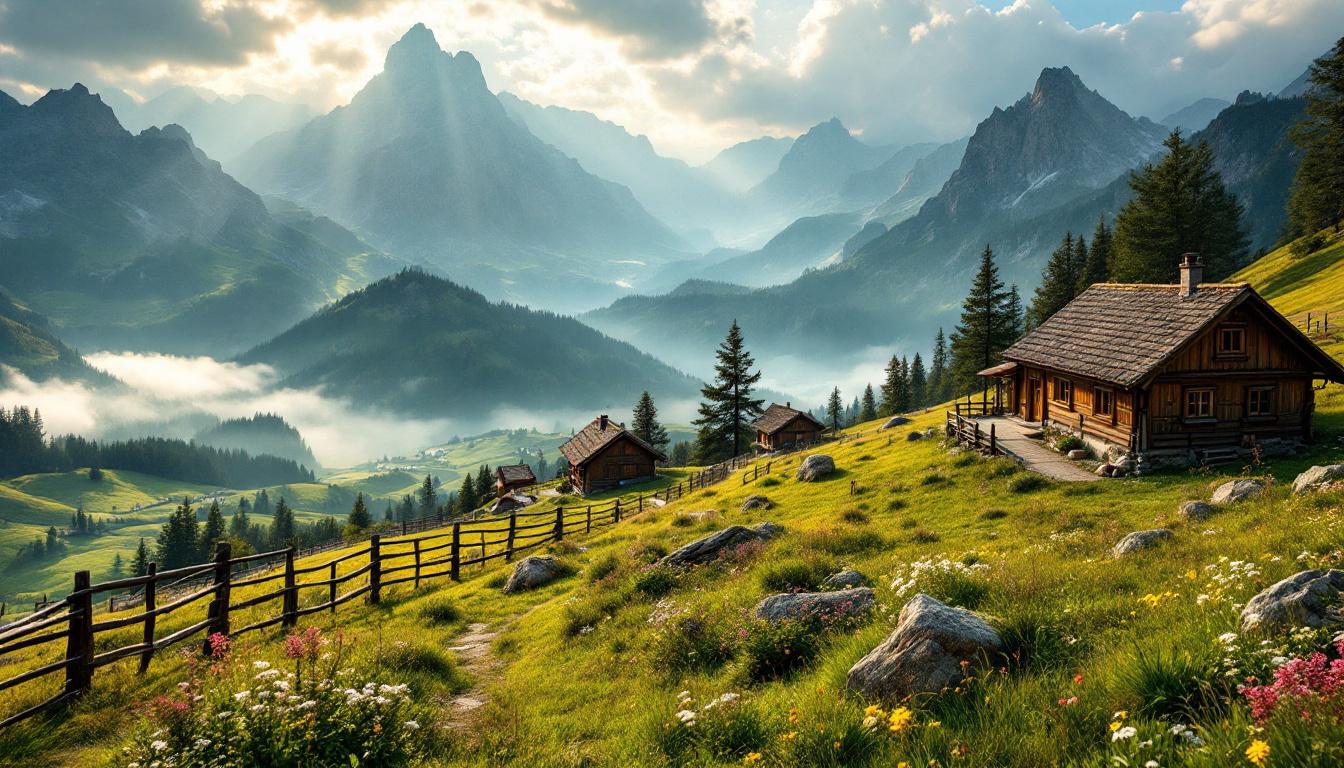
The Transylvania Amphitheater: A Dream Refuge in the Heart of the Carpathians In the village of Moieciu de Sus, Brașov County, there is a magical place whe...
 Tourist areas
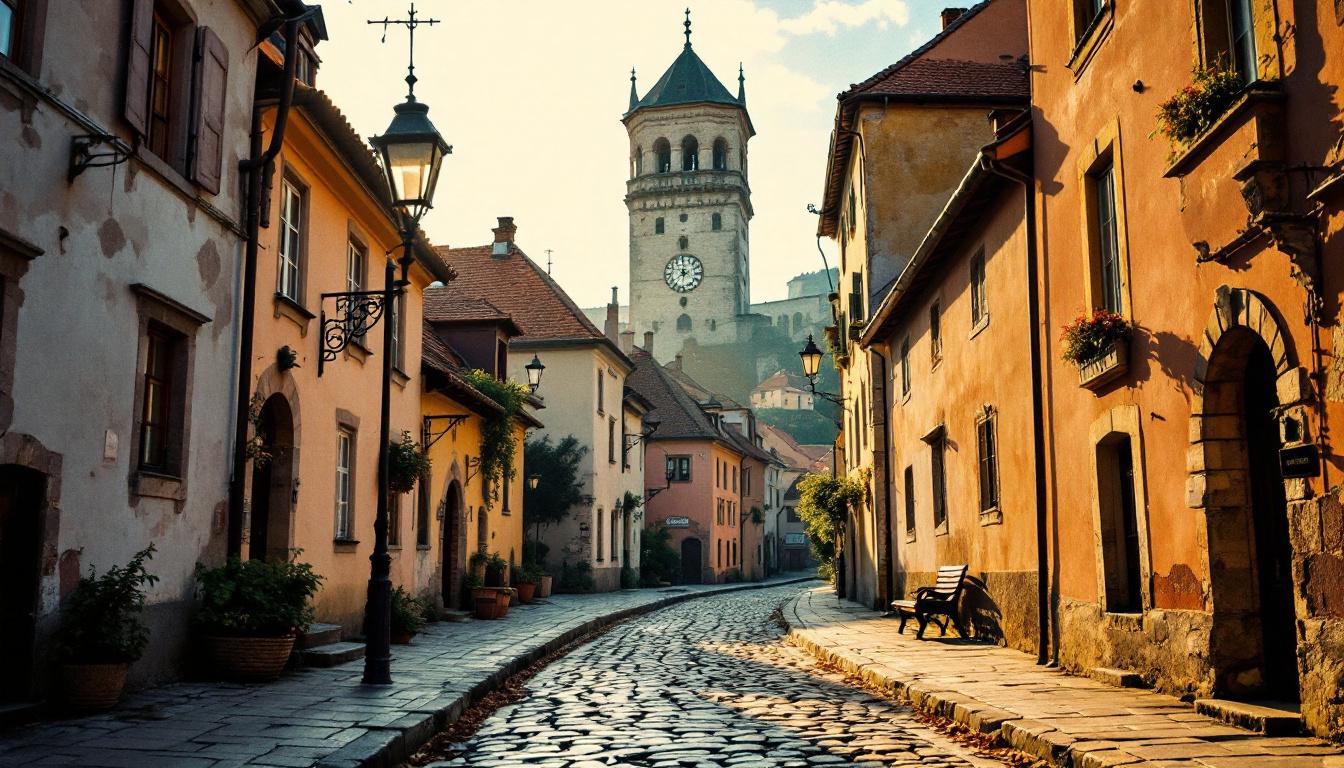
Sighisoara Citadel: A Treasure of History and Beauty in the Heart of Transylvania Sighisoara Citadel, located in Mures County, in the heart of historical T...
 Tourist areas
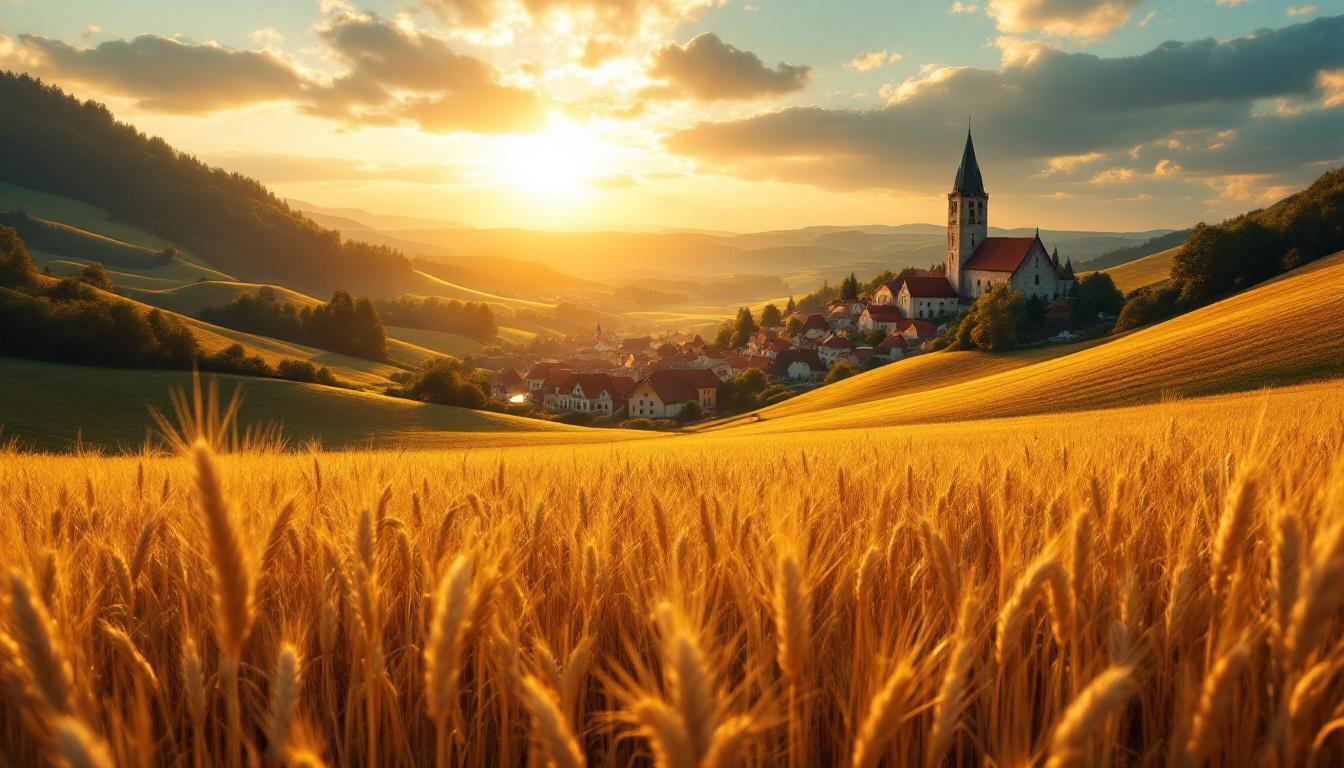
Haferland - The Land of Oats, a Dream Region in the Heart of Transylvania In the heart of Transylvania, between Brașov and Mureș, lies one of the most pict...