+40 749 680 770Monday - Sunday: 10:00 - 18:00

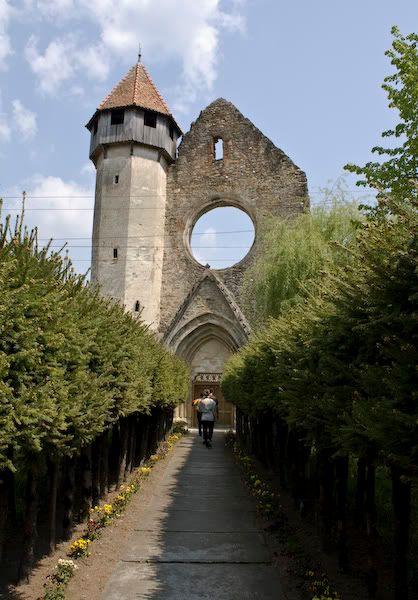
Documented since 1202, the Cistercian Monastery of Cârța is a monument of beauty rarely found in Romania. The story of this monastery is a truly beautiful one, beginning precisely in the year 1100.
At that time, the Cistercian Order established this monastery, initially building it from wood. Later, around 1230, they began the construction of the stone monastery. The construction of the monastery was severely affected by frequent invasions from the Mongols, and by 1241, the monastery was almost completely destroyed. The Cistercian Order rebuilt the monastery in Gothic style between 1250 and 1300.
The year 1474 marks another important point in the history of the Cârța monastery. King Matthias Corvinus decided to dissolve the abbey, and the monastery's assets were transferred to the city of Sibiu. In 1550, after the Saxons converted to Protestantism, the church was transformed into an evangelical one.
Today, the church can be visited by tourists. If you find no one around, you can request the keys from the family at house number 110, and the entrance fee is three lei.
Photo credit: Andrei Pop & Romania Libera
 History
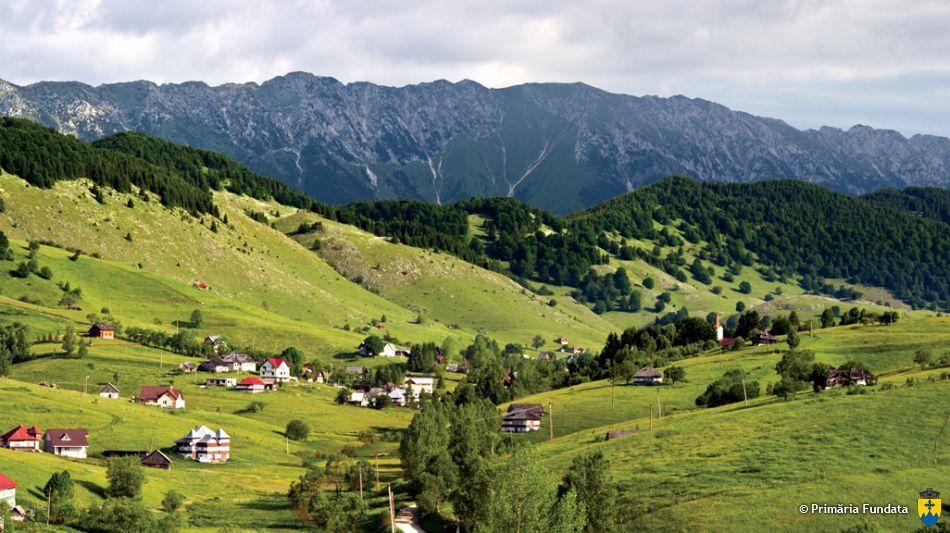
Brașov County is home to a collection of villages, each more breathtaking than the last. Today, we turn our attention to the village of Fundata, considered the seat of the Fundata commune, also located within Brașov County. With a population of 464...
 History
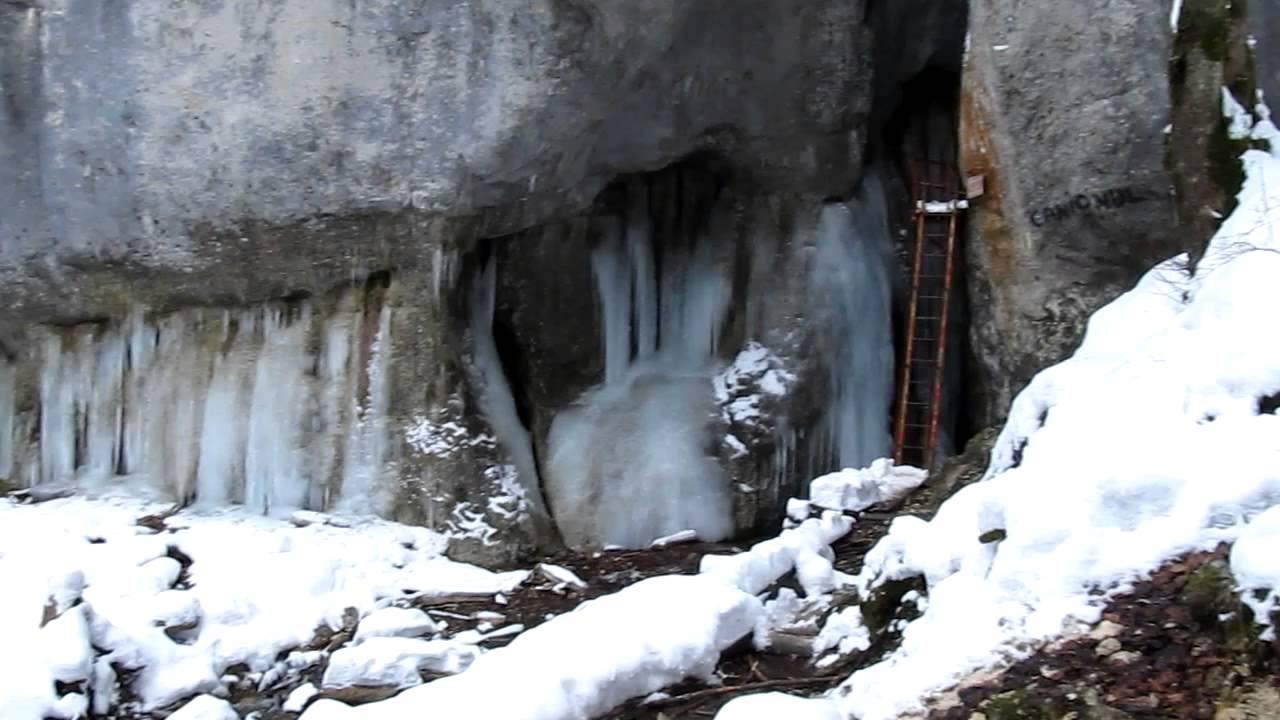
Located in Brașov County, the Seven Ladders Canyon is one of the most visited and enjoyable gorges in our country. With a length of over 150 meters at an altitude of 948 meters, this course is made up of Jurassic limestone originating from the...
 History
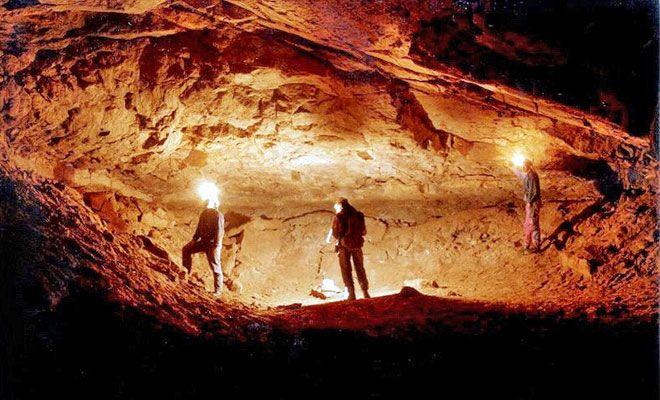
The Rodna Mountains in Bistrița-Năsăud County hide a series of joys and natural treasures. Located at an altitude of 950 meters, the Izvorul Tăușoarelor Cave holds a special place on this list. Since its discovery in 1955, the cave has remained...