+40 749 680 770Monday - Sunday: 10:00 - 18:00


Located in Brașov County, Râșnov Fortress is situated in the settlement of the same name. Believe it or not, this fortification is among the best-preserved structures of its kind, given that our country is well-known for its impressive number of castles and fortresses, most of which are unfortunately in the process of deterioration.
Râșnov Fortress was built in the 13th century. Initially, the Teutonic Knights (who made this construction possible) used only wood, but over time, especially in the 14th century, Râșnov Fortress began to be significantly improved. The reason is easy to understand – we are talking about the utility of the fortification, which often proved to be unyielding.
To make everything clearer, let’s detail the purposes for which the fortification was useful:
Although the individuals who built the fortification were the Teutonic Knights, in 1427 things changed significantly. Thus, for better or worse, Emperor Sigismund of Luxembourg decided, after a brief visit, that the fortification should be entrusted to the administration of the local community and that it should also be classified among those of the market town.
The town of Râșnov is just a part of this fortress. In reality, the fortification is located on a rather rocky hill, surrounded on both sides by a dense forest. The only access route is via stone-paved paths, a slightly challenging yet pleasant road, as the view will be worth any effort.
Additionally, the architecture is truly adapted to the steep terrain, as the fortress was, after all, a strategic aspect that many enemies took into account.
Râșnov Fortress is first documented in 1335 – however, there is no clear evidence to confirm that the fortification existed only from that year. Over time, its appearance has changed relatively, undergoing numerous modifications that, nonetheless, have preserved the original skeleton of the construction.
There are two courtyards:
With somewhat different access points – once you arrive there, you will notice that there is some walking to do to move from one point to another.
Currently, the fortress can be visited by tourists, as the restoration process has been in full swing in recent years.
 History
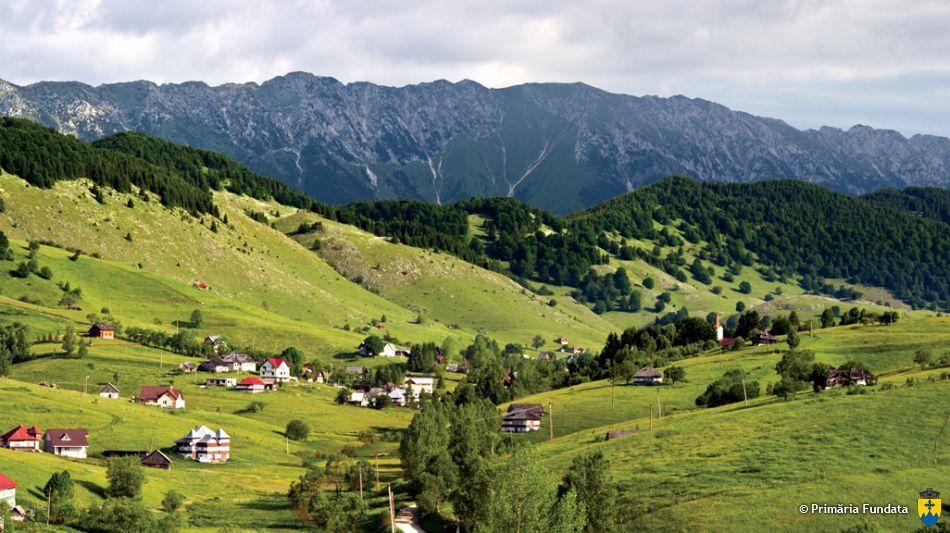
Brașov County is home to a collection of villages, each more breathtaking than the last. Today, we turn our attention to the village of Fundata, considered the seat of the Fundata commune, also located within Brașov County. With a population of 464...
 History
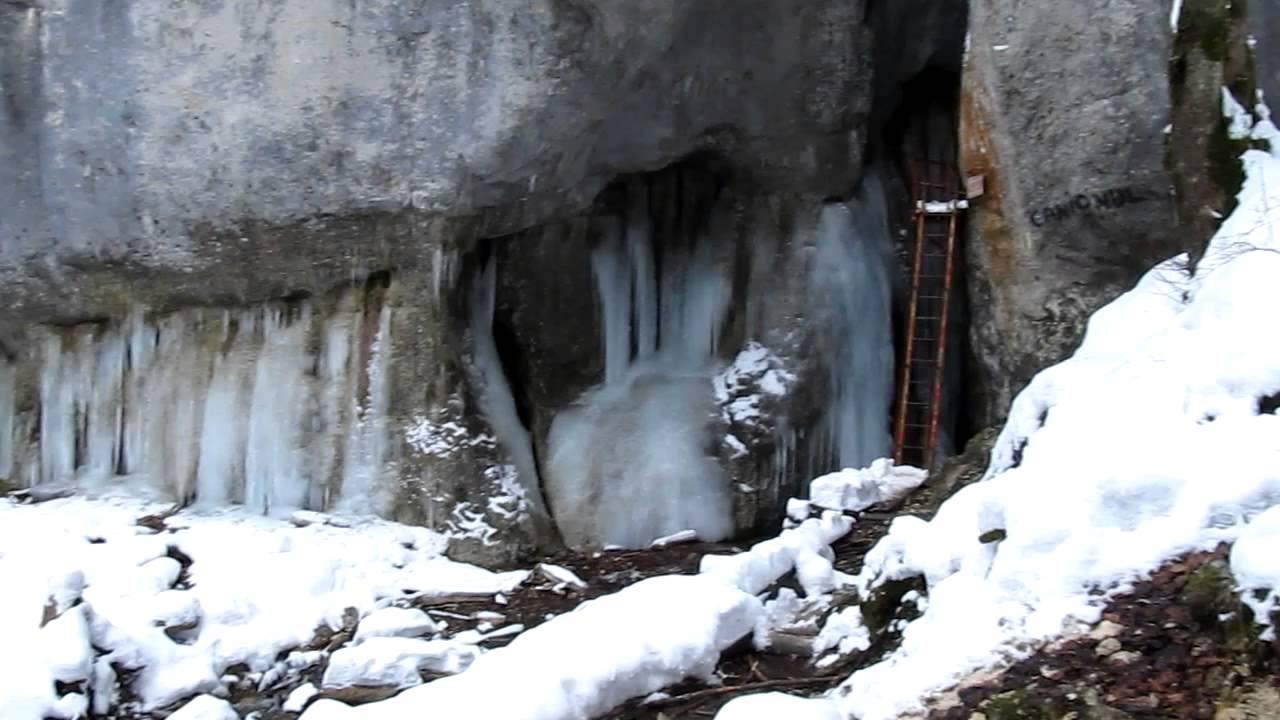
Located in Brașov County, the Seven Ladders Canyon is one of the most visited and enjoyable gorges in our country. With a length of over 150 meters at an altitude of 948 meters, this course is made up of Jurassic limestone originating from the...
 History
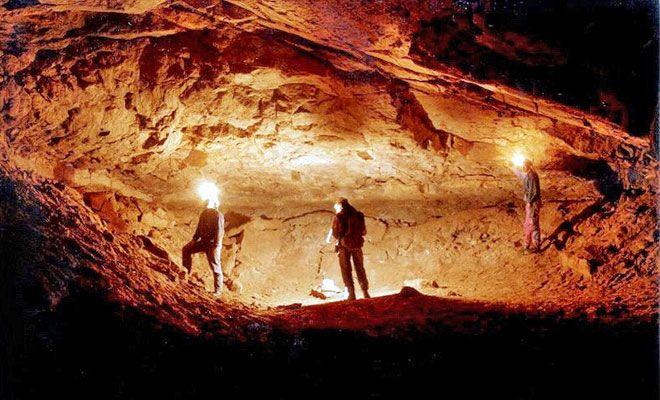
The Rodna Mountains in Bistrița-Năsăud County hide a series of joys and natural treasures. Located at an altitude of 950 meters, the Izvorul Tăușoarelor Cave holds a special place on this list. Since its discovery in 1955, the cave has remained...