+40 749 680 770Monday - Sunday: 10:00 - 18:00

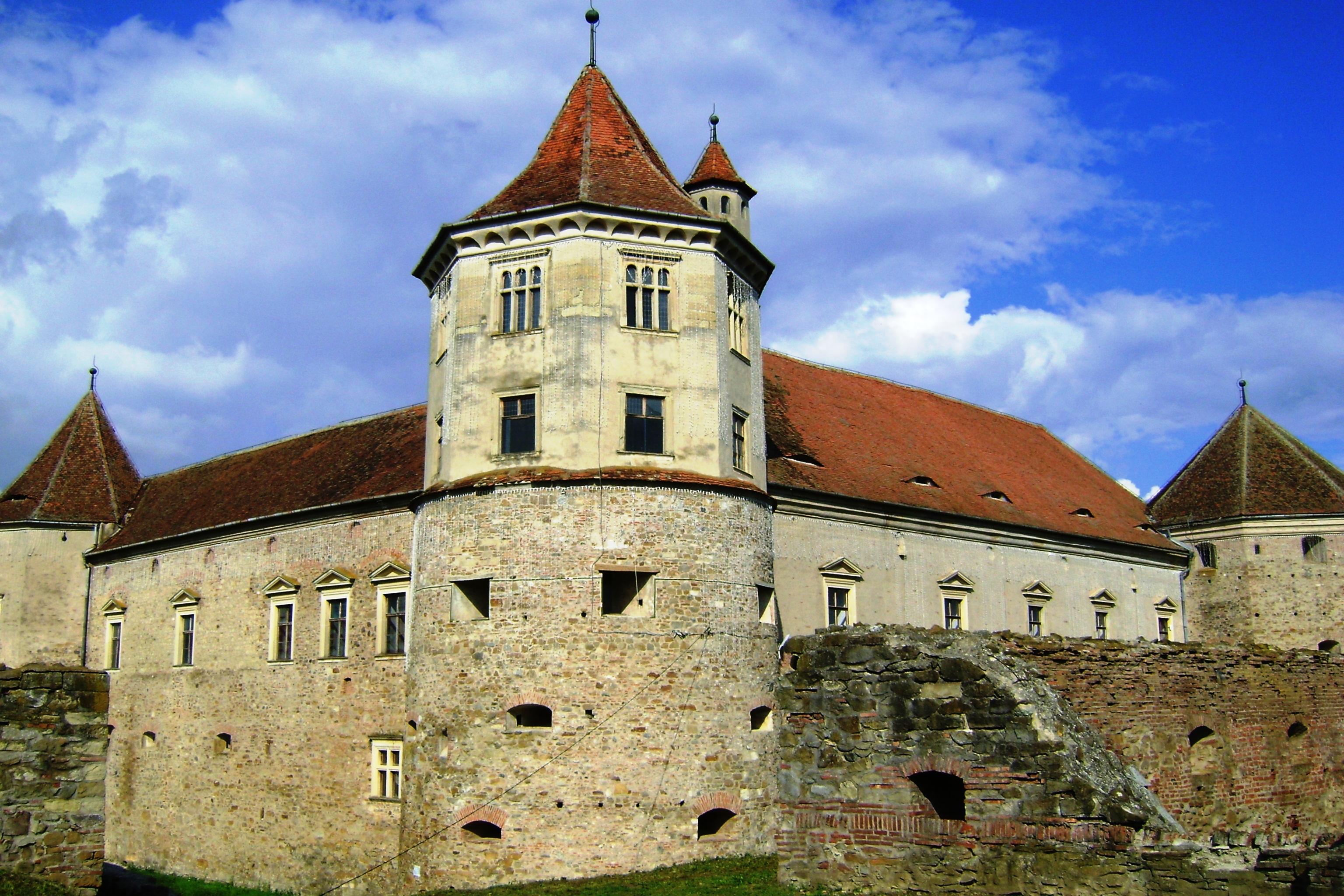
The construction of the fortress began in 1310, on the site of an older earth and wood fortification from the 12th century. The purpose of building the fortress was primarily strategic, specifically to defend the southeast of Transylvania from the incursions of the Tatars and Ottomans.
In 1526, Stefan Mailat, who became the voivode of Transylvania and was the son of a local nobleman, took possession of Făgăraș and the surrounding domains, initiating the transformation of the fortress into a true fortified citadel.
In 1541, the Ottomans led by Mustafa Pasha attacked the fortress. Mailat fell into a trap and was imprisoned in the dungeon of the Fortress of the Seven Towers (Edikule) in Constantinople, where he died ten years later.
In 1599, Michael the Brave occupied the fortress, gifted it to his wife, Doamna Stanca, along with the estate, and, becoming the prince of Transylvania, sheltered his family and royal treasure here a few years later.
In 1617, the last two levels of the southwest tower (donjon) were raised, also known as the Red Tower, which has five levels. During the 17th century, with brief interruptions, Făgăraș was a true capital of the principality of Transylvania, the fortress becoming the residence of the princes of Transylvania.
The Transylvanian Diet met here on 11 occasions. In 1630, the defensive wall surrounding the fortress was expanded and connected by a secret canal to the Olt River. A drawbridge was installed at the entrance. Later, the cellars were converted into dungeons where rebellious serfs were imprisoned.
After Transylvania came under Habsburg control in 1696, the Făgăraș Fortress was taken over by the Austrians and became a barracks starting in 1699, and later a military prison.
In 1721, Făgăraș became the seat of the Romanian Greek-Catholic Bishopric, with the bishop's residence located on the first floor of the southern wing of the castle. However, Bishop Ioan Giurgiu Patachi preferred to reside at the Brukenthal Castle in Sâmbăta de Jos, while Inocentiu Micu-Klein moved his episcopal residence, through a property exchange, from Făgăraș to Blaj in 1737.
In the following years (1965-1977), repair, restoration, and conservation work has been carried out.
Source: [Wikipedia](http://ro.wikipedia.org)
 Tourist areas
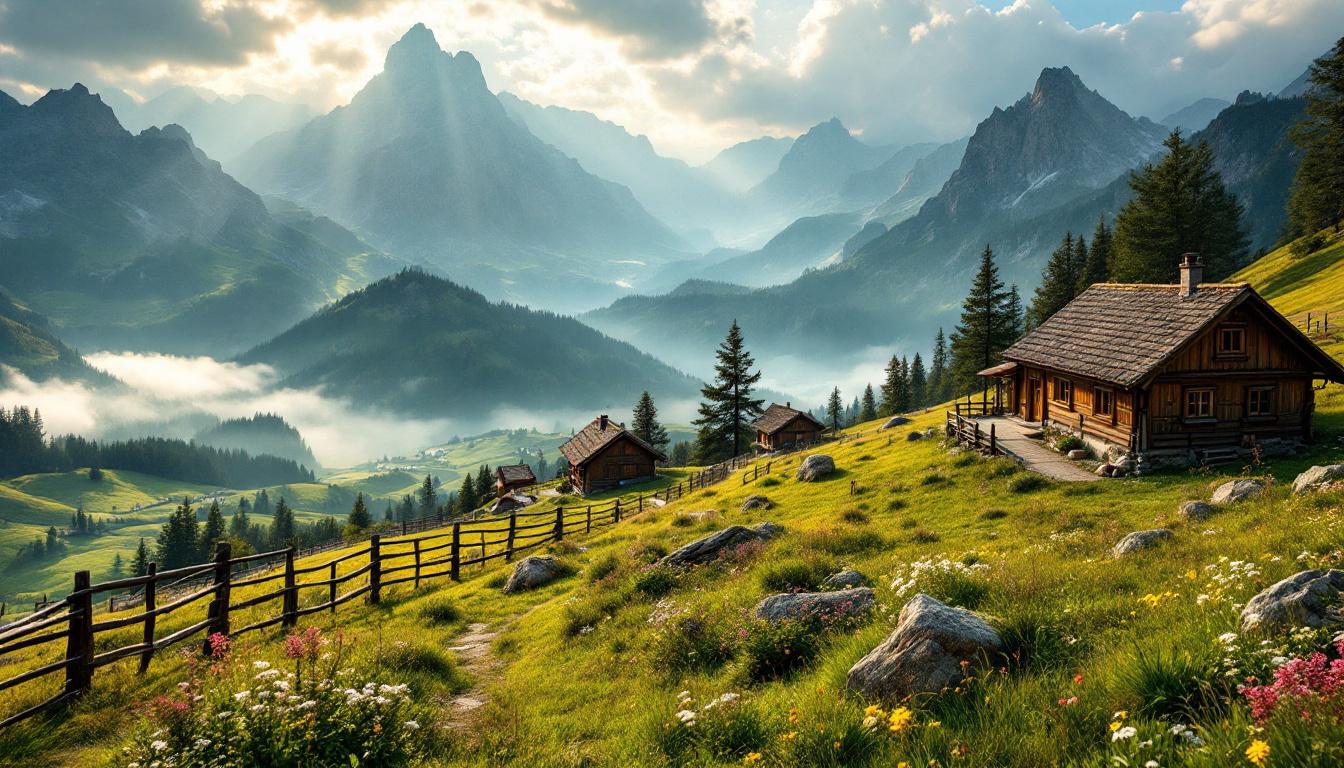
The Transylvania Amphitheater: A Dream Refuge in the Heart of the Carpathians In the village of Moieciu de Sus, Brașov County, there is a magical place whe...
 Tourist areas
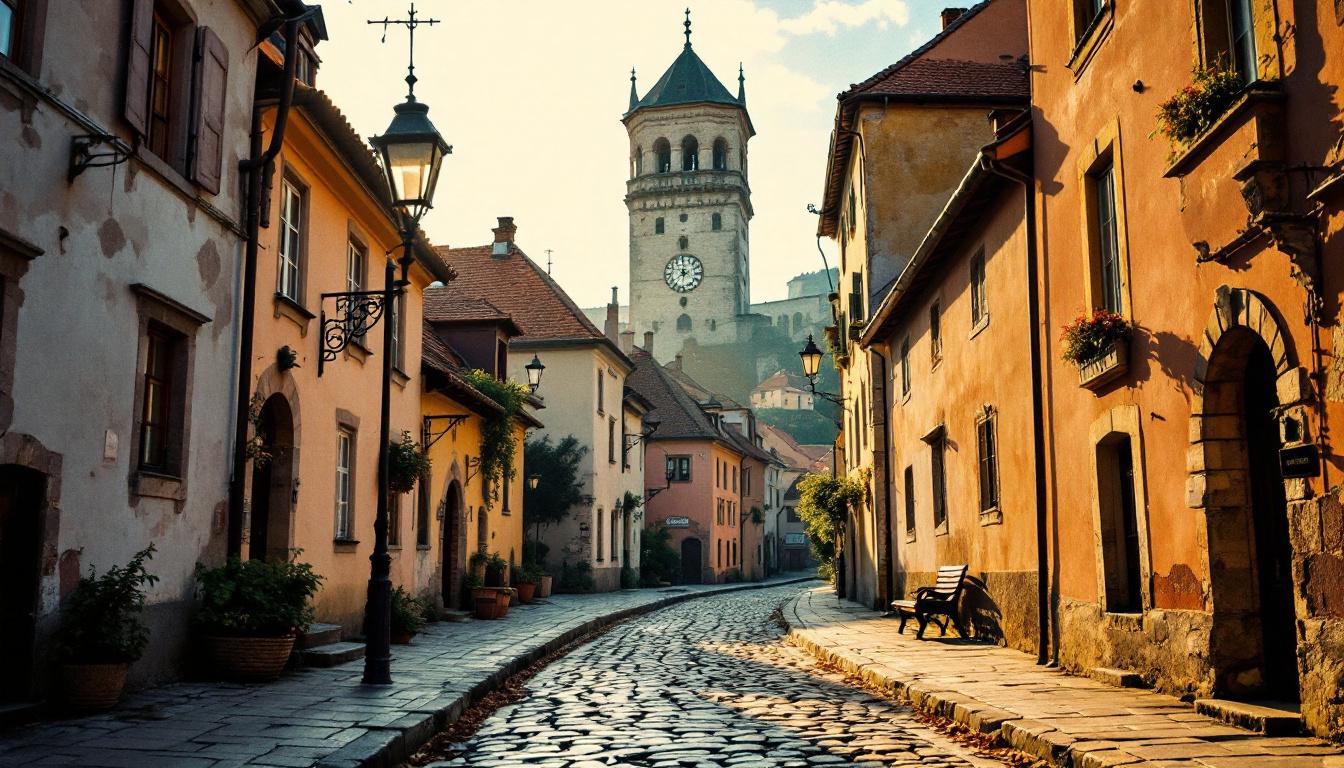
Sighisoara Citadel: A Treasure of History and Beauty in the Heart of Transylvania Sighisoara Citadel, located in Mures County, in the heart of historical T...
 Tourist areas
Haferland - The Land of Oats, a Dream Region in the Heart of Transylvania In the heart of Transylvania, between Brașov and Mureș, lies one of the most pict...