+40 749 680 770Monday - Sunday: 10:00 - 18:00

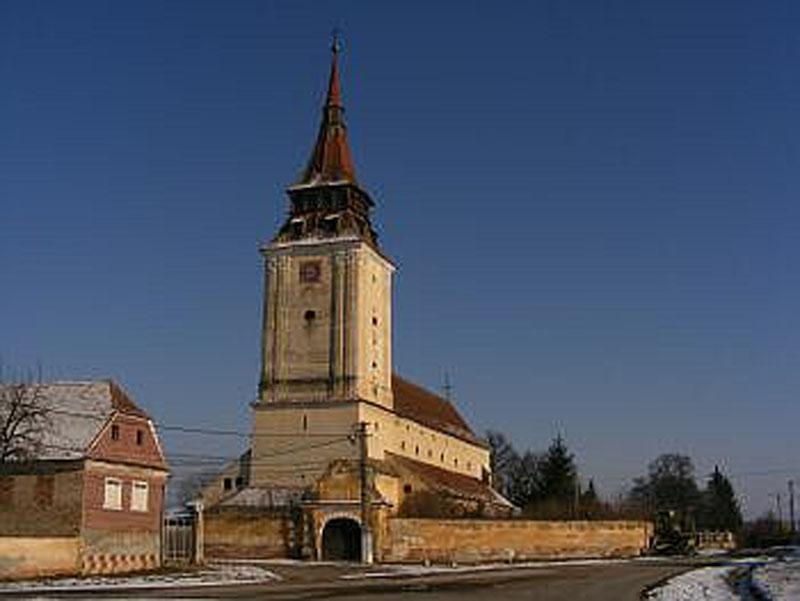
Brașov County is renowned for the large number of localities that, big and small, shape its beauty and make it one of the most sought-after regions to live in or simply to spend your holidays. One of these localities is Feldioara, a village that, in loose translation, is recognized as the *Earth Fortress* – of course, there is a well-explained reason for holding this name.
The village of Feldioara is nestled within the commune of the same name. Both are located, naturally, in the beautiful Brașov County, which is also part of Romania's Transylvanian region.
For a better localization of the village, we bring up several aspects – namely the historical region of Țara Bârsei, within which it is situated, just 500 meters above sea level. The loose translation of the village Feldioara, mentioned above, comes from Hungarian, while the German term refers to the fortress of Mary and, at the same time, to the Virgin Mary.
Nevertheless, the importance of Feldioara village is given by the Feldioara Fortress which, despite its bygone history, remains the most significant fortification established at the behest of the Teutonic Knights in Transylvania.
In order to set some spatial-temporal landmarks, a brief history can reveal what an entire book would take away from our time. Thus, the locality of Feldioara was first documented in 1240, at which time it bore the name *Castrum Sancte Maria*. In the following years, these names changed:
The Teutonic fortress was surrounded on three sides by the Homorod River. Unfortunately, over time, due to the Battle of Feldioara and the imprint left by time on the locality, the Teutonic fortress now only retains a remnant of a wall – and nothing more.
On the other hand, the peasant fortress is the only one that still preserves traces and evidence of the existence of the Teutonic Knights in these lands. Furthermore, regarding the Battle of Feldioara, the Moldavian army triumphed over the partisans belonging to Ferdinand of Habsburg.
Today, Feldioara bases its economy on agriculture and industry. Additionally, uranium is processed here, and tourism, we can say, is another pillar that economically supports the locality.
Thus, the following attractions draw tourists eager to see the fortifications that date back hundreds of years:
 History
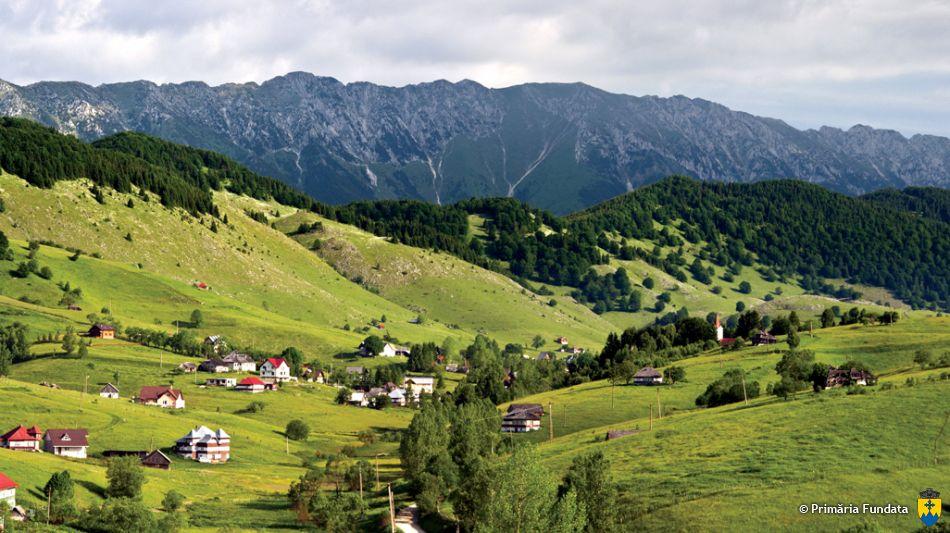
Brașov County is home to a collection of villages, each more breathtaking than the last. Today, we turn our attention to the village of Fundata, considered the seat of the Fundata commune, also located within Brașov County. With a population of 464...
 History
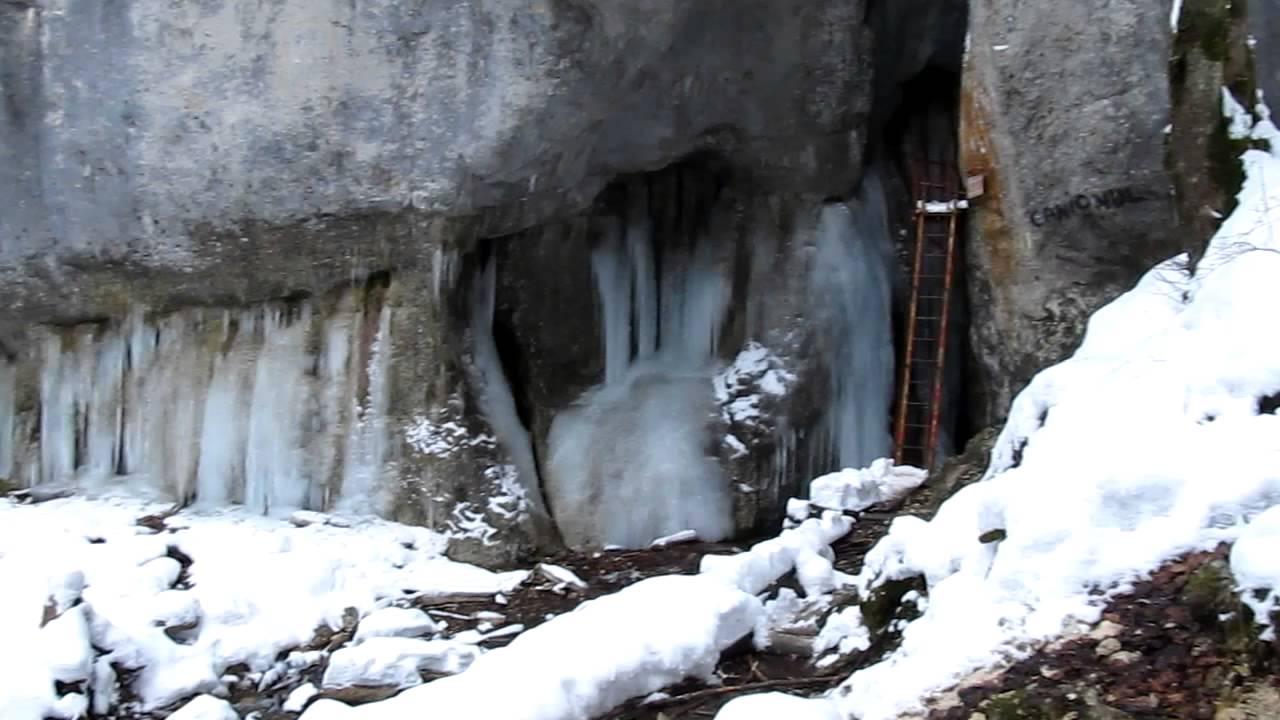
Located in Brașov County, the Seven Ladders Canyon is one of the most visited and enjoyable gorges in our country. With a length of over 150 meters at an altitude of 948 meters, this course is made up of Jurassic limestone originating from the...
 History
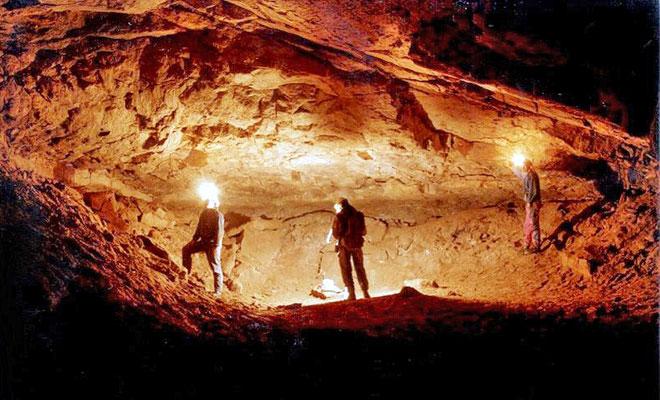
The Rodna Mountains in Bistrița-Năsăud County hide a series of joys and natural treasures. Located at an altitude of 950 meters, the Izvorul Tăușoarelor Cave holds a special place on this list. Since its discovery in 1955, the cave has remained...