+40 749 680 770Monday - Sunday: 10:00 - 18:00

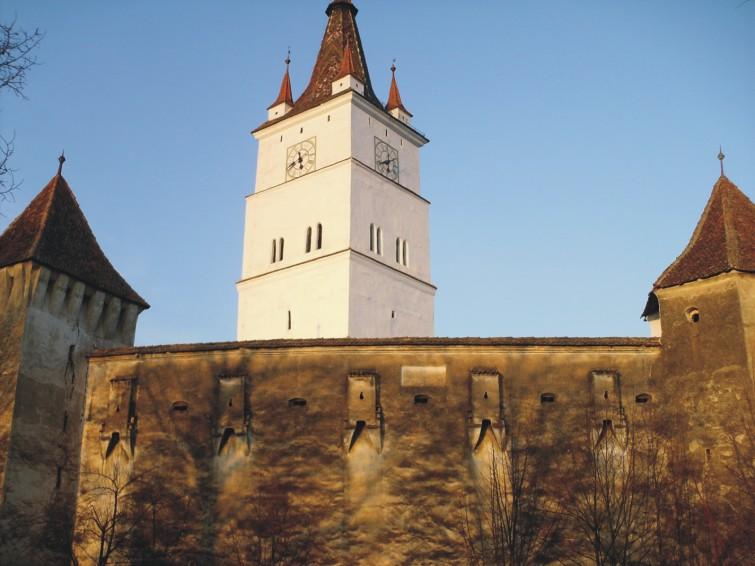
Just eight kilometers from Brașov, in the village of Hărman, lies one of the most remarkable fortified castles in Transylvania. The Hărman Fortress, or *Hönigberg (Mountain of Honey), as the village is called in German, was a true pride for the Saxons* in this area after it was built.
Like many other castles in Transylvania, the foundations of the fortress are linked to the Order of the Teutonic Knights. Thus, the first documentary mention of the village dates back to March 21, 1240, and it was at that time that the fortified church was also constructed.
The fortification itself is somewhat newer, having been built only in the 15th century. It consists of:
During the times of Turkish invasions, water was poured between two of the defensive walls.
Today, the castle operates as a museum and is included in the UNESCO heritage list. Alongside the fortress in Prejmer, the two fortifications are visited annually by thousands of tourists from all over the world.
 History
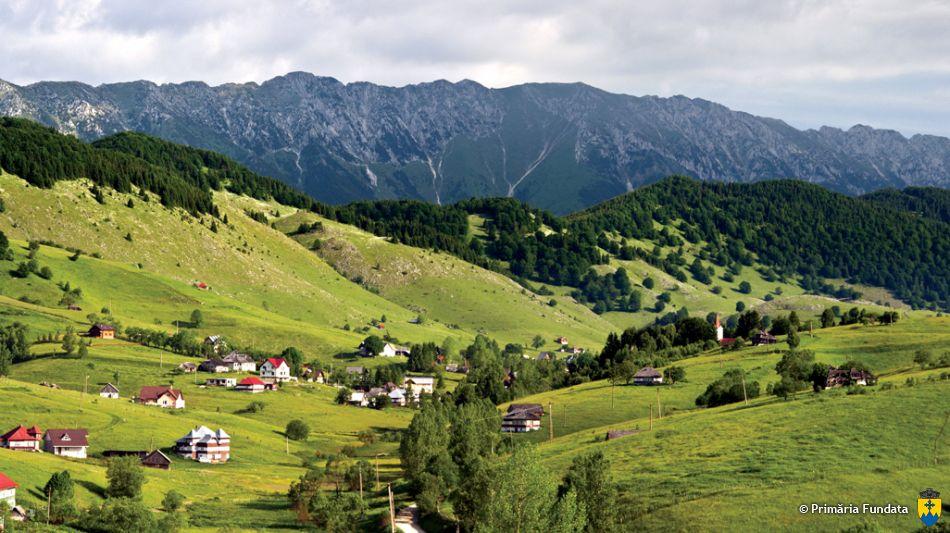
Brașov County is home to a collection of villages, each more breathtaking than the last. Today, we turn our attention to the village of Fundata, considered the seat of the Fundata commune, also located within Brașov County. With a population of 464...
 History
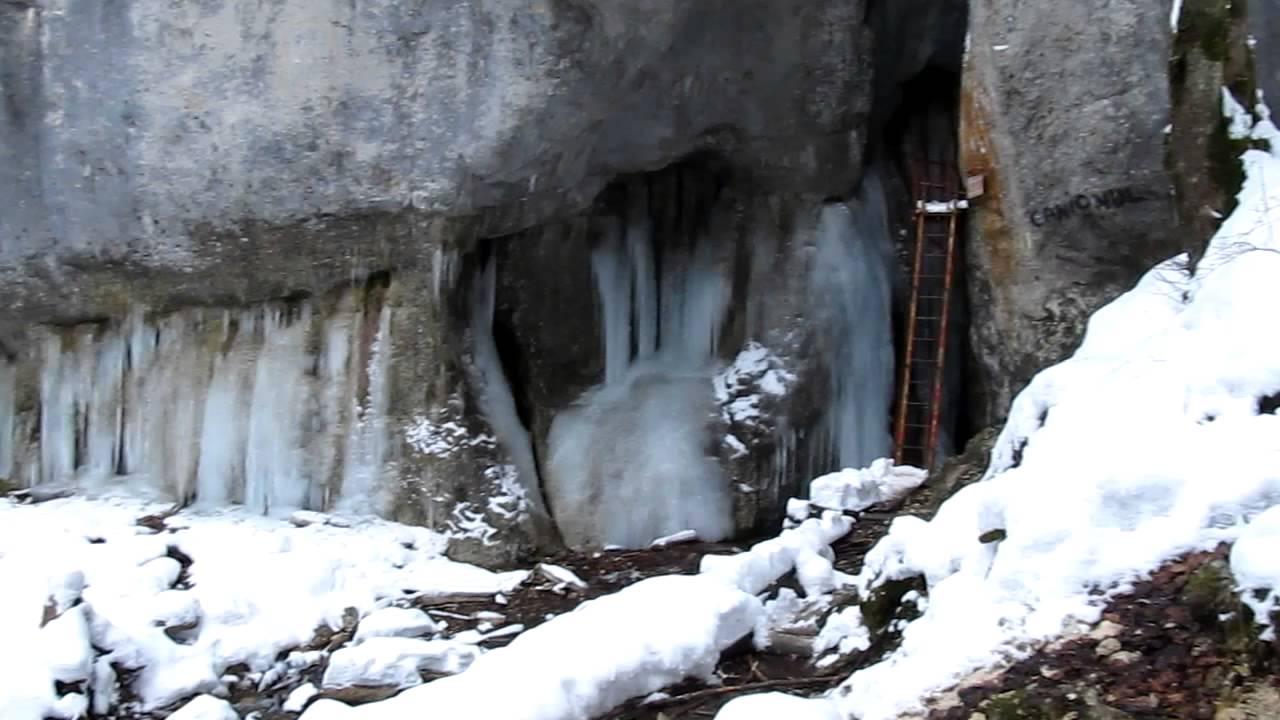
Located in Brașov County, the Seven Ladders Canyon is one of the most visited and enjoyable gorges in our country. With a length of over 150 meters at an altitude of 948 meters, this course is made up of Jurassic limestone originating from the...
 History
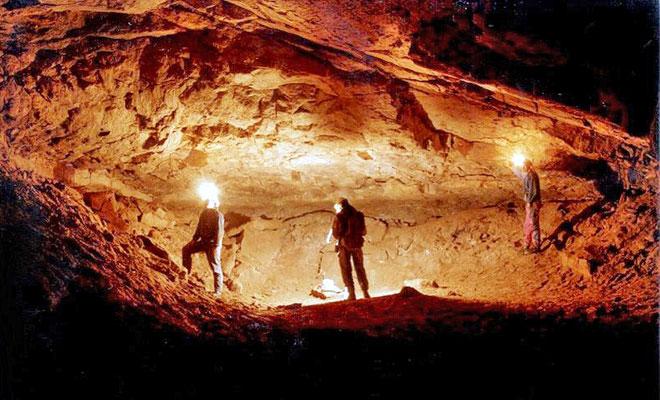
The Rodna Mountains in Bistrița-Năsăud County hide a series of joys and natural treasures. Located at an altitude of 950 meters, the Izvorul Tăușoarelor Cave holds a special place on this list. Since its discovery in 1955, the cave has remained...