+40 749 680 770Monday - Sunday: 10:00 - 18:00

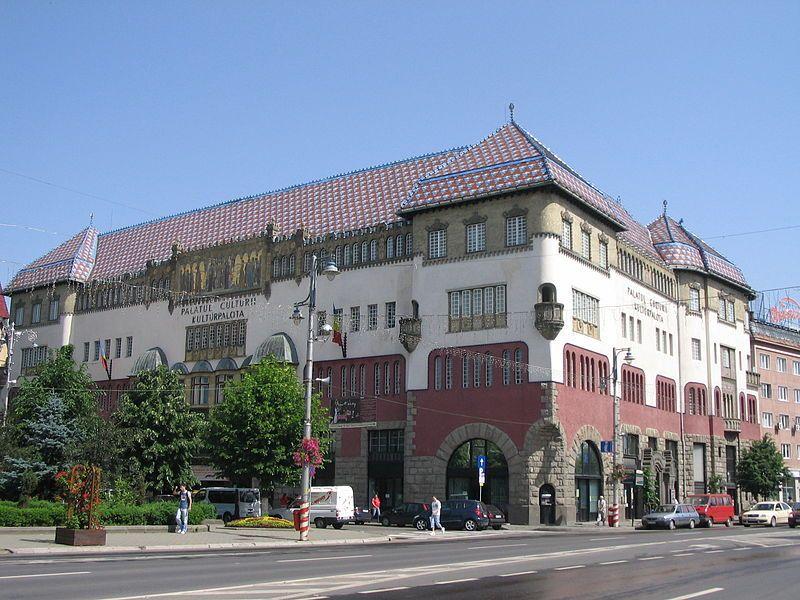
Târgu Mureș is one of the cities with the greatest cultural diversity in Romania. From a geospatial perspective, its relatively central location has been subject to numerous influences that, over time, have left many points of interest found in our country.
Located at 2 Enescu Street, the Palace of Culture in Târgu Mureș was completed in 1913, two years after the construction began. At that time, the cost of the fortification reached 581,603 crowns, which resulted in a stunning Secession style, making the building a representative landmark of Transylvania today.
The Palace of Culture in Târgu Mureș was built at the insistence of former mayor György Bernády, whose vision and desire are evident both in the exterior of the fortification and its interior. The reason cited by the mayor for constructing the Palace focused on the need to modernize the entire city, as this was also one of the objectives of the Free Royal City Council. Once approval and funding were secured, the architects Marcell Komor and Dezső Jakab were tasked with realizing the projects for the future building.
Aesthetically, the Palace of Culture in Târgu Mureș features:
Upon entering, one discovers the beautiful and immaculate Mirror Hall, which boasts two groups of three crystal mirrors. Additionally, there are 12 stained glass windows in vibrant colors, each covering an entire wall. Due to their popularity, these stained glass windows were proposed for the decorative art exhibition in San Francisco in 1914, representing Europe.
For security reasons, during World War II, these stained glass windows were hidden in the building's basement to prevent them from being destroyed, stolen, or lost.
On the other hand, the façade of the Palace of Culture in Târgu Mureș features an allegorical mosaic, entirely composed by Aladár Kriesch. According to his vision, the mosaic pieces represent a part of the personalities of Târgu Mureș, alongside other merchants, traders, dignitaries, and soldiers.
Another highly renowned room is the Great Hall, a place of complete solemnity that spans all three floors of the fortification. The entire ground floor features walls with sculpted oak paneling, reaching exorbitant heights. All the boxes in the Great Hall are beautifully draped in silk, while the balconies on the second and third floors add an extra touch of grandeur to the entire Palace of Culture in Târgu Mureș.
 Tourist areas
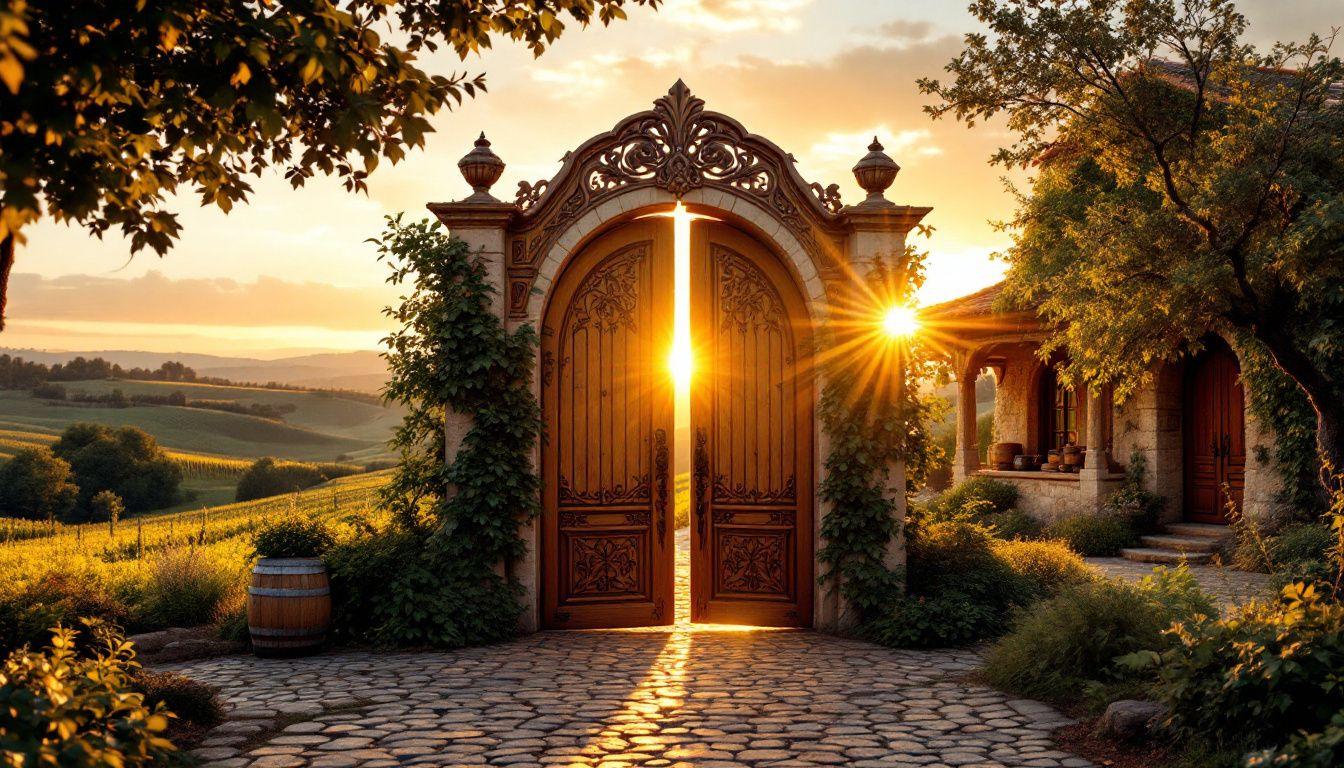
The Sântu Cellar and the Gate of the Soul: An Authentic Wine Destination in the Heart of Transylvania Transylvania, a region known for its natural beauty a...
 Tourist areas
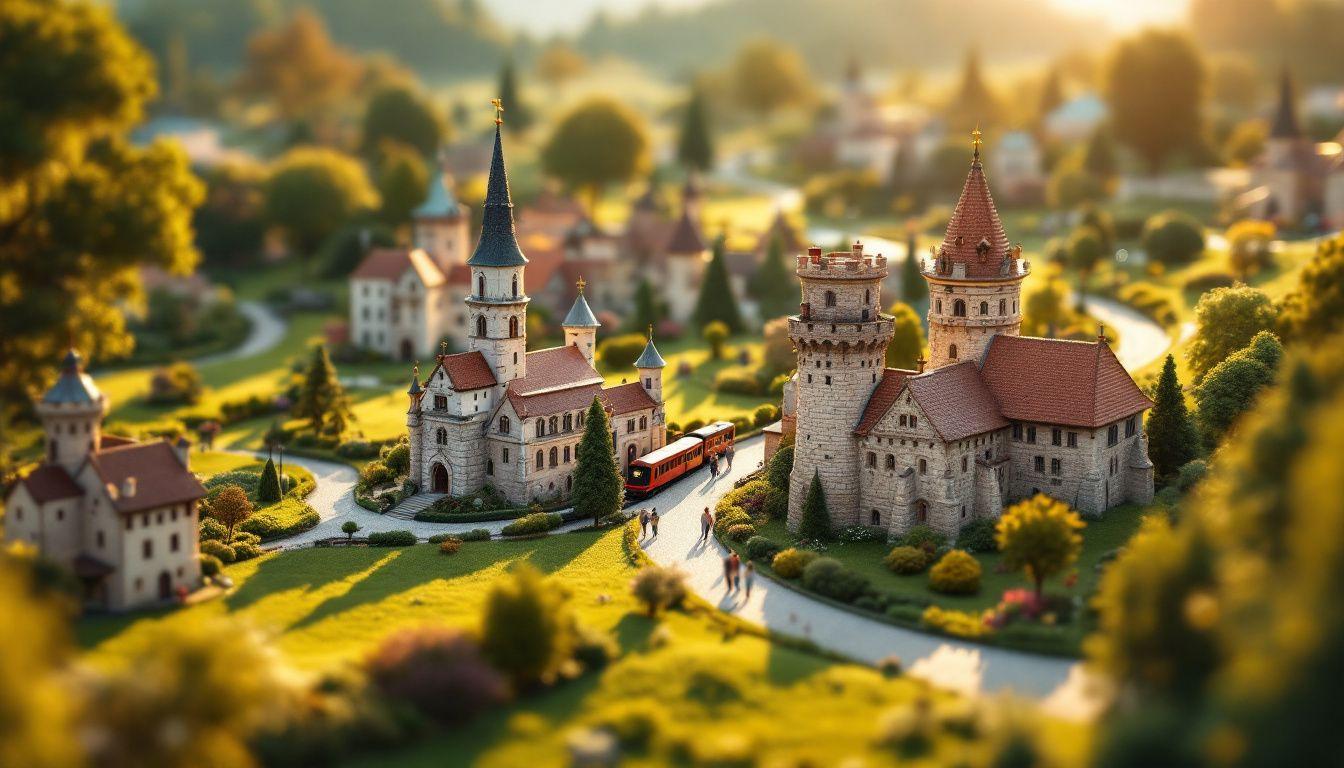
Mini Transylvania Park: A Paradise of Architectural Miniatures in the Heart of Transylvania In the heart of Transylvania, in the Băile Seiche area of Hargh...
 Tourist areas
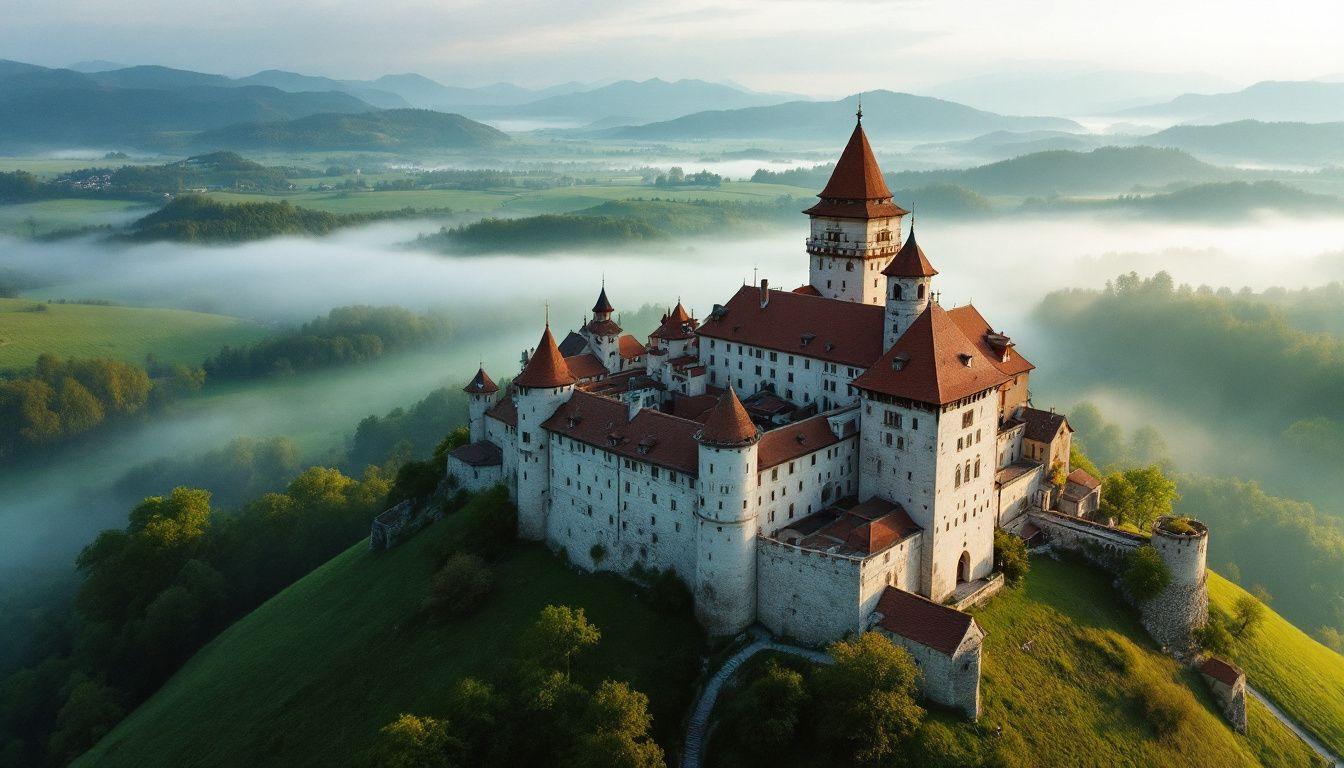
Feldioara Fortress - Marienburg: A Medieval Fortress in the Heart of Transylvania Located in Feldioara, Brașov County, approximately 20 kilometers north of...