+40 749 680 770Monday - Sunday: 10:00 - 18:00

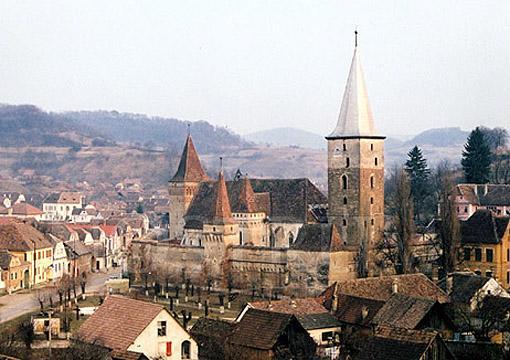
Archaeological excavations over time have brought material evidence of habitation in the territory of the village since the Neolithic and Eneolithic periods. Thus, in a place called *La Rapa, a prehistoric settlement was discovered with materials belonging to the Petrești culture. In the boundaries of the village, at Via lui Rampelt, materials belonging to the Coțofeni culture* were found, while from another location, bronze and medieval iron sickles were uncovered.
On Drumul Cetății, a necropolis from the second Iron Age is noted, containing fragments of pottery, a Celtic cup, and a sword. Within the medieval fortification, ceramic materials with traces of burning from the Iron Age and pottery from the 6th century were found. In the 14th century, a three-nave Gothic basilica was built, dedicated to *St. Mary*.
In 1485, the church was almost entirely rebuilt, with only the outer walls of the old basilica preserved, while the interior was transformed into a hall church. In 1780, during repairs to the sacristy of the Lutheran church, a monetary treasure consisting of 380 Roman coins was discovered, the oldest dating from the time of Emperor Nero and the most recent from the period of Severus Alexander.
The oldest document referring to the Saxon localities in the Târnavelor area, dated 1283, mentions the name of the priest from *Moșna (Petrus). Moșna was an exceptionally prosperous commune and until 1533, it competed with Mediaș and Biertan to become the seat of the chair, a title ultimately obtained by Mediaș*.
 Festivals
Exile and homeland – in Ovid's footsteps through Romania (from Transylvania to the Black Sea) (Guided individual trip with minibus/HP) Contact person: Ladislau Ciocan / Dr. Heike Lammers-Harlander Travel companion: Ladislau Ciocan / Dr. Heike...
 History
Hunedoara County is a truly impressive and marvelous area. Being quite large in size, it encompasses several municipalities, including Deva – which, moreover, is considered the county's capital. The county is made up of Deva, Sântuhalm, and the...
 Adventure
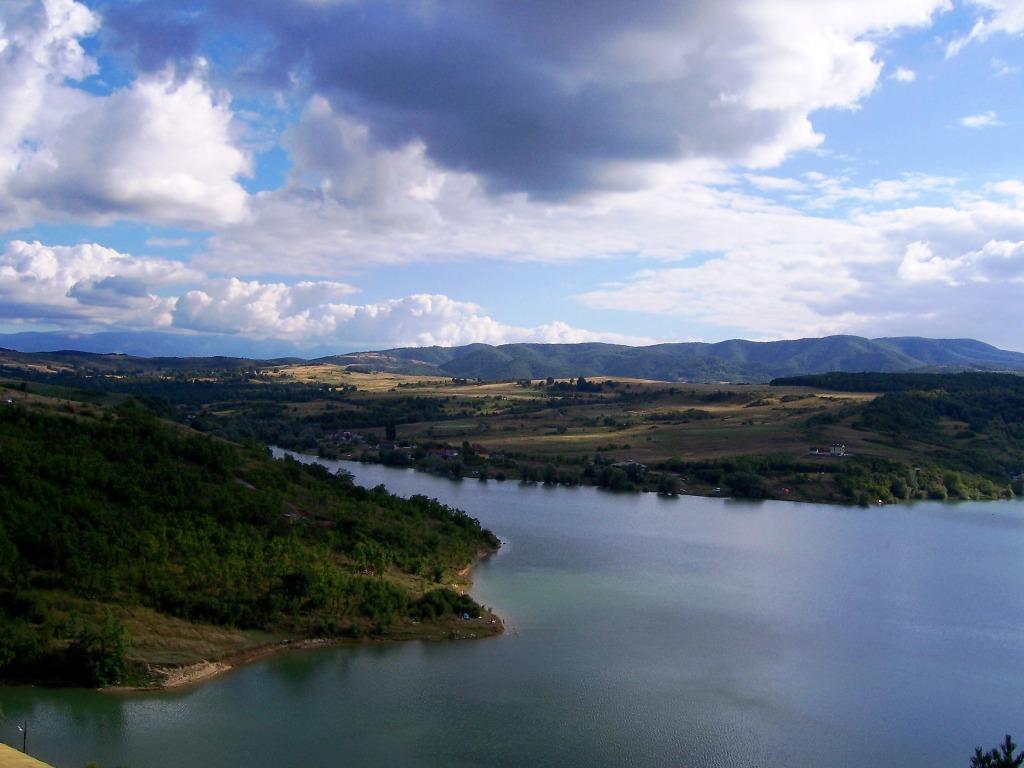
In 1964, the commune of Teliciu Inferior was documented by the State Council. This settlement holds vital importance for the entire Hunedoara County, as well as for the village of Cinciș. We will see later why. The area around the village of Cinciș...