+40 749 680 770Monday - Sunday: 10:00 - 18:00

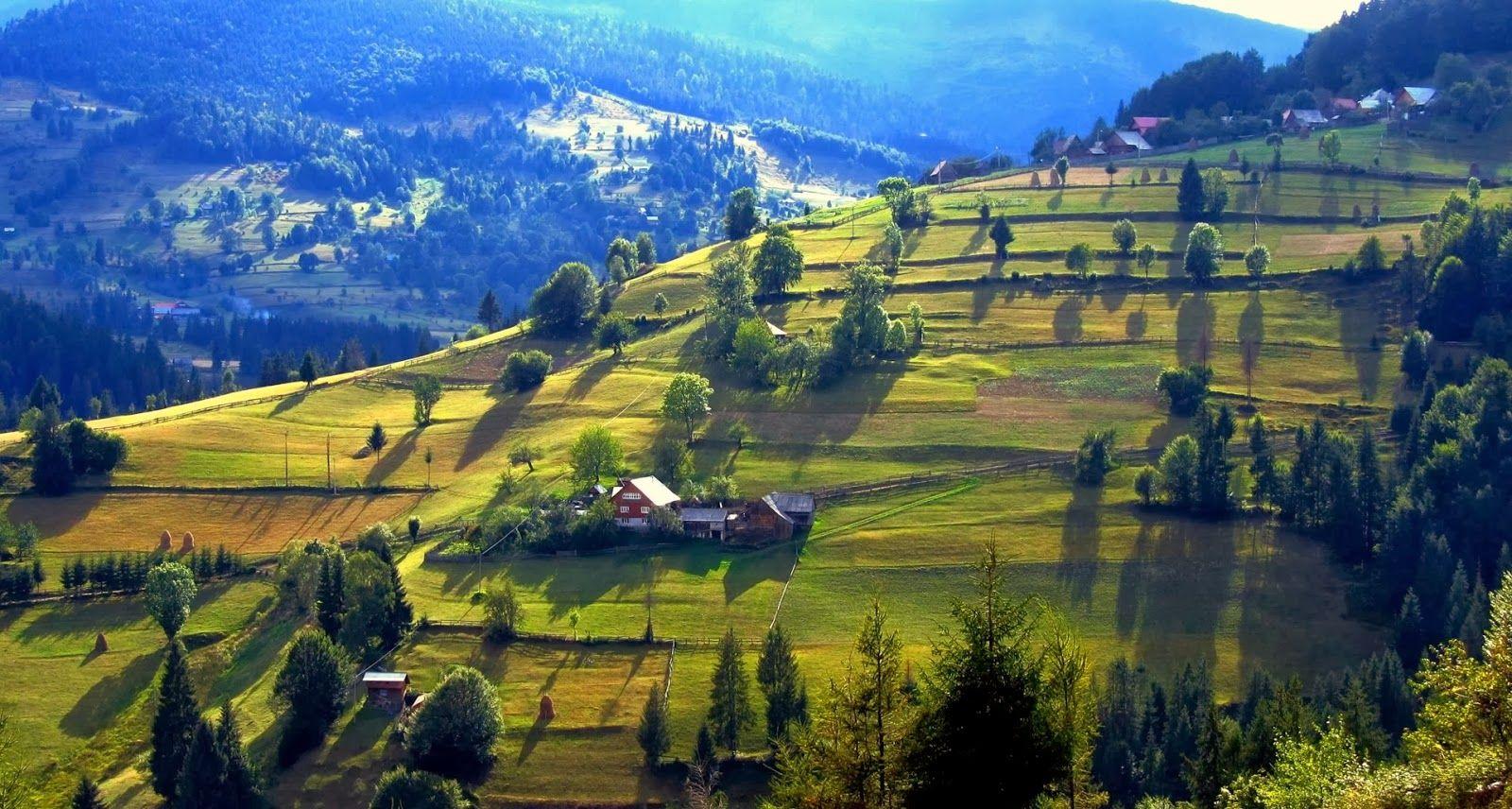
The relief of our country is the equivalent of complete balance – an oasis of tranquility and joy for the eyes of onlookers. This balance includes the Apuseni Mountains, young mountains formed from a mix of rocks and limestone, which is why there is a high number of caves in this region.
Geospatially, the Apuseni Mountains are located in the southeast of the country, forming part of the Carpathian Chain within Romania. More precisely, they are found in Transylvania, with the cornerstone being the Bihor Peak (a proud representative, with an altitude of up to 1849 meters). Colloquially, it is also known as *Curcubăta Mare*.
The Apuseni Mountains are divided into four mountain divisions, among which we mention:
From a hydrographic perspective, the Apuseni Mountains are no exception – in this category, we mention the series of rivers that flow nearby. In this regard, we outline:
The aspect of real interest that distinguishes the Apuseni Mountains is their population – despite the low density and the apparent trend of decline, the Apuseni remain the most populated. Throughout Romania, there is no area with a greater number of people living in a mountainous region.
If you are planning a weekend or a holiday in the Apuseni Mountains, remember three words: go visit – a series of tourist attractions that you must not miss, under any circumstances! The wonders of nature, such as the Iadolina, Evantai, and Moara Dracului waterfalls, as well as the Ponorului and Radesei fortresses, will make you, on one hand, venture into nature and through nature, and on the other hand, delight your eyes with the beauty of our country’s relief – which, in reality, is hard to find anywhere else in the world.
If you are tempted, you can even visit the peak of Bihor, right at the top – with a bit of physical condition, some friends by your side, and plenty of good cheer, both your mind and body will feel the joy and indulgence!
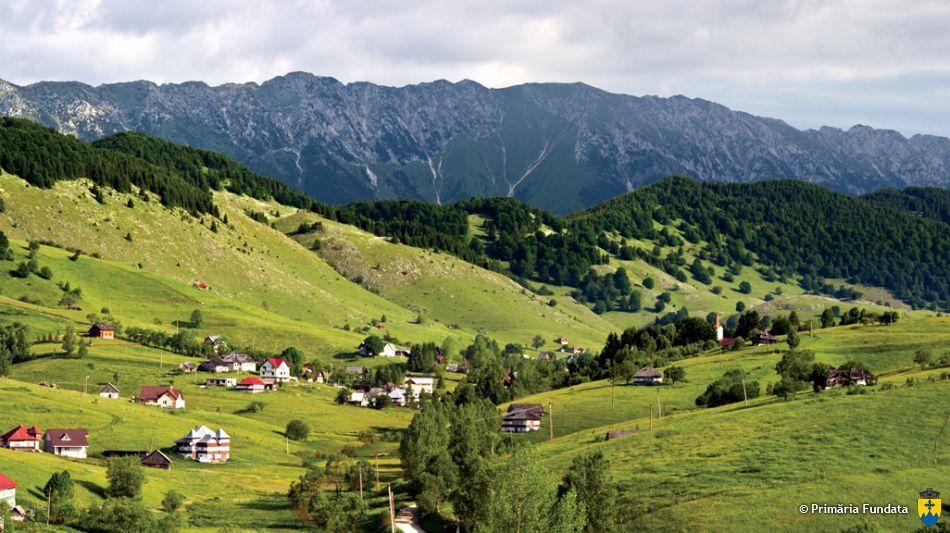 Festivals
Exile and homeland – in Ovid's footsteps through Romania (from Transylvania to the Black Sea) (Guided individual trip with minibus/HP) Contact person: Ladislau Ciocan / Dr. Heike Lammers-Harlander Travel companion: Ladislau Ciocan / Dr. Heike...
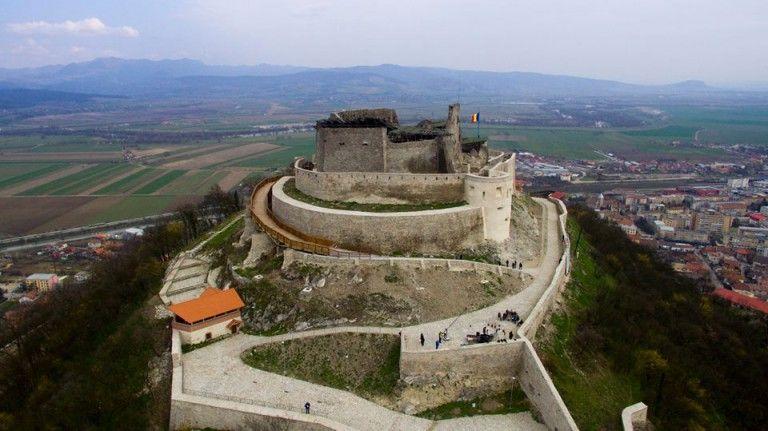 History
Hunedoara County is a truly impressive and marvelous area. Being quite large in size, it encompasses several municipalities, including Deva – which, moreover, is considered the county's capital. The county is made up of Deva, Sântuhalm, and the...
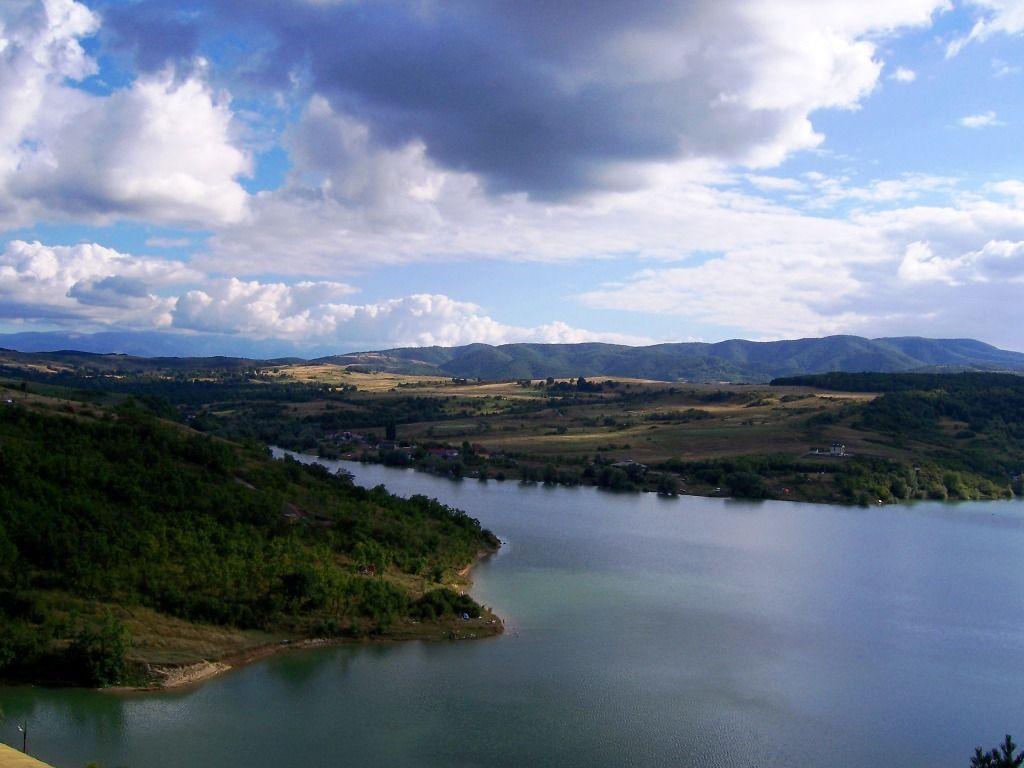 Adventure
In 1964, the commune of Teliciu Inferior was documented by the State Council. This settlement holds vital importance for the entire Hunedoara County, as well as for the village of Cinciș. We will see later why. The area around the village of Cinciș...