Peleș Castle: A Royal Residence
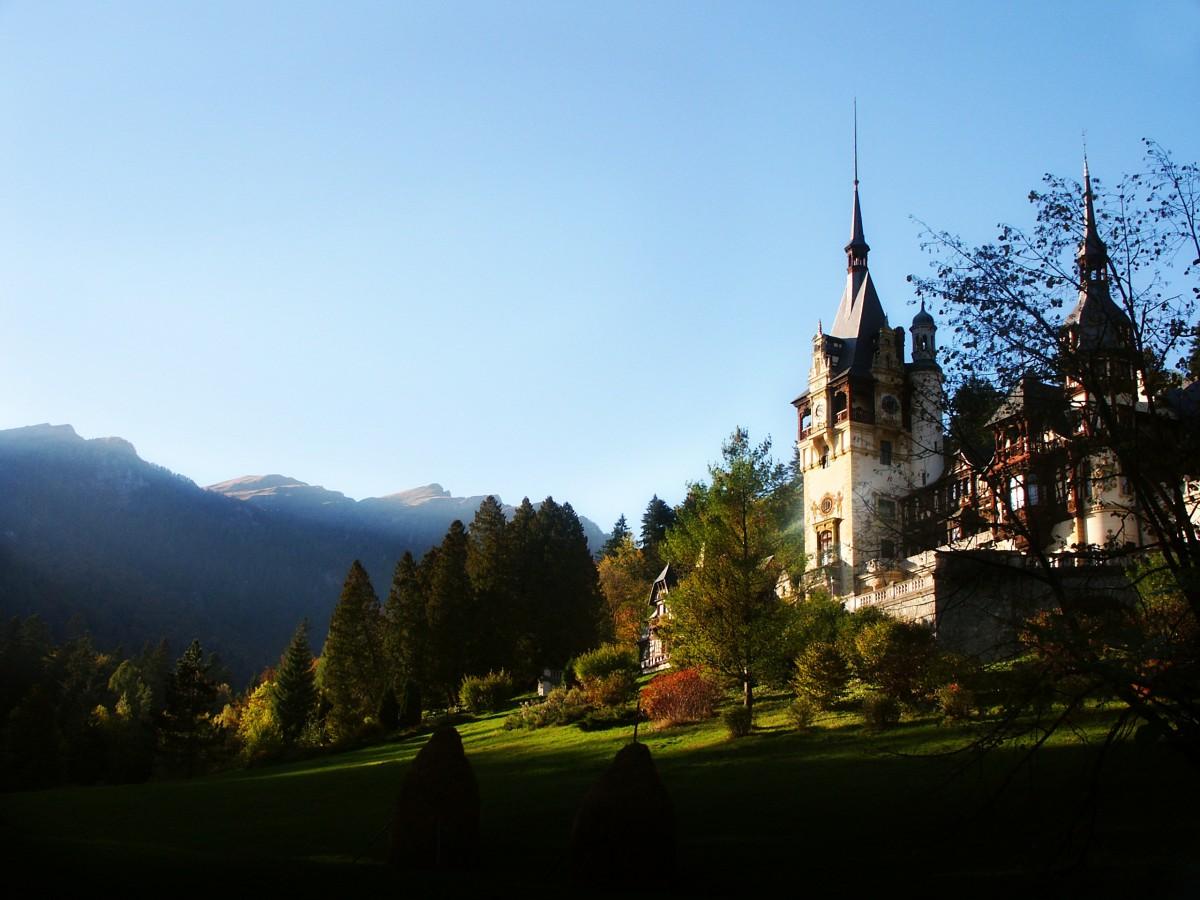
Peleș Castle, the summer residence of King Carol I, was built between 1873 and 1914 and inaugurated in 1883. The castle was seen as a "headquarters" of the new dynasty, becoming the summer residence of the Romanian royal family, who spent quite a lot of time here.
Location and Historical Significance
This is located in Sinaia and is considered one of the most beautiful castles in Romania and Europe. Its location is not coincidental. At that time, not far away, in Predeal, was the border of Romania with Austro-Hungary. However, after the unification of Transylvania with the Old Kingdom, Peleș Castle would find itself right in the heart of the country. Important political meetings took place here, such as the Crown Councils of 1914 and 1925.
Architectural Features
Peleș Castle was built at the request of King Carol I and was decorated by the famous creators:
- J. D. Heymann from Hamburg
- August Bembé from Mainz
- Bernhard Ludwig from Vienna
Peleș Castle has 160 rooms and several entrances and interior staircases. The central tower measures no less than 66 meters in height.
Modifications and Additional Buildings
Shortly after its inauguration in 1883, the castle underwent modifications. In addition to the actual Peleș Castle, two smaller buildings were erected:
- Pelișor - served as the summer residence of the royal couple Ferdinand and Maria. It was decorated by none other than Queen Maria herself.
- Foisor
Peleș Castle will remain the royal residence until 1948 when it is confiscated by the communist regime. In 2007, Peleș Castle was returned to King Michael I of Romania.
Collections at Peleș Castle
Peleș Castle boasts impressive collections:
The Glass Collection
- Includes over 1500 pieces of German, Italian, Austrian, and French origin, as well as Bohemian or English crystal vessels, made in the second half of the 19th century and the beginning of the 20th century.
The Collection of Silverware and Common Metal
- Composed of approximately 5,500 pieces and includes items of exceptional artistic and documentary value. The pieces belonged to the kings and queens of Romania, other members of the Romanian royal family, and contemporary personalities.
The Watch Collection
- Consists of over 50 pieces, varying in type and style, covering a wide range of designs. The timepieces date from the 18th to the 20th centuries, with most originating from the late 19th century. The majority of the pieces were acquired by King Carol I of Romania, known for his punctuality. The collection also includes clocks belonging to Queen Marie, King Carol II, and a clock received by King Michael.
The Textile Collection
- Includes approximately 300 oriental rugs, crafted in renowned centers and named according to the various regions and workshops where they are knotted, as well as a collection of tapestries made in famous centers across Europe (France, Belgium, Italy).
The Ceramic Collection
- Composed of over 5,000 pieces (ceramic tiles, wall tiles, porcelain).
The Stained Glass Collection
- Features 800 stained glass windows, distinguished by their original method of depicting religious scenes. These were either acquired from the ancient Roman Empire of Germanic descent or manufactured between 1881 and 1883 by the F. X. Zettler company in Munich, commissioned specially by King Carol I.
Museum Status and Visitor Information
The castle was declared a museum in 1953 and is the most visited museum in Romania. Annually, over three hundred thousand tourists pass through its doors. The most important rooms to visit include:
- The Honor Hall
- The Royal Library
- The Armory
- The Music Room
- The Florentine Room
- The Moorish Room
- The Theatre Room
- The Concert Hall
- The Imperial Apartment
- The Council Room
- The Study
- The Dining Room
- The Turkish Salon
- The Royal Bedroom
You can find the visiting schedule for Peleș Castle [here](#).
Source: wikipedia.com
relatedPosts
FestivalsExile and homeland – on Ovid's footsteps through Romania (from Transylvania to the Black Sea)
Exile and homeland – in Ovid's footsteps through Romania (from Transylvania to the Black Sea) (Guided individual trip with minibus/HP) Contact person: Ladislau Ciocan / Dr. Heike Lammers-Harlander Travel companion: Ladislau Ciocan / Dr. Heike...
Tourist areasCiceu Fortress
A new element of breathtaking beauty in Bistrița-Năsăud County is the Ciceu Fortress. Built towards the end of the 13th century, the fortification served a strategic purpose due to its excellent positioning. To be more specific, it is essential to...
Tourist areasThe Palace of Culture in Târgu Mureș
Târgu Mureș is one of the cities with the greatest cultural diversity in Romania. From a geospatial perspective, its relatively central location has been subject to numerous influences that, over time, have left many points of interest found in our...