+40 749 680 770Monday - Sunday: 10:00 - 18:00

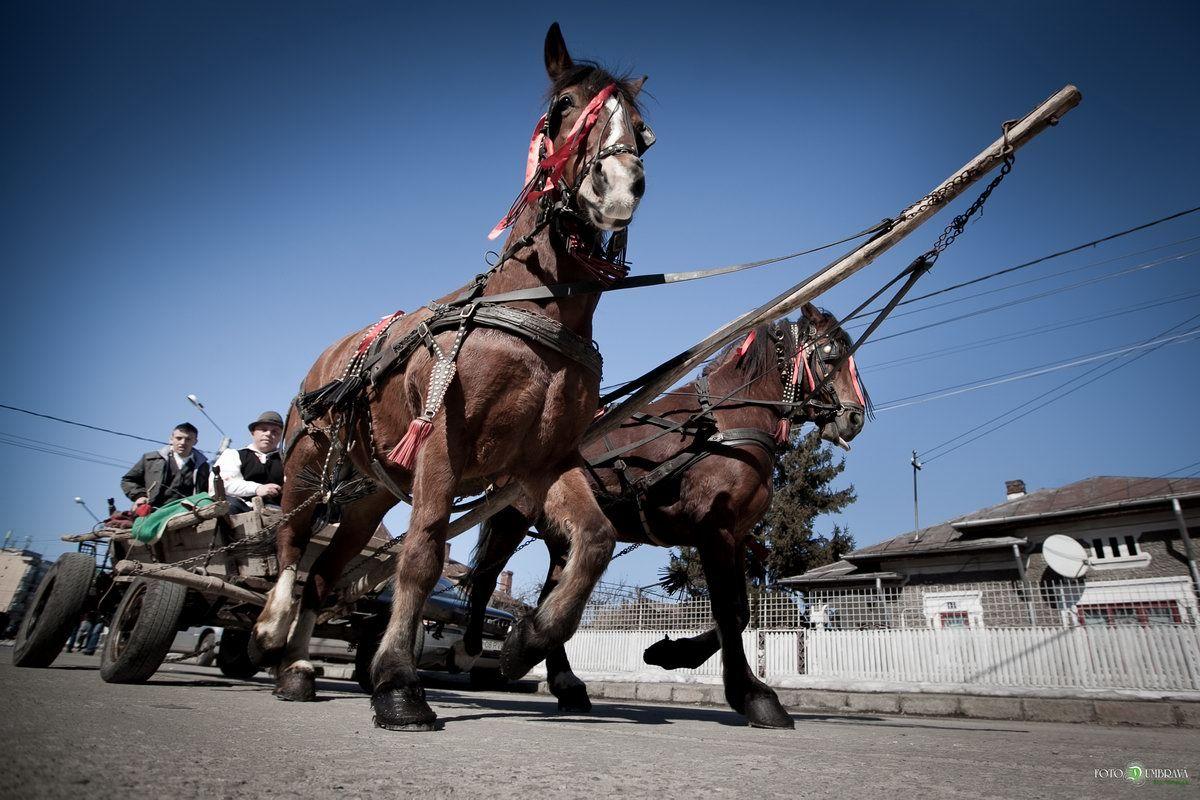
Surely we have all heard the expression "the Easter of the horses" used when you want to say that a certain thing will never happen, but perhaps not all of us know that the holiday "Easter of the horses" actually exists, is celebrated every year, and is one of the oldest celebrations in the Transylvanian lands.
The holiday "Easter of the horses" is celebrated every year on the Thursday of the seventh week after Easter. The history of this holiday, also known as "Ispaș," is over 2000 years old. The legend of this holiday is a beautiful one: it is said that at the birth of Jesus Christ, in the manger where he came to life, there were animals such as cattle and oxen, but also horses, the latter being extremely noisy. Because of this, the Virgin Mary told them not to eat their fill except on one day of the year, when her Son would ascend to heaven.
As mentioned earlier, in some areas of Transylvania and beyond, this holiday is also known as Ispaș, a name linked to another legend. Ispaș was said to be a man who, alongside the three Apostles, was present at the Ascension of the Lord, known as a good and cheerful man. For this reason, on the day of Ispaș, it is said that it is not good to argue or be upset.
Returning to "Easter of the Horses," the fact that this holiday is not celebrated on a fixed date each year gave rise to the expression "At the Easter of the horses," which defines something about which it is unknown when it will happen.
In some areas of Transylvania, on this day:
 Festivals
Exile and homeland – in Ovid's footsteps through Romania (from Transylvania to the Black Sea) (Guided individual trip with minibus/HP) Contact person: Ladislau Ciocan / Dr. Heike Lammers-Harlander Travel companion: Ladislau Ciocan / Dr. Heike...
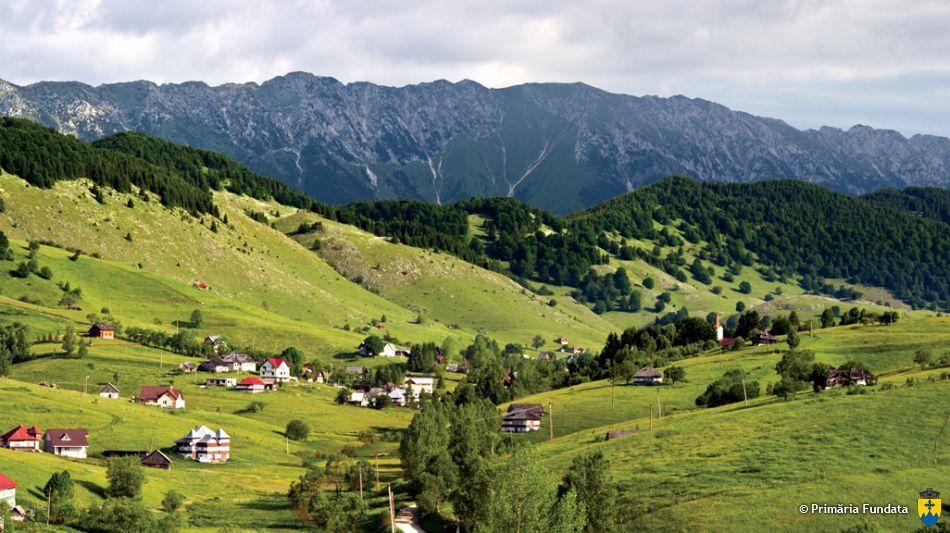
HistoryBrașov County is home to a collection of villages, each more breathtaking than the last. Today, we turn our attention to the village of Fundata, considered the seat of the Fundata commune, also located within Brașov County. With a population of 464...
 History
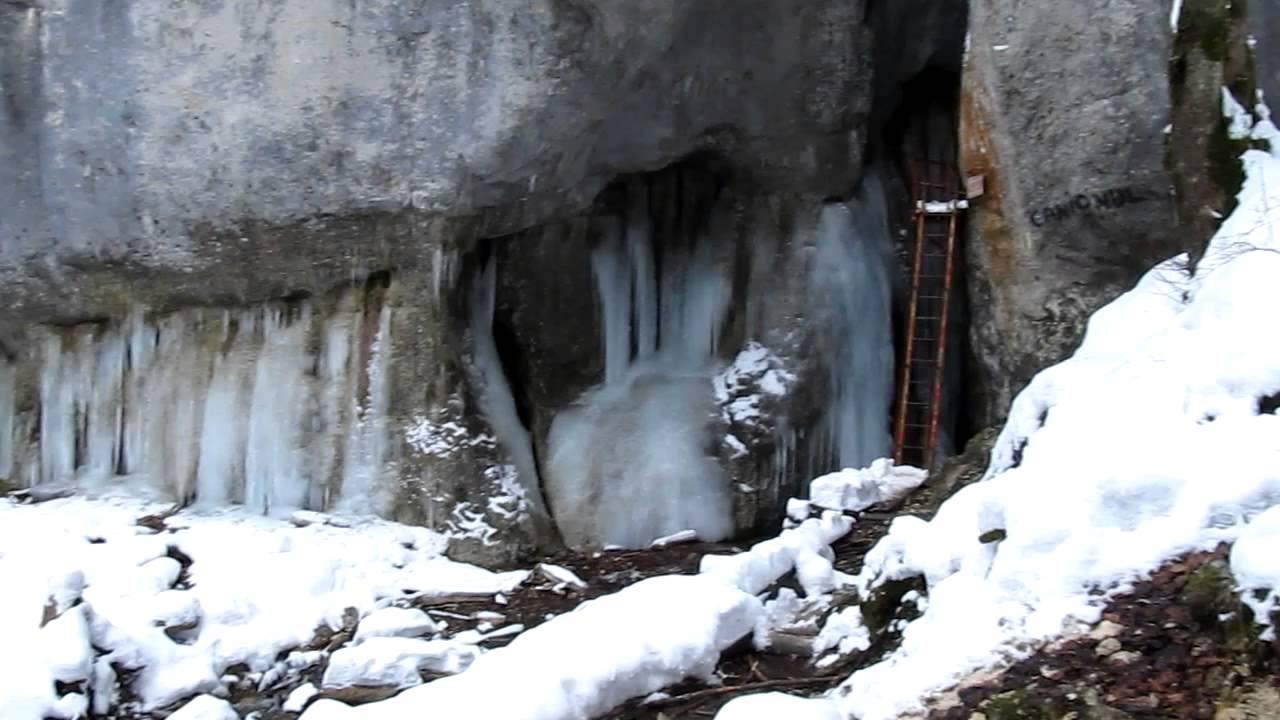
Located in Brașov County, the Seven Ladders Canyon is one of the most visited and enjoyable gorges in our country. With a length of over 150 meters at an altitude of 948 meters, this course is made up of Jurassic limestone originating from the...