+40 749 680 770Monday - Sunday: 10:00 - 18:00

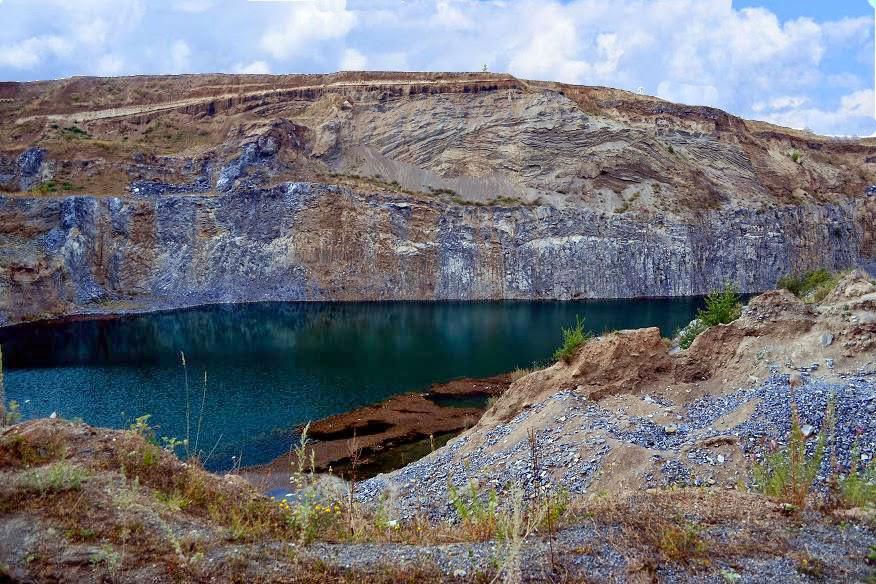
Located in Brașov County, the commune of Racoș is part of the Transylvanian region of Romania, which includes the two villages of Mateiaș and the commune's seat, the village of Racoș.
Historically speaking, the commune of Racoș holds majestic significance. Here, many centuries ago, there is evidence of extensive former Dacian settlements located in the Land of Bârsa. These settlements were extremely useful in establishing a network of Dacian fortifications.
Demographically, according to the 2011 census, the commune of Racoș had a population of 3,336 residents. Interestingly, this number has increased compared to 2002, when it was only 3,178. Many of these residents are Hungarians, making up 52.19%, followed by Romanians at 22.27% and Roma at 20.41%.
The most significant tourist attraction in Racoș is the Dacian Fortress. This fortification, of Dacian origin, was built on the surface of the Ormenișului Plateau, a narrow, elongated settlement, but with a very dangerous precipice to the north.
Regarding the Dacian Fortress of Racoș, its current state is classified as a ruin. All that remains is an arch, given that most of the artifacts (or rather, a significant portion of them) were quickly taken to Budapest to erase their traces. Discoveries made by our country's archaeologists began only in 1975, when the Dacian Fortress came to our attention. However, the vast majority of interesting elements had already been removed, partly due to a priest from the village who, lacking the necessary knowledge, conducted a series of clandestine excavations that compromised the authentic content of the Fortress.
Today, the Dacian Fortress of Racoș can still be visited, but all that remains in those places are ruins. Additionally, it is considered a National Historic Monument, and if reconstruction of the building were to begin, it would certainly take a long time for the majority of the walls to be rebuilt using usable materials.
Nevertheless, this tourist attraction manages to draw a steady number of visitors each year who wish to learn more about the history underlying the commune of Racoș.
 History
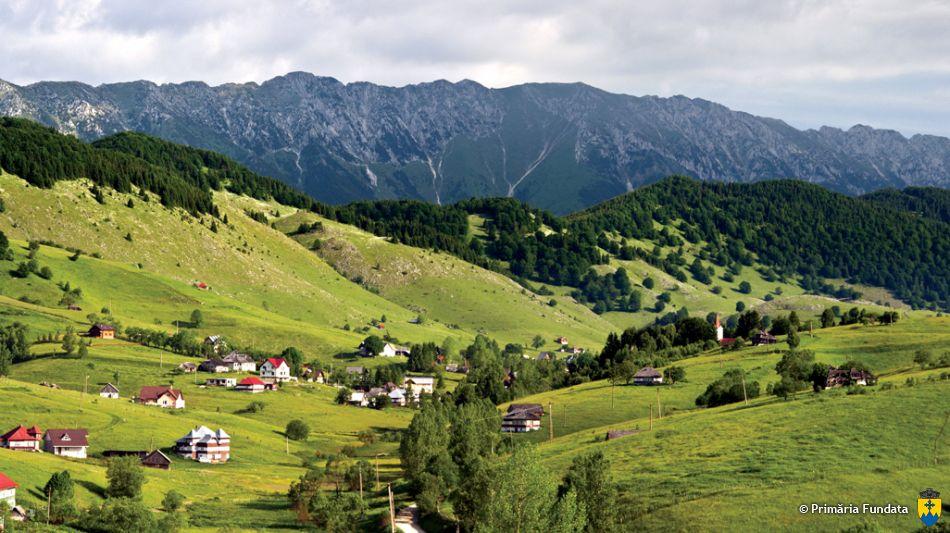
Brașov County is home to a collection of villages, each more breathtaking than the last. Today, we turn our attention to the village of Fundata, considered the seat of the Fundata commune, also located within Brașov County. With a population of 464...
 History
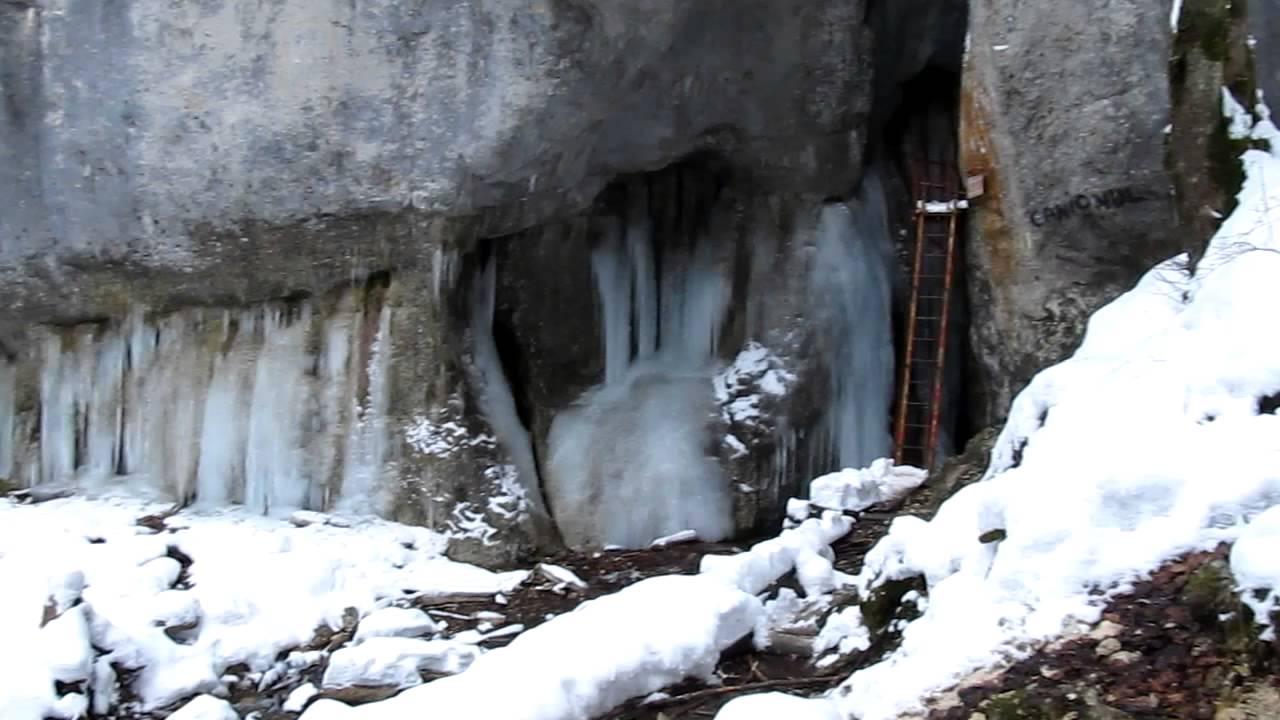
Located in Brașov County, the Seven Ladders Canyon is one of the most visited and enjoyable gorges in our country. With a length of over 150 meters at an altitude of 948 meters, this course is made up of Jurassic limestone originating from the...
 History
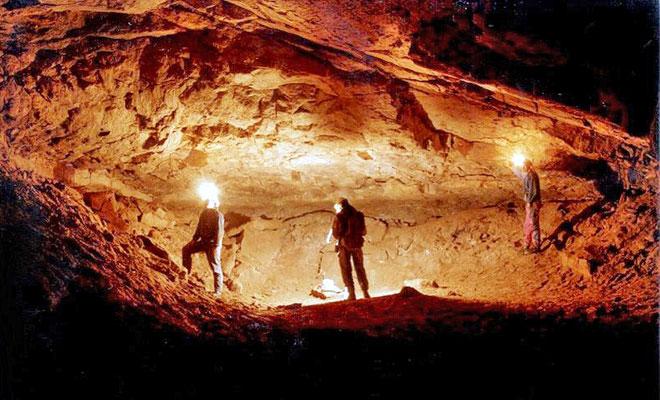
The Rodna Mountains in Bistrița-Năsăud County hide a series of joys and natural treasures. Located at an altitude of 950 meters, the Izvorul Tăușoarelor Cave holds a special place on this list. Since its discovery in 1955, the cave has remained...