+40 749 680 770Monday - Sunday: 10:00 - 18:00

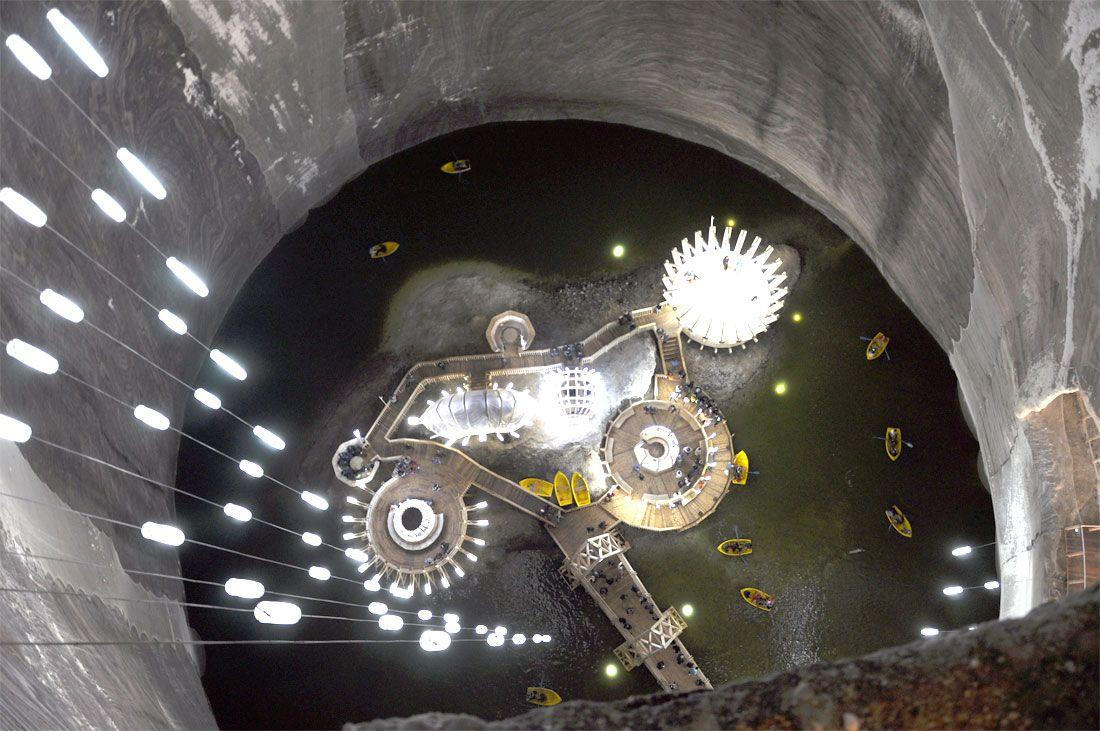
Turda Salt Mine is today a true museum of the history of salt mining. The excellent state of preservation of the mining works and the equipment used for transporting salt, along with the care taken in preparing the mine to become a tourist attraction, have allowed history and legend to intertwine harmoniously here. The increasing number of tourists arriving from the farthest geographical areas to visit the mine is a confirmation of its tourist and historical value.
The mine is undoubtedly the most famous destination for tourists visiting the town of Turda. This mine dates back to the 17th century. The exploitation of salt in Turda was a determining factor for the prosperous evolution of the town from pre-Roman times to the present. The Turda Salt Mine, which has been one of the most important salt mines in Transylvania since its inception, began to decline after 1840 due to the growing competition from the Ocna Mureș mine, eventually serving as a reserve for the latter.
Until 1862, salt was extracted in Turda from the three old wells:
In that year, salt extraction in the "Anton" well, where the extraction reached a depth of 108 meters, was halted due to the high clay content of the salt.
The major problem faced by the Salt Chamber of Turda during this period was related to the transport of the extracted salt from the mouths of the wells in Valea Sărată to the warehouses in Turda Nouă, as the road was very steep.
To facilitate transport and simultaneously reduce the associated costs, it was decided in 1853 to construct a transport gallery starting from Turda Nouă. This gallery, named "Franz Iosif," reached a length of 780 meters by 1871 and was extended by another 137 meters by the end of the century.
Concurrently with the excavation of the transport gallery, the "Terezia" well was modernized by adding two lateral chambers, "Rudolf" and "Ghizela," with extraction concentrated in the "Rudolf" mine.
Source: salinaturda.eu
 History
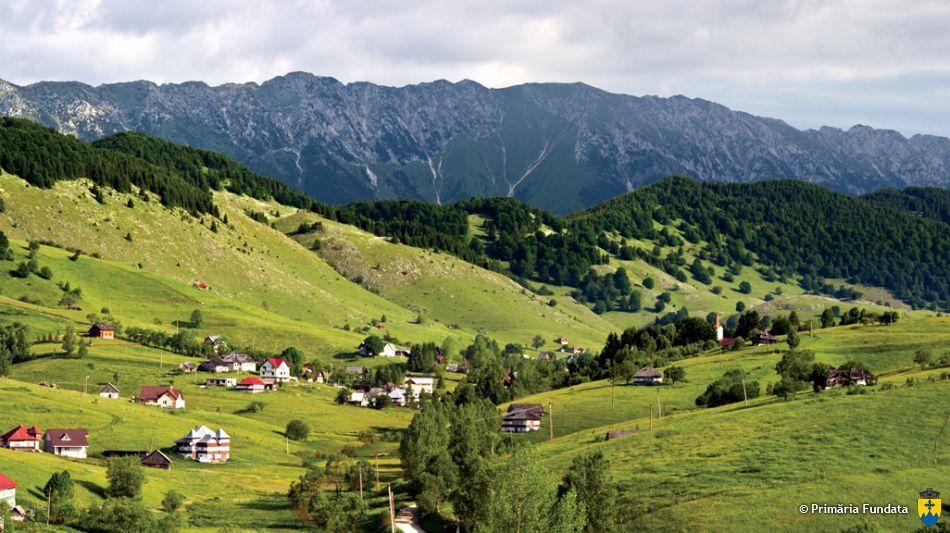
Brașov County is home to a collection of villages, each more breathtaking than the last. Today, we turn our attention to the village of Fundata, considered the seat of the Fundata commune, also located within Brașov County. With a population of 464...
 History
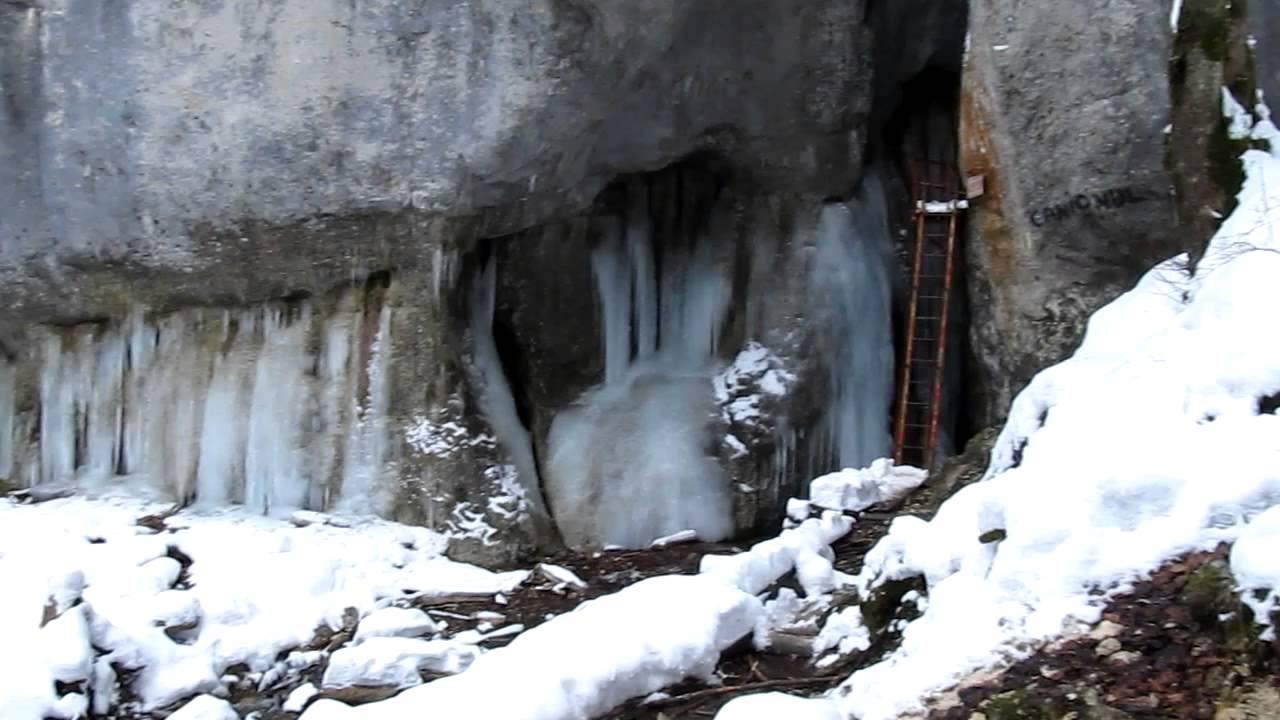
Located in Brașov County, the Seven Ladders Canyon is one of the most visited and enjoyable gorges in our country. With a length of over 150 meters at an altitude of 948 meters, this course is made up of Jurassic limestone originating from the...
 History
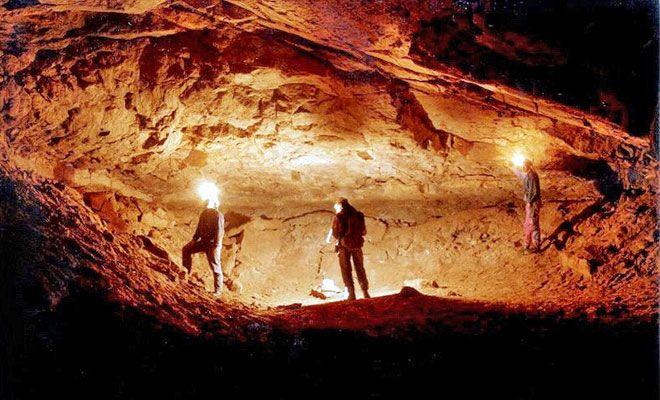
The Rodna Mountains in Bistrița-Năsăud County hide a series of joys and natural treasures. Located at an altitude of 950 meters, the Izvorul Tăușoarelor Cave holds a special place on this list. Since its discovery in 1955, the cave has remained...