+40 749 680 770Monday - Sunday: 10:00 - 18:00

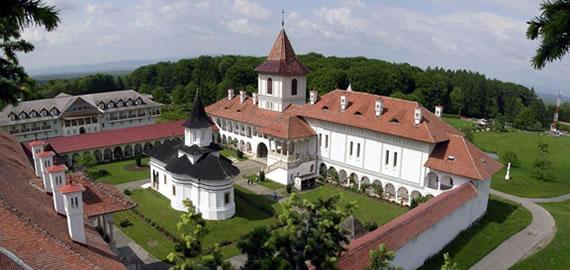
Undoubtedly one of the most beautiful and spectacular Orthodox constructions in Romania, the Sâmbăta de Sus Monastery is visited annually by both locals and tourists from all corners of the world. One of its most significant advantages lies in its spatial-temporal location, right in the heart of the country – in the commune of Sâmbăta de Sus, located in Brașov County.
In the past, the Sâmbăta de Sus Monastery was known as the Brâncoveanu Monastery, built as early as 1657. The decision to erect such a fortification belongs entirely to the nobleman Preda Brâncoveanu, after whom it was named.
The year 1785 was a drastic one for the Monastery. By the order of the Habsburg general Preiss, it was severely affected by artillery fire, resulting in a significant portion of the structure being destroyed. Nevertheless, Metropolitan Nicolae Bălan decided that restoration work should begin in 1926 to reestablish the Monastery.
A very important aspect related to the Sâmbăta de Sus Monastery concerns the communist period – as during this time, there was a desire to forget the Romanian monarchy. The portrait of the king was hidden under a layer of lime, making it impossible to identify. Today, it is visible and can be easily identified, as the communist period is now history.
Additionally, the inhabitants of the Sâmbăta de Sus Monastery number 35 – including the abbots, priests, monks, and nuns. Historically, it is dedicated to the Assumption of the Virgin Mary on August 15, and the two founders are known to be Constantin Brâncoveanu and King Michael I. Since 1698, the Monastery has been consecrated, and thousands of pilgrims come annually for various religious celebrations to feel the strong sentimental impact of the services.
The Sâmbăta de Sus Monastery is considered a historical monument, being one of the most beautiful and imposing Orthodox constructions of its kind, which each of us should visit as soon as possible.
 History
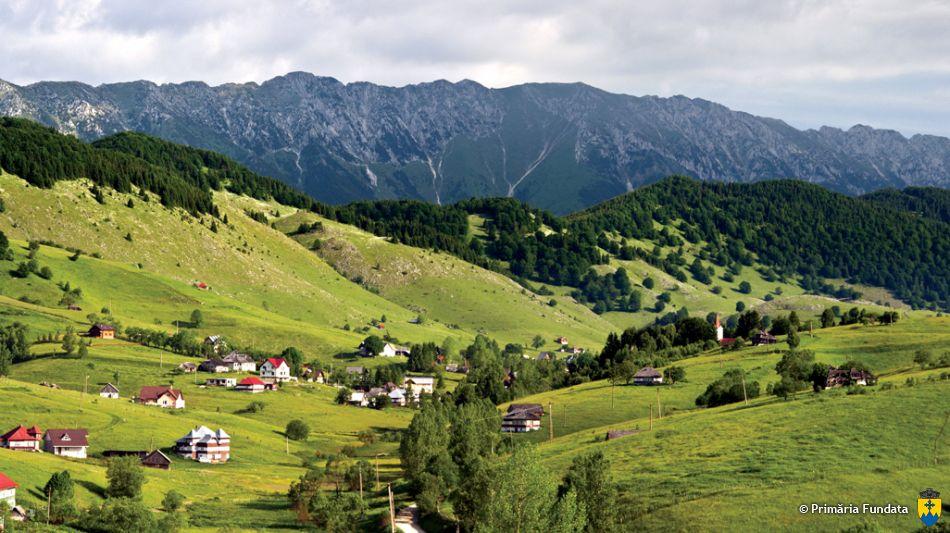
Brașov County is home to a collection of villages, each more breathtaking than the last. Today, we turn our attention to the village of Fundata, considered the seat of the Fundata commune, also located within Brașov County. With a population of 464...
 History
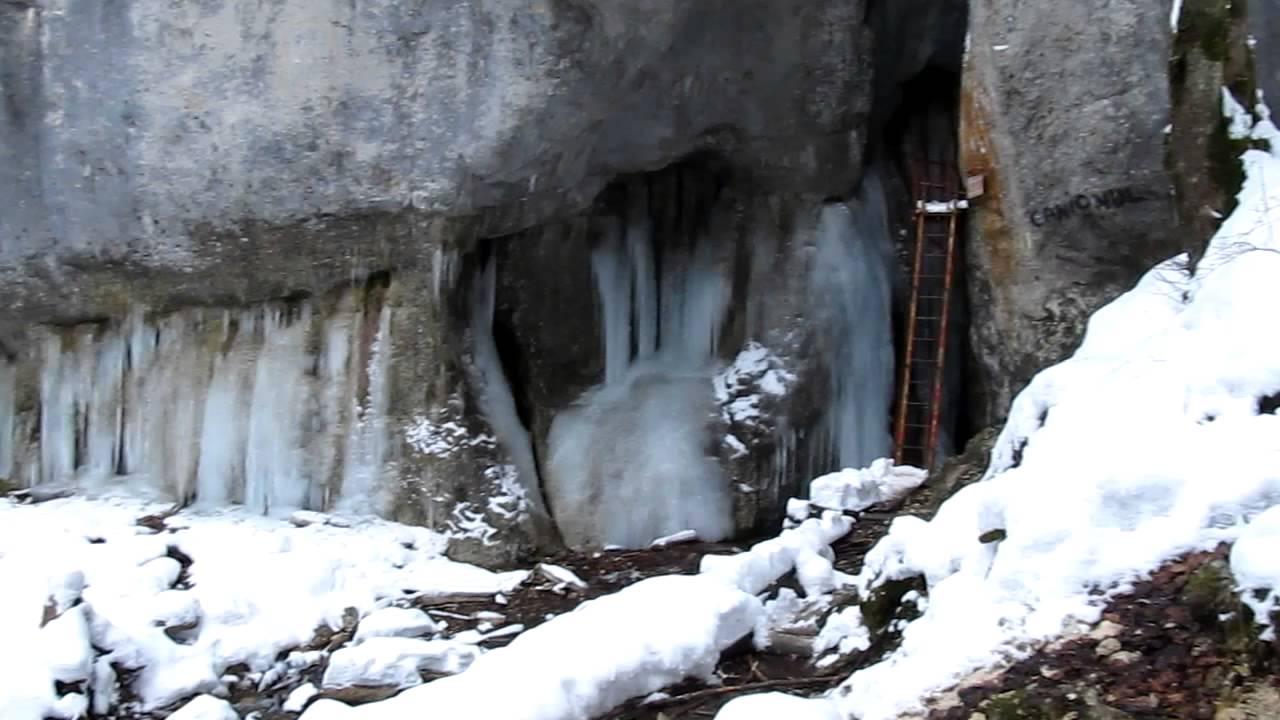
Located in Brașov County, the Seven Ladders Canyon is one of the most visited and enjoyable gorges in our country. With a length of over 150 meters at an altitude of 948 meters, this course is made up of Jurassic limestone originating from the...
 History
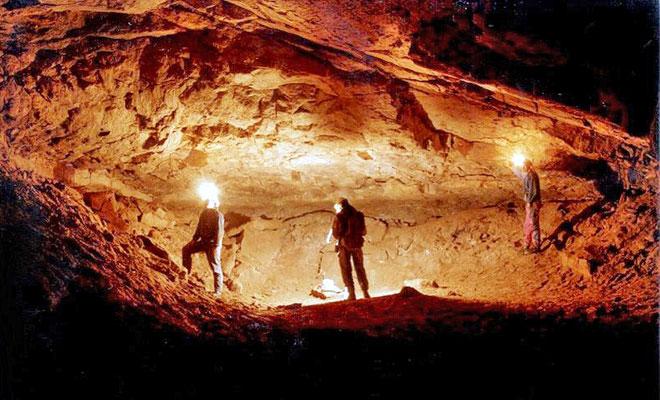
The Rodna Mountains in Bistrița-Năsăud County hide a series of joys and natural treasures. Located at an altitude of 950 meters, the Izvorul Tăușoarelor Cave holds a special place on this list. Since its discovery in 1955, the cave has remained...