+40 749 680 770Monday - Sunday: 10:00 - 18:00

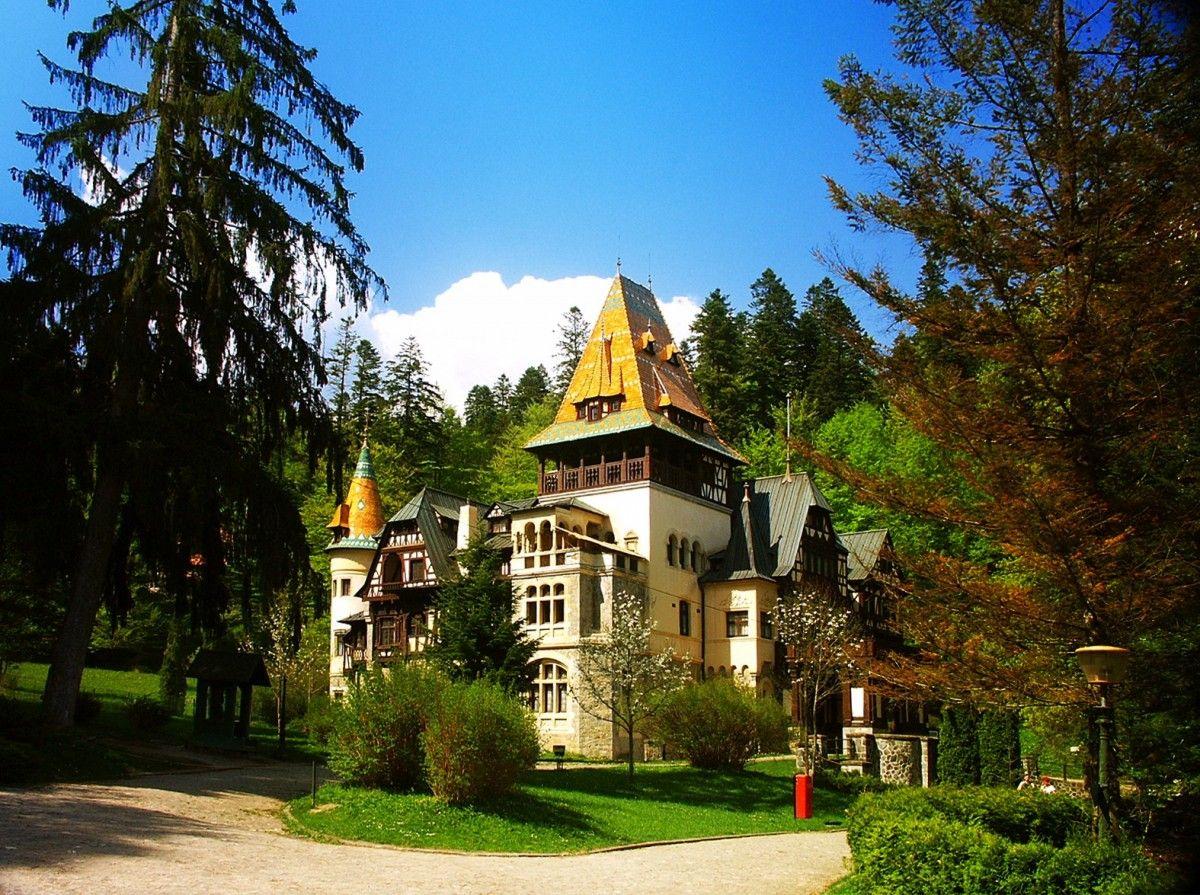
Being one of the two monuments for which the town of Sinaia is extremely renowned both nationally and internationally, Pelișor Castle embodies the result of King Carol I's desires, serving as a summer residence for the main heirs, Princes Ferdinand and Maria.
The construction period varied, taking only three years to raise such an empire. From 1899 to 1902, the massive fortification with a wooden structural system, decorated under the critical eye of Viennese artist Bernhardt Ludwig, transformed into a residential space intended for the summer months. Since 1903, the two heir princes were given free rein to enjoy the space that had been designated for them.
In comparison to the famous Peleș Castle, Pelișor Castle consists of only 99 rooms, compared to the 160 found in the nearby palace. As an invincible personality, Queen Maria left her mark and decorated it according to her taste—and it must be admitted, the beauty and good taste found in the Castle are unparalleled.
Structurally, Pelișor Castle features a series of extremely beautiful and interesting rooms. The most remarkable are, in no particular order:
Regarding Queen Maria's Office, this was the place where she would retreat to organize her thoughts and decide on the best strategic move to make. Thus, the lily and the gamed cross, the two symbols characteristic of her strong personality, are found throughout this room.
On the other hand, another extraordinary room is the Golden Room—a quiet space where the walls are made of gilded stucco and adorned with thistle leaves. Like this room, the entire Pelișor Castle is attributed to the queen's beloved motifs, alongside gilded and unmatched elements. As for the furniture, most of the components were manufactured in the factories of that time in Sinaia, following special and unique orders.
Additionally, Pelișor Castle houses a series of art collections of remarkable significance. Fortunately, nothing was stolen during the communist period, which is why all the furniture and artistic constructions are maintained in the best condition, expressing Queen Maria's undeniable desire to endure through the years.
 Tourist areas
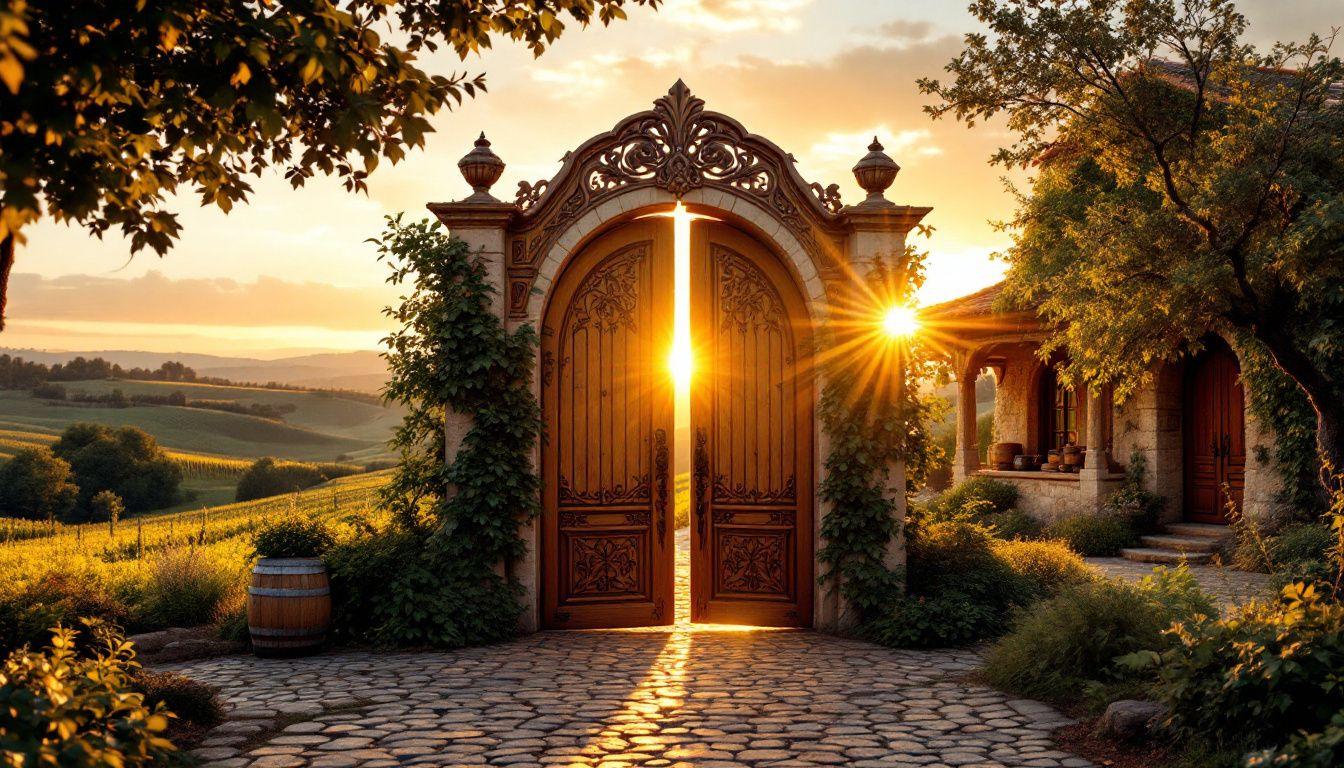
The Sântu Cellar and the Gate of the Soul: An Authentic Wine Destination in the Heart of Transylvania Transylvania, a region known for its natural beauty a...
 Tourist areas
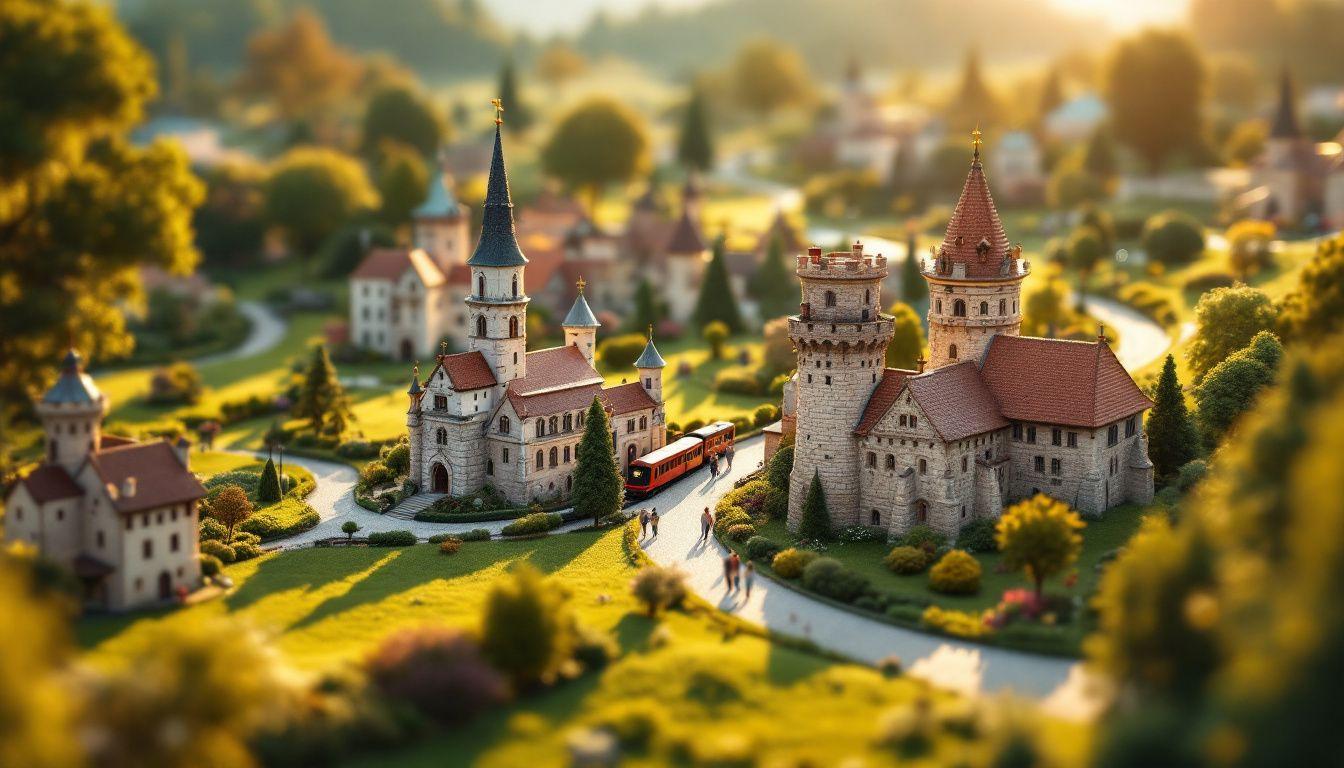
Mini Transylvania Park: A Paradise of Architectural Miniatures in the Heart of Transylvania In the heart of Transylvania, in the Băile Seiche area of Hargh...
 Tourist areas
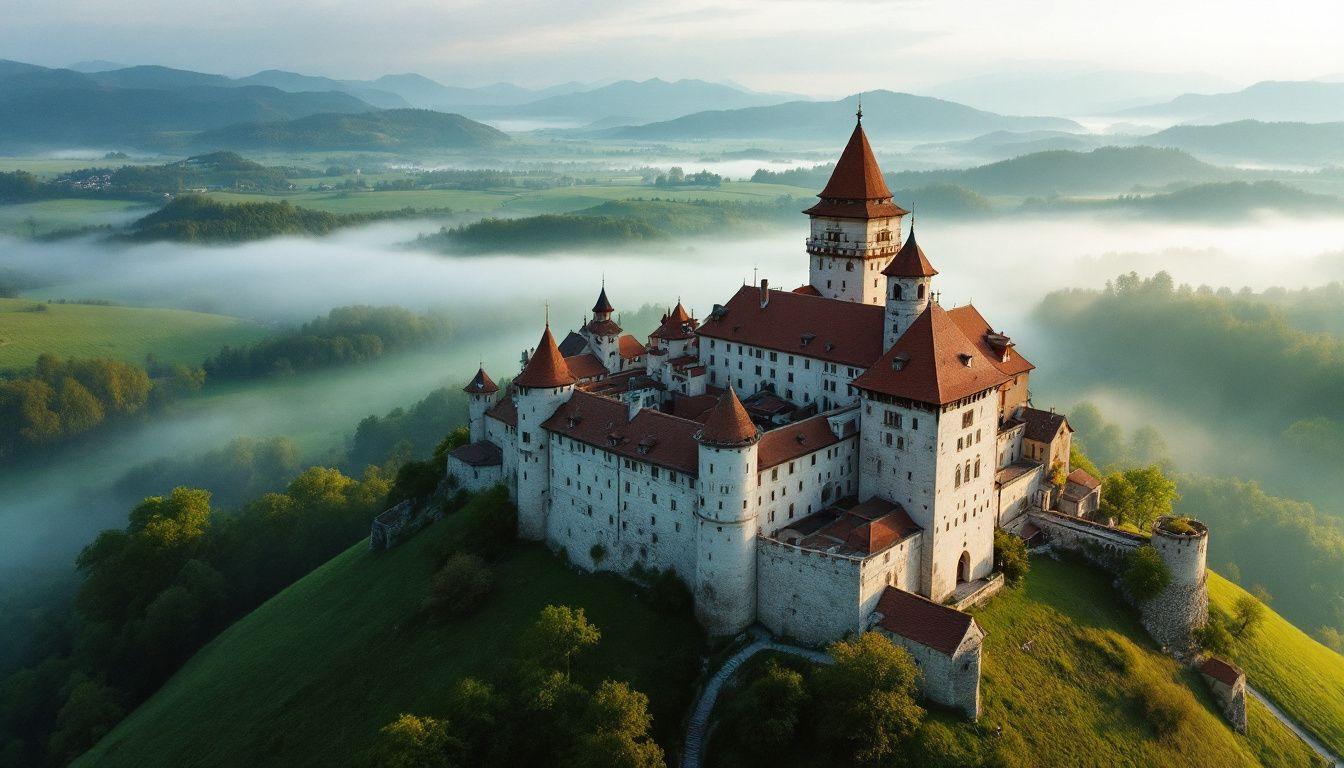
Feldioara Fortress - Marienburg: A Medieval Fortress in the Heart of Transylvania Located in Feldioara, Brașov County, approximately 20 kilometers north of...