+40 749 680 770Monday - Sunday: 10:00 - 18:00

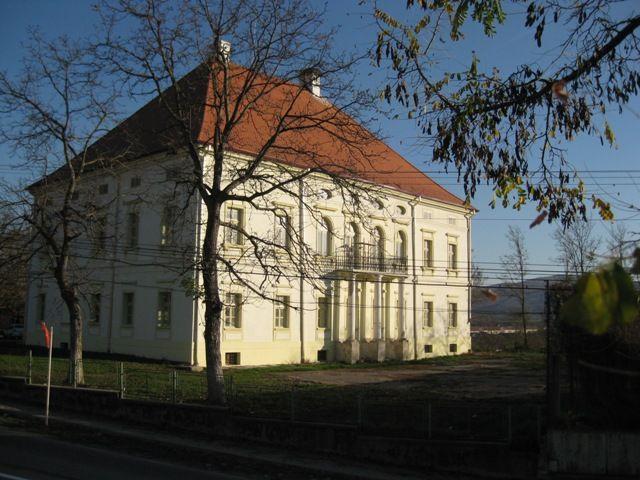
Rhédey Castle is located in the village of Sângeorgiu de Pădure, Mureș County, and here lies Claudine Rhédey, the great-great-great-grandmother of the Queen of England.
This noble castle, built in the 18th century and renovated in 1759 and 1809, when it acquired its neobaroque appearance, belonged to the Rhédey family. The ancestors of this family were related to nearly all the major crowned families of Europe. Once, in the same place, there was another castle, which was connected to the church across the street.
János Rhédey came from Hungary and settled in Sângorgiu de Pădure. He had a descendant named Laszlo Rhédey who, along with his wife Agnes Inczedi, welcomed a baby girl named Claudine Rhédey on September 1, 1812, in a castle surrounded by gardens and forests.
The girl received a refined education, being surrounded by governesses and teachers of foreign languages and music. After turning 15, the teenager began attending the Imperial Court in Vienna. Claudine is described as a stunning beauty, and her presence did not go unnoticed by princes. This is how she met Duke Alexander of Württemberg, who stole her heart forever.
The two fell in love at first sight and decided to marry. The elderly Count Ferenc Rhédey stubbornly opposed the union due to the difference in noble rank between the two, and it was only in 1835, after his death, that they stood before the altar. Claudine and Alexander had three children:
In 1841, the countess was pregnant for the fourth time, but although still young and full of life, Claudine passed away before giving birth. There are two different versions of the countess's death: a miscarriage followed by hemorrhage or a carriage accident. Claudine's body was brought home to Sângeorgiu de Pădure, where she was buried. Duke Alexander was so affected by his wife's death that he left the imperial court in Vienna and withdrew for the rest of his life to Sângeorgiu de Pădure.
The body of Countess Claudine now rests in a lead coffin in the crypt beneath the Reformed Church in Sângeorgiu de Pădure. Since the crypt had been sealed, most likely due to a plague epidemic that had struck Transylvania, no one knew of its existence. It was only in 1935 that it was discovered, and Claudine's body was identified by the small window on the coffin lid, thanks to the medallion she wore around her neck.
Rhédey Castle came into the possession of the Schuller merchant family after World War I, and in 1935 it was purchased by the local community for administrative purposes, being used by the General School since 1948. Currently, the castle is undergoing renovation and major restoration.
 Festivals
Exile and homeland – in Ovid's footsteps through Romania (from Transylvania to the Black Sea) (Guided individual trip with minibus/HP) Contact person: Ladislau Ciocan / Dr. Heike Lammers-Harlander Travel companion: Ladislau Ciocan / Dr. Heike...
 History
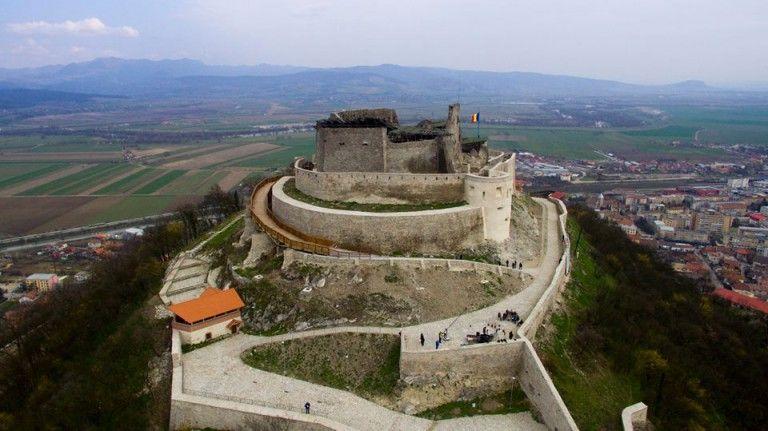
Hunedoara County is a truly impressive and marvelous area. Being quite large in size, it encompasses several municipalities, including Deva – which, moreover, is considered the county's capital. The county is made up of Deva, Sântuhalm, and the...
 Adventure
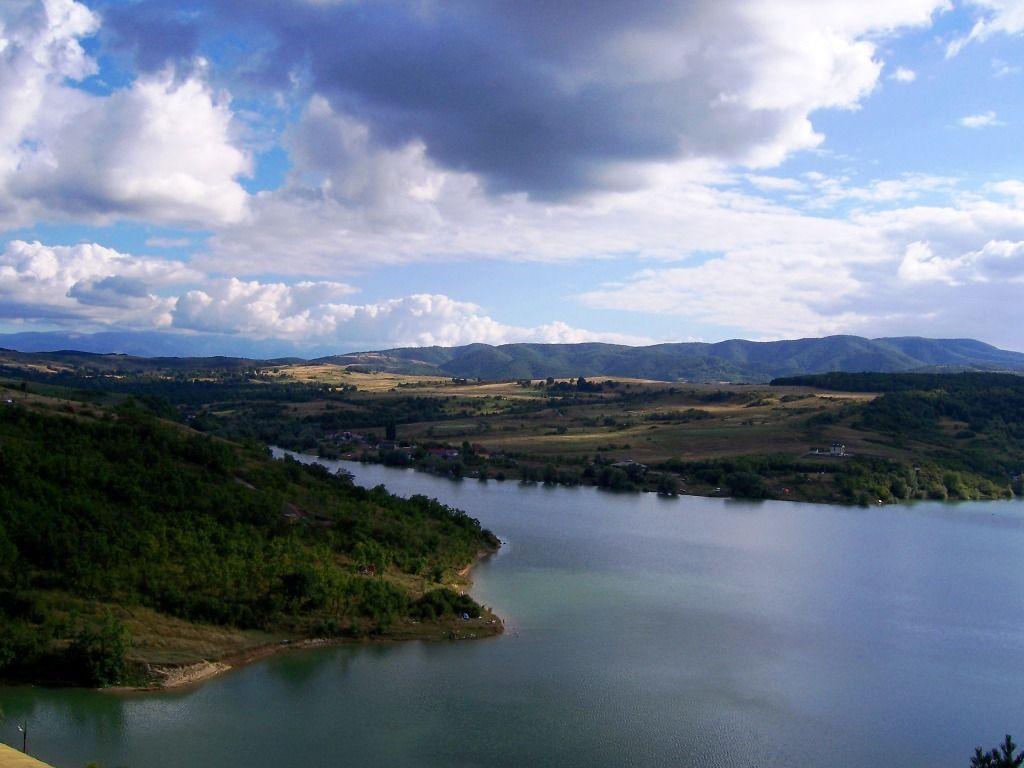
In 1964, the commune of Teliciu Inferior was documented by the State Council. This settlement holds vital importance for the entire Hunedoara County, as well as for the village of Cinciș. We will see later why. The area around the village of Cinciș...