+40 749 680 770Monday - Sunday: 10:00 - 18:00

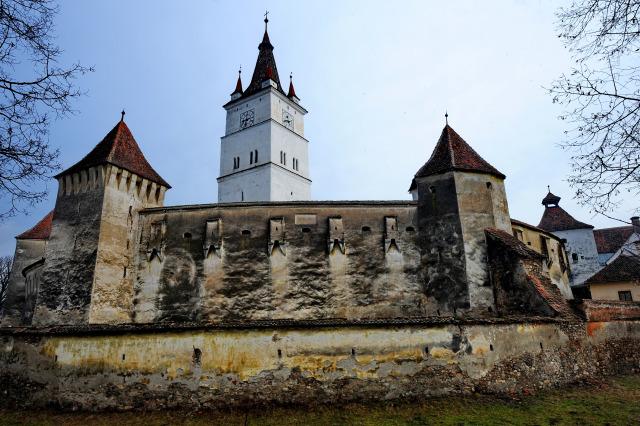
Ten kilometers east of Brașov lies the village of Hărman, known in most European countries for its fortified church, the legends of which we will attempt to unravel in the following lines. Honigberg (the German variant), Szászhermány (the Hungarian variant), Huntschprich (according to the Saxon dialect), or the Latin *Mons Mellis, however you choose to call it, the Mountain of Honey* shelters a construction of rare beauty, filled with mystery and the echoes of a long-buried tumultuous history.
The legend of the imposing fortress is as sweet as it is deceptive. It is said that this was the hive of countless beehives that produced large quantities of honey. But that’s not all – in the early Middle Ages, honey was one of the most valuable currencies for the locals, making the people of that time predominantly wealthy. As history unfolds, the Church on Honey Mountain suffers numerous destructions that shatter its enduring beauty.
Despite never being conquered by enemies, the Church at Muntele Mierii has required reconstructions. Among those who besieged it were:
However, the list does not end there – between 1500 and 1600, it endured two fires, emerging victorious despite its not-so-easy history.
On your next visit, be sure to stop by the monument bell located in the courtyard of the Church at Muntele Mierii. If you take just a minute to appreciate it, you will witness over 100 years of history, revealing the transition of the bells from 1914 into war cannons. After the war, other towers were ordered from Austria, but one shattered on the way and was transformed into a monument dedicated to those who fought in the war. You might want to know that this monument bell, standing before you, was buried for 45 years before being restored…
The church is still today a testament to courage and resilience in the face of conquerors who ardently wished to have this beautiful structure in their portfolio. It is no surprise, as the symbolism of the building is often found on the western side, where there is an ancient painting, a symbol of sacrifice – the pelican feeding its young with its own flesh.
The guide of the Church on Honey Mountain, Mr. Petru Diners, is the only one who, one could say, lives day and night in this place. French, English, or German, the history behind the Church can be translated into any of these dialects so that the images of those times can resonate with the visitors of today’s society.
 Tourist areas
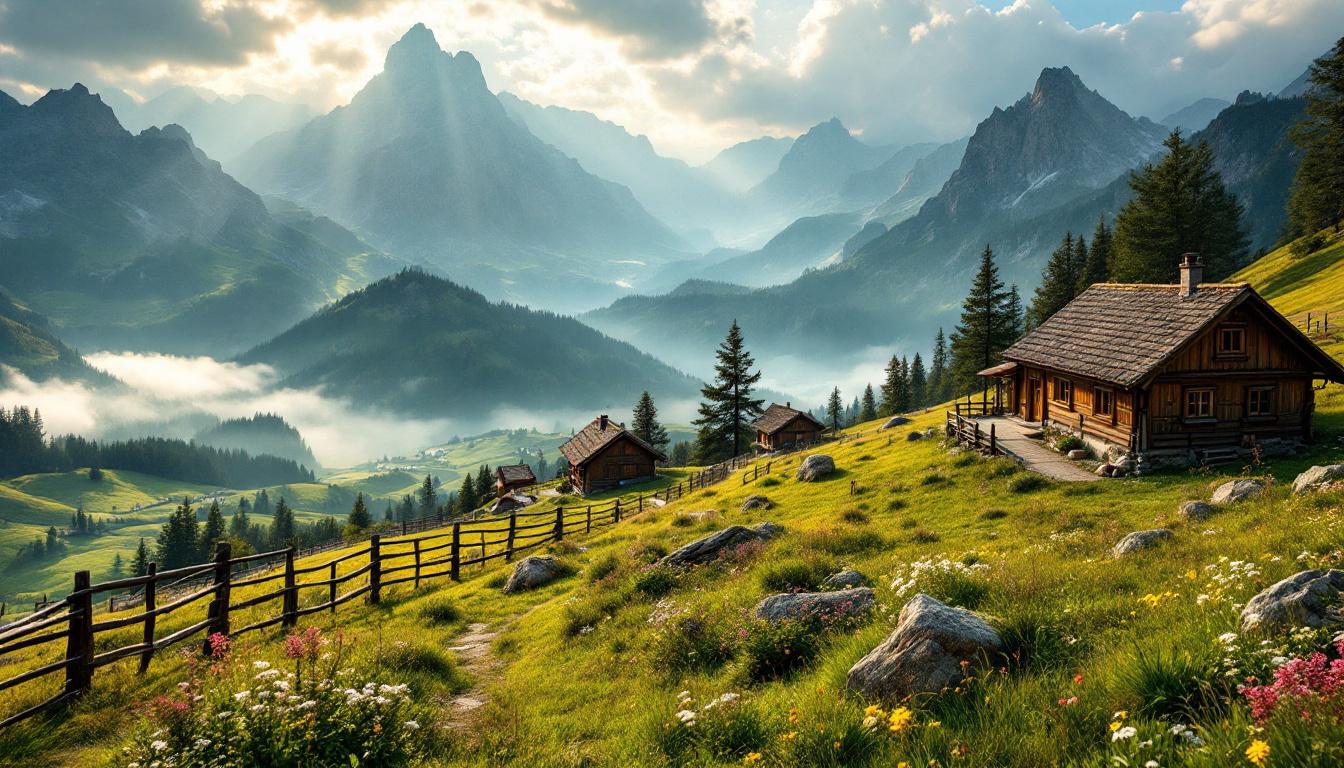
The Transylvania Amphitheater: A Dream Refuge in the Heart of the Carpathians In the village of Moieciu de Sus, Brașov County, there is a magical place whe...
 Tourist areas
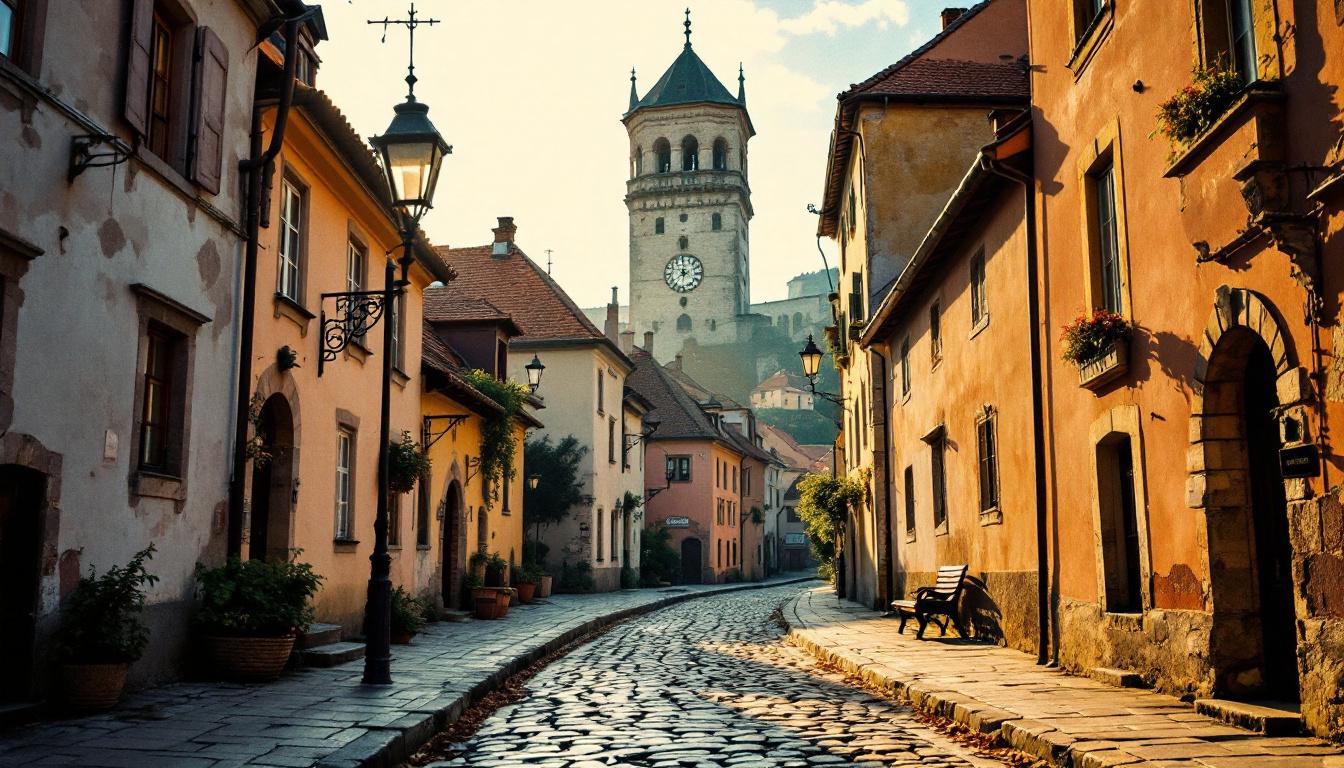
Sighisoara Citadel: A Treasure of History and Beauty in the Heart of Transylvania Sighisoara Citadel, located in Mures County, in the heart of historical T...
 Tourist areas
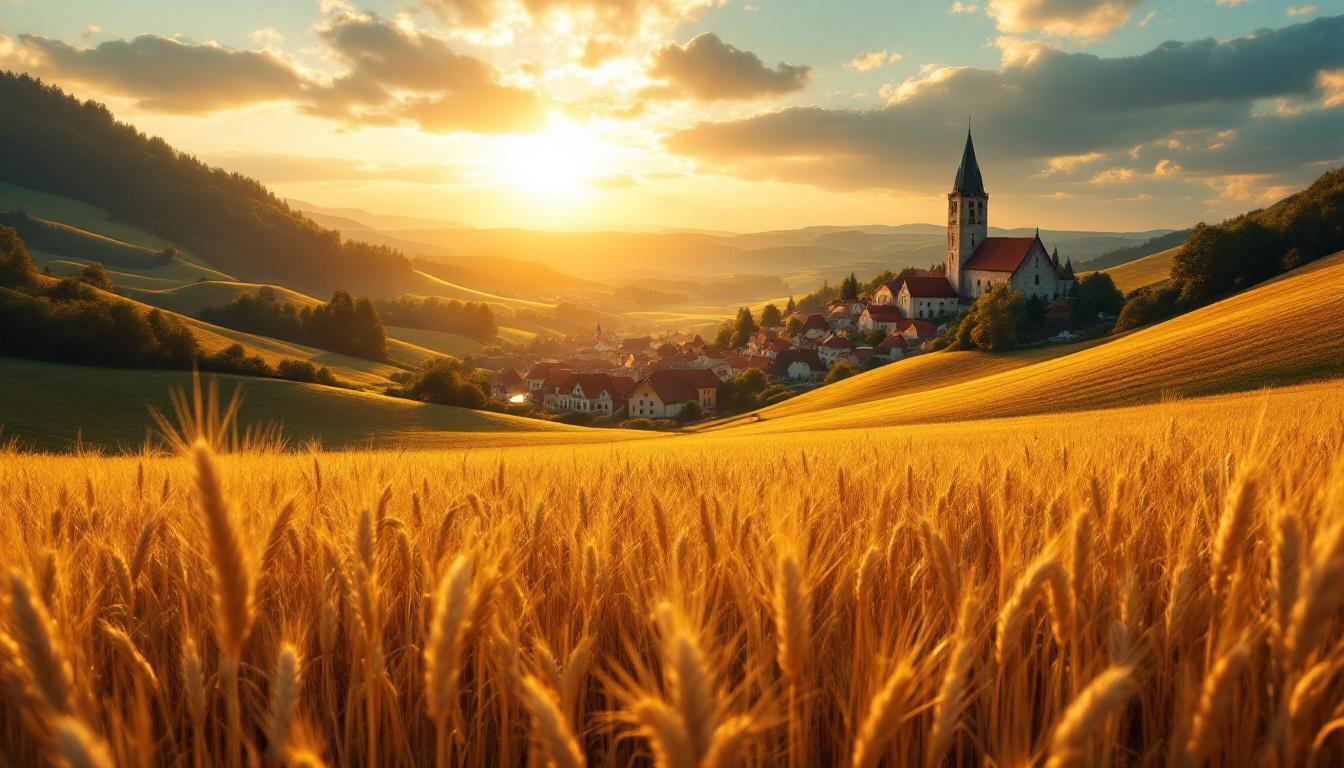
Haferland - The Land of Oats, a Dream Region in the Heart of Transylvania In the heart of Transylvania, between Brașov and Mureș, lies one of the most pict...