+40 749 680 770Monday - Sunday: 10:00 - 18:00

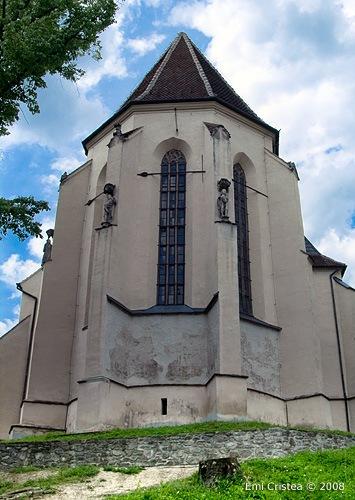
The Church on the Hill is undoubtedly one of the representative monuments of Sighișoara Fortress, and it holds great significance for all of Transylvania. Built starting in 1345, the church was erected on the site where, several hundred years earlier, another Romanesque church once stood. From the very beginning, the founders of this church aimed for it to be one of the largest, and today it ranks third in size in Transylvania.
Another unique element is the crypt located directly beneath the church altar, which contains graves from the 16th to 18th centuries. The entire structure, completed in 1525, showcases several elements of Gothic style:
An important milestone is the year 1704, when the church was set on fire during the siege by the Kuruts, as well as the year 1838, when the church again required massive repairs to the choir vaults following an earthquake.
Over the years, the Church on the Hill has undergone two major restorations:
 Festivals
Exile and homeland – in Ovid's footsteps through Romania (from Transylvania to the Black Sea) (Guided individual trip with minibus/HP) Contact person: Ladislau Ciocan / Dr. Heike Lammers-Harlander Travel companion: Ladislau Ciocan / Dr. Heike...
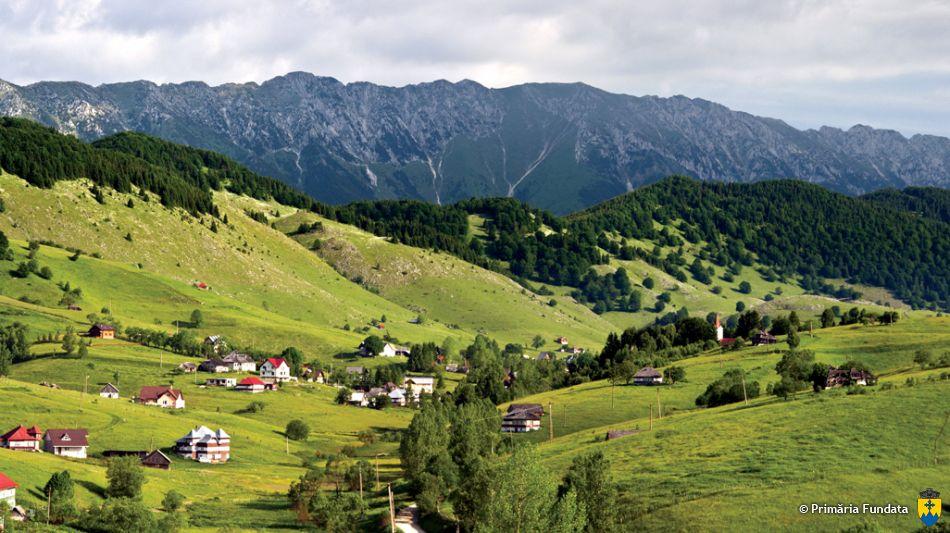
HistoryBrașov County is home to a collection of villages, each more breathtaking than the last. Today, we turn our attention to the village of Fundata, considered the seat of the Fundata commune, also located within Brașov County. With a population of 464...
 History
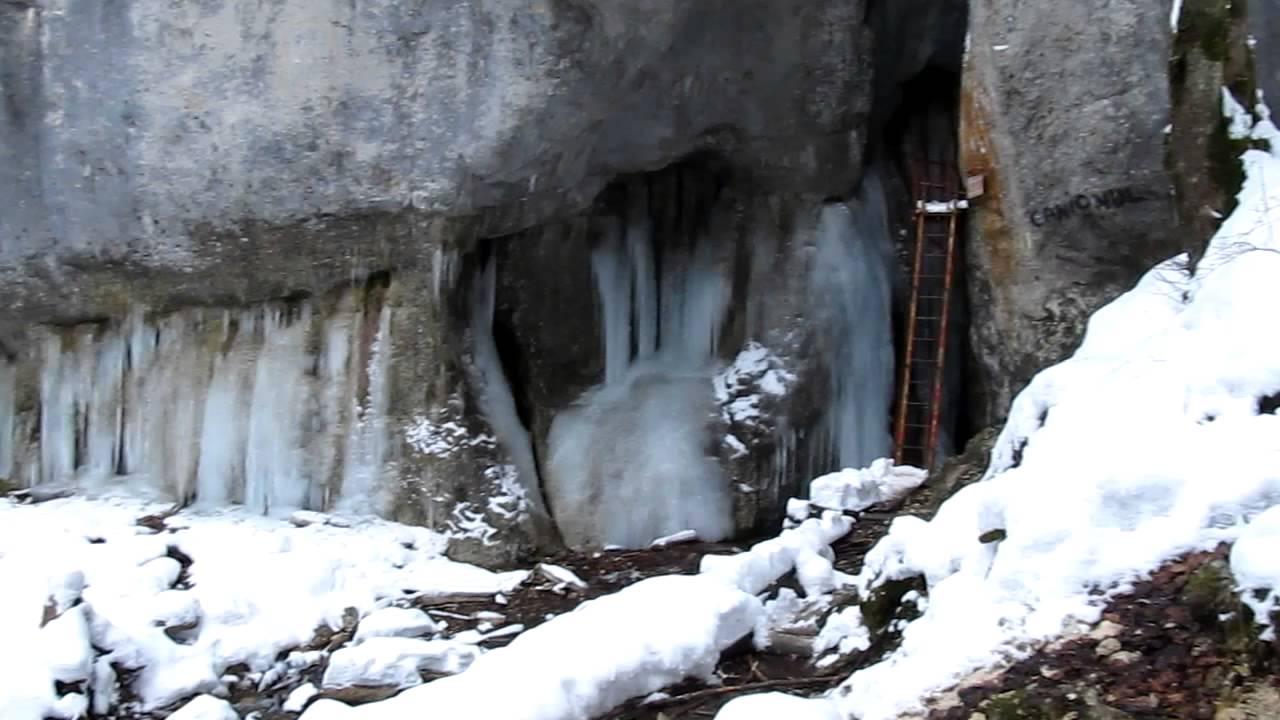
Located in Brașov County, the Seven Ladders Canyon is one of the most visited and enjoyable gorges in our country. With a length of over 150 meters at an altitude of 948 meters, this course is made up of Jurassic limestone originating from the...