+40 749 680 770Monday - Sunday: 10:00 - 18:00

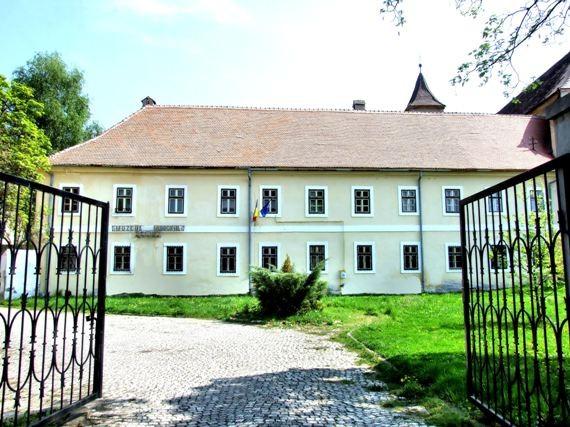
It can be said that the museum represents a gateway to a past, relived in the present. The role of any museum is fundamental in human society. Its existence and continuous development represent a maturation and an awareness of individuals regarding collective and cultural memory, as well as the importance of transmitting historical information, and not just historical, to new generations in the most accessible and enjoyable way possible.
The museum offers an awareness of roots, the stability of the archaic model, belonging, as well as the inevitable changes.
"As researcher Gherghina Boda stated in one of her works, through it, the visitor can immerse themselves in the life of their ancestors, feeling the joys and hardships of times long gone."
The history of the Mediaș museum has its roots in the 19th century when two enthusiastic teachers, Carl Martin Römer and Ludwig Binder, began the acquisition of items for the new institution, while also conducting a wide-ranging awareness campaign to inform the population about the importance of preserving historical and cultural values at the local level.
In addition to the new acquisitions and donations, the inventory of the Museum will also include the old collections of numismatics, archaeology, and antiquities from the Gimanziului and the Evangelical Church in Mediaș, gathered over time. These were mentioned as early as 1853 by Gustav Friederich Schuller, as well as by other researchers such as Karl Goos in 1876 and Carol Werner in 1877.
However, the museum itself will be established in 1901, under the name of *Alt-Mediasch (Old Mediaș). Information regarding this aspect can be found in issue 449 of the Mediacher Wochenblatt* periodical dated December 7, 1901, which mentions that:
"It hasn't been that long since the idea of establishing a museum collection in Mediaș was first discussed [...], for the general public, and yet today it can already be stated that the establishment of the museum can now be considered a certainty."
Other valuable information about the beginnings of the Mediaș museum can also be found in some memoirs of the professor and priest Carl Martin Römer, who mentioned that:
"It was in the second half of the nineties [1890 A.D.] when, together with my unforgettable friend, Ludwig Binder, we thought of establishing a museum in our city. We sadly witnessed how testimonies of our folk art began to disappear in the city and in the villages. On one hand, they became the subject of an ever-growing trade, with many items being taken abroad, and on the other hand, many of them were left to be destroyed out of ignorance. It seemed that the twelfth hour had come to save a few precious objects for our homeland."
The idea of such an institution was based on Römer's belief that a collection like this, which would bring before the eyes of future generations the history, way of life, artworks, and aesthetic forms of our ancestors, would awaken in them patriotism, respect for past generations, and enhance their aesthetic sense.
We must acknowledge that these ideas are still valid today, more than a hundred years after the founding of our museum, and through this endeavor, we should pay tribute and show our gratitude to the one who was the artisan and co-founder of this institution: Carl Martin Römer (photo).
For the development of this initiative, alongside many private supporters, entrepreneurs, and local companies, the city administration has made the commendable decision to include 300 Crowns annually in the city budget to support the Museum.
Therefore, we can consider that the city's museum, founded in 1901, currently represents one of the oldest institutions that preserves and generates culture in Mediaș. Furthermore, with a varying degree of local patriotism, we can state that we are among the museums in our country that can proudly boast a "centennial" existence.
Museographer, Viorel ŞTEFU
Text taken from: [http://muzeulmedias.wordpress.com/2014/08/28/pagini-din-istoria-muzeului-mediesean-1901-inceputurile-sale/](http://muzeulmedias.wordpress.com/2014/08/28/pagini-din-istoria-muzeului-mediesean-1901-inceputurile-sale/)
 History
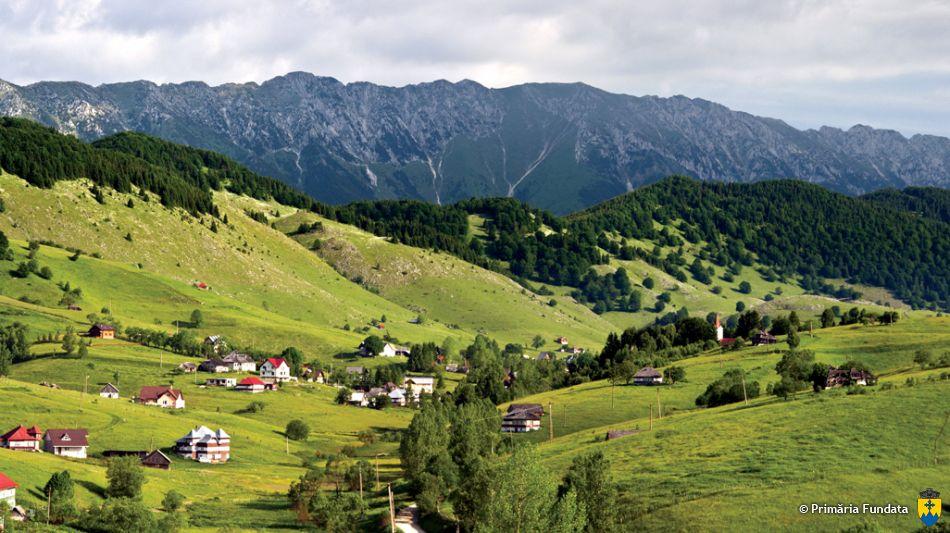
Brașov County is home to a collection of villages, each more breathtaking than the last. Today, we turn our attention to the village of Fundata, considered the seat of the Fundata commune, also located within Brașov County. With a population of 464...
 History
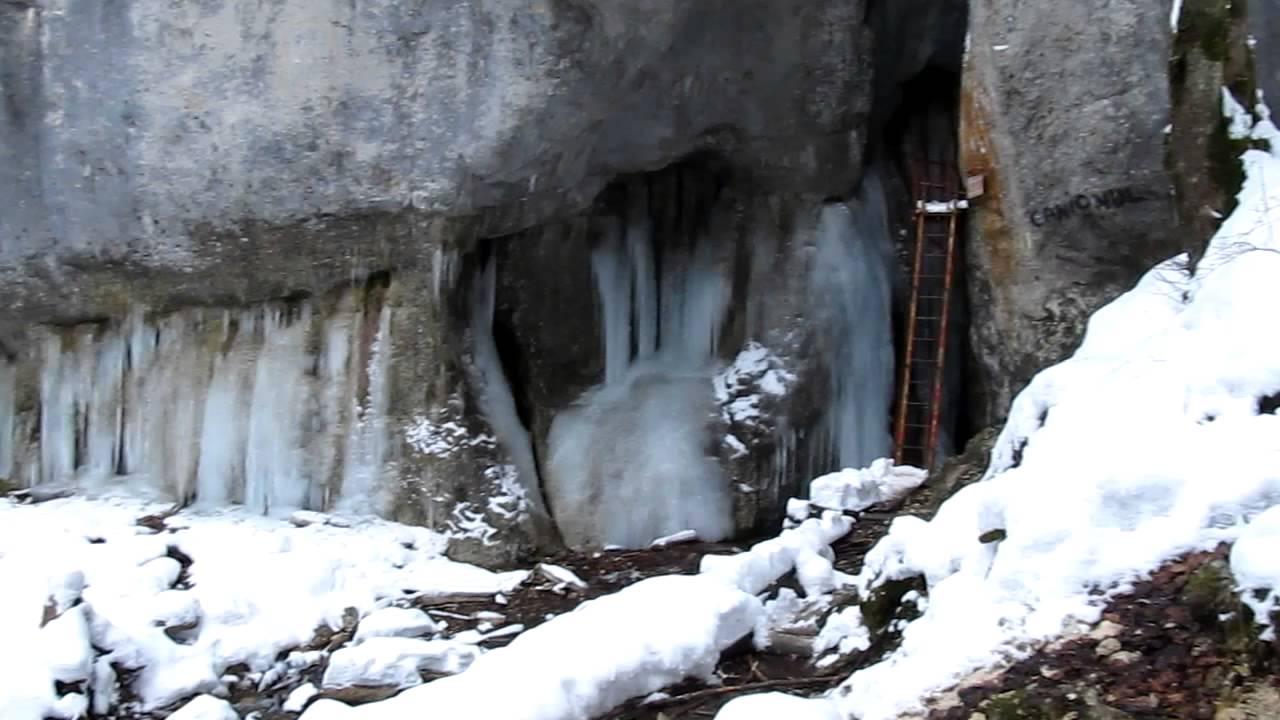
Located in Brașov County, the Seven Ladders Canyon is one of the most visited and enjoyable gorges in our country. With a length of over 150 meters at an altitude of 948 meters, this course is made up of Jurassic limestone originating from the...
 History
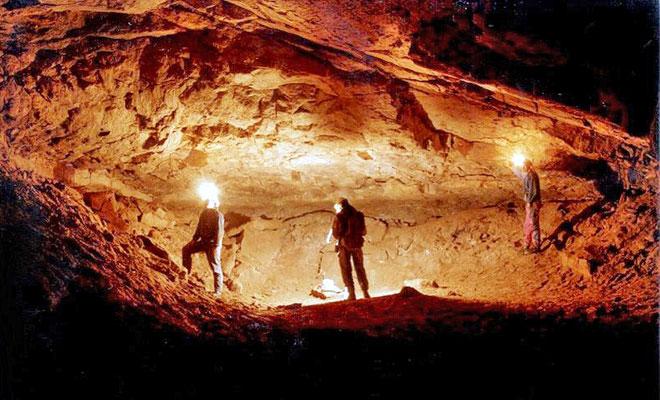
The Rodna Mountains in Bistrița-Năsăud County hide a series of joys and natural treasures. Located at an altitude of 950 meters, the Izvorul Tăușoarelor Cave holds a special place on this list. Since its discovery in 1955, the cave has remained...