+40 749 680 770Monday - Sunday: 10:00 - 18:00

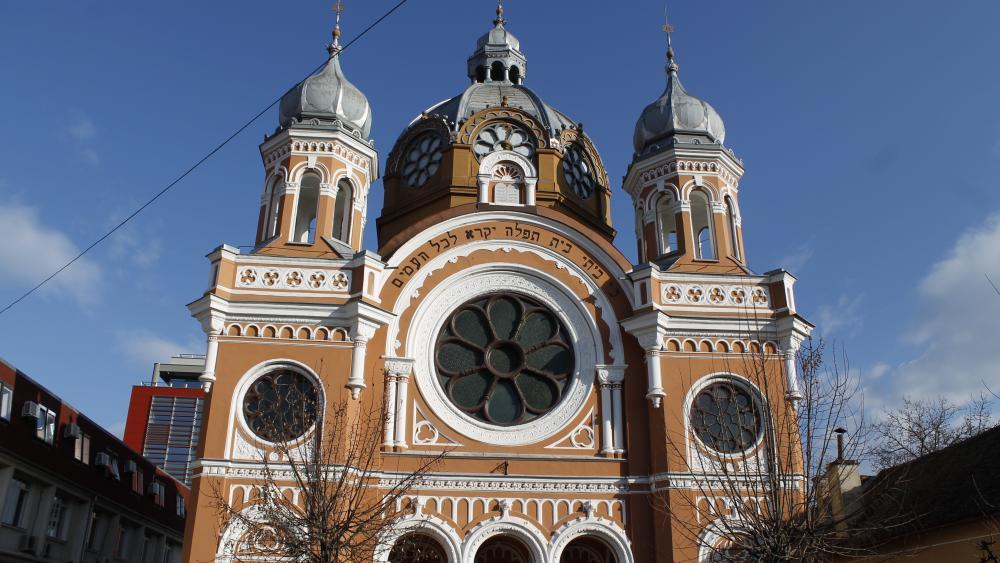
Built at the turn of the century, precisely in the year 1900, the Israelite Temple in Târgu Mureș (also known as the Great Temple) is located at 23 Aurel Filimon Street. The decision to construct it was made by members of the former Jewish community, who always desired a place of worship suitable for their emblematic ideology.
It is important to mention the history of the Jewish community, considering that we are in a predominantly Orthodox country – this Jewish union also stems from the Orthodox community of all Transylvanian Jews of the 19th century under the Austro-Hungarian monarchy.
The architects of the Israelite Temple were none other than the Austrian Jakab Gartner and Soos Pal, who left their mark on a multitude of buildings they designed and constructed in the city of Târgu Mureș. Among these is the most beautiful staircase in the world, the Racokzi Staircase, which unfolds over 70 steps.
Recognized as one of the most valuable buildings, the Israelite Temple accommodates 522 people, with:
Over time, Târgu Mureș has been the place from which many Jews left and were deported to German extermination camps, which is why even today there exists a monument made of white marble, equipped with a commemorative plaque. The decision to place this symbol serves as a reminder of those unpleasant times.
The Ark inspires with the text written in Hebrew, which translates to:
"The number of martyrs from our city is 5,942, and the stone in the wall cries out in pain, and all the Jewish people mourn the extermination of our parents and loved ones who were sacrificed and burned at Auschwitz in the year 6704 (1944)."
In addition to this highly visible symbol, the commemorative plaque positioned at the entrance of the Great Temple lists all the names of the individuals deported to the Nazi camps.
Over time, the weather has taken its toll, leaving its mark on the eternal and ineffable appearance of the construction – we are talking about deterioration, which is why in 2000 the authorities decided to take certain measures and begin consolidation and conservation work on the aspects that could be saved for an indefinite period.
The importance and practical utility of the Israelite Temple in Târgu Mureș have manifested through numerous commemorative events held annually, and it has also hosted many conferences established by members of the community and civil society.
 History
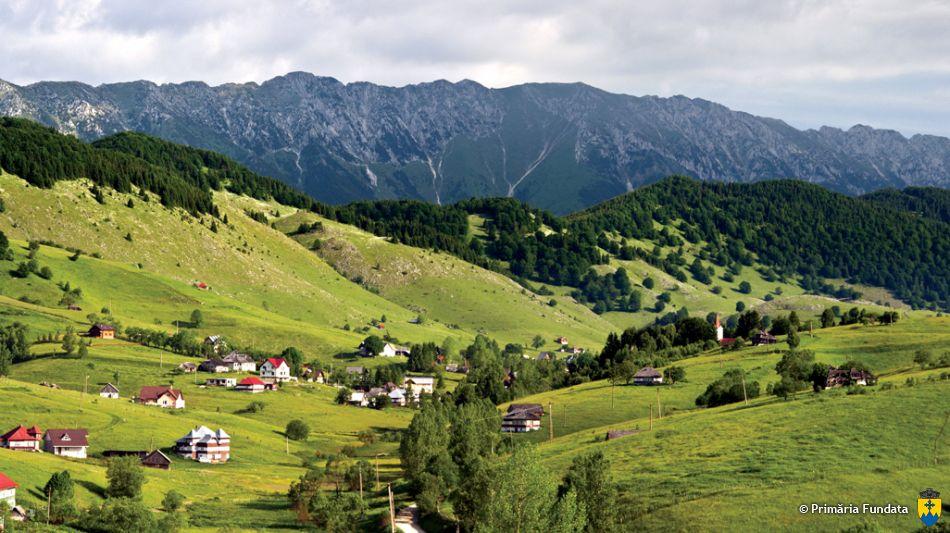
Brașov County is home to a collection of villages, each more breathtaking than the last. Today, we turn our attention to the village of Fundata, considered the seat of the Fundata commune, also located within Brașov County. With a population of 464...
 History
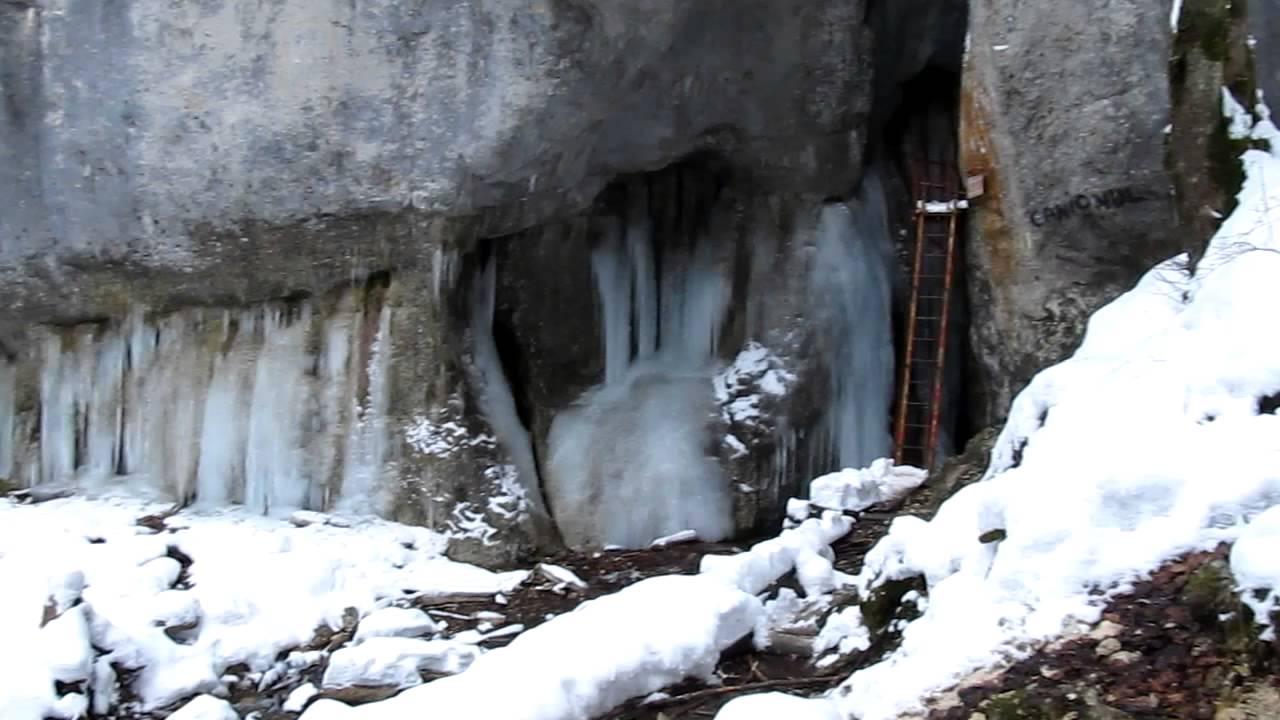
Located in Brașov County, the Seven Ladders Canyon is one of the most visited and enjoyable gorges in our country. With a length of over 150 meters at an altitude of 948 meters, this course is made up of Jurassic limestone originating from the...
 History
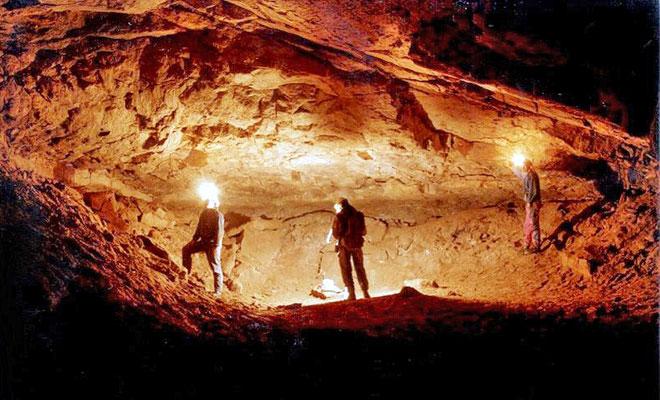
The Rodna Mountains in Bistrița-Năsăud County hide a series of joys and natural treasures. Located at an altitude of 950 meters, the Izvorul Tăușoarelor Cave holds a special place on this list. Since its discovery in 1955, the cave has remained...