+40 749 680 770Monday - Sunday: 10:00 - 18:00

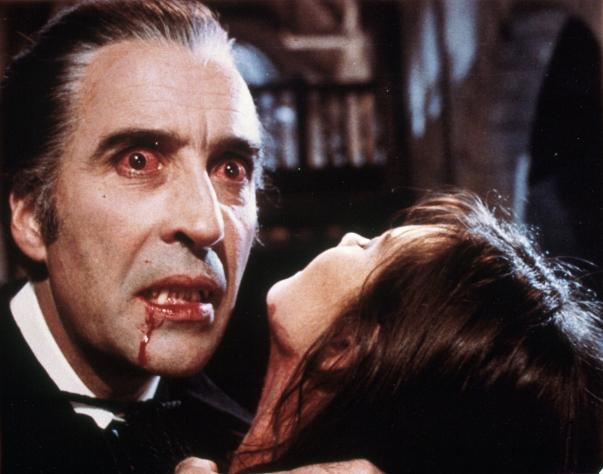
It is believed that Vlad the Impaler, the son of Vlad Dracul, was born in 1431, either at the royal court in Târgoviște or in Sighișoara while his father was in Transylvania between 1431 and 1436. His real name was "Valdislaus I Basarab-Luxemburg," baptized in the holy font at the *Saint Mary church. However, he signed his name as Dracula, a fact evidenced by an early documentary mention from Bucharest, dated September 20, 1459, and by the portrait attributed to Odhsenbach Stambuch (Stuttgart). The term Dracula is derived from the Romanian - Drăculea - meaning son of Dracul; his father received this title from the King of Hungary*.
British writer Bram Stoker consulted several 15th-century Saxon engravings at the *Royal Library in London, which were also found in the collections of the British Museum, depicting Vlad the Impaler as a monster, a vampire who drank human blood and was a great connoisseur of cruelty. He surely also had access to Johann Christian Engel's book History of Moldavia and Wallachia*, which describes Vlad the Impaler as a bloody tyrant.
He used folklore sources, historical mentions, and personal experiences to create a complex character. Bram Stoker also had the idea to associate this European legend with a South American animal: the bloodsucking bat known as the Vampire (*Desmodus rotundus*).
The nickname "Țepeș" is related to the idea that Vlad was a bloodthirsty despot who first instituted impalement as a punitive measure.
Nevertheless, if Bram Stoker had not written the novel Dracula in 1898, Vlad the Impaler would certainly have remained unknown to those outside Romania. Although the novel strays from reality, depicting Vlad the Impaler as a mythological character - a vampire, he is the reason for the notoriety that the Romanian ruler enjoys even today.
The mythical character Dracula is primarily known for:
However, Transylvania currently thrives because the myth and legend of Dracula attract hundreds of thousands of foreign tourists to Romania each year.
 History
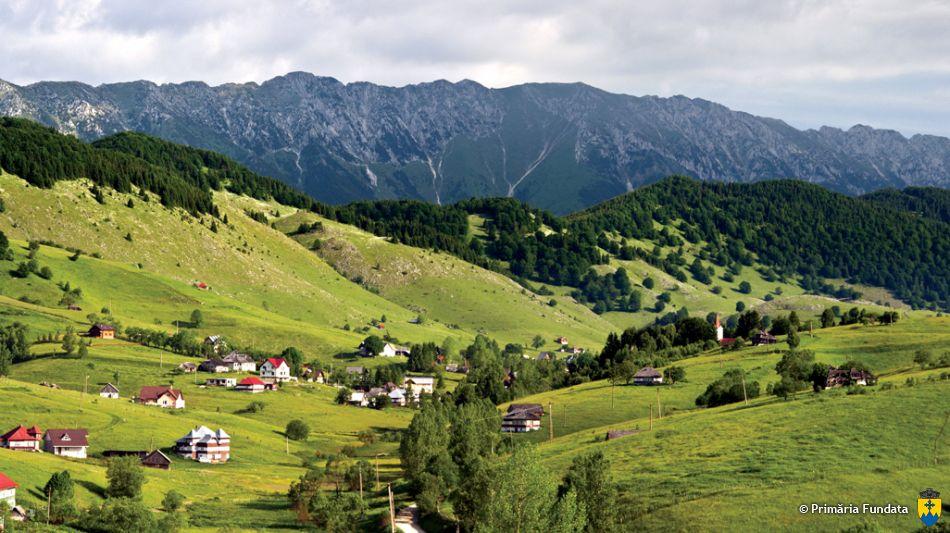
Brașov County is home to a collection of villages, each more breathtaking than the last. Today, we turn our attention to the village of Fundata, considered the seat of the Fundata commune, also located within Brașov County. With a population of 464...
 History
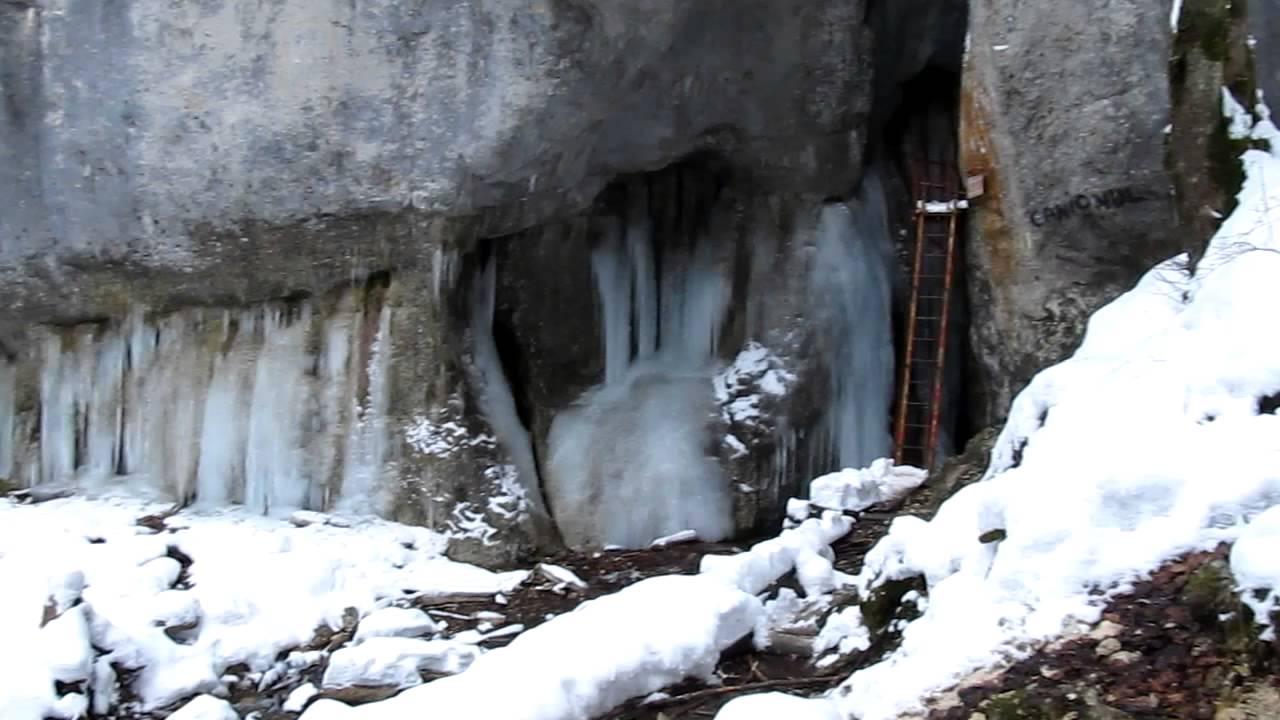
Located in Brașov County, the Seven Ladders Canyon is one of the most visited and enjoyable gorges in our country. With a length of over 150 meters at an altitude of 948 meters, this course is made up of Jurassic limestone originating from the...
 History
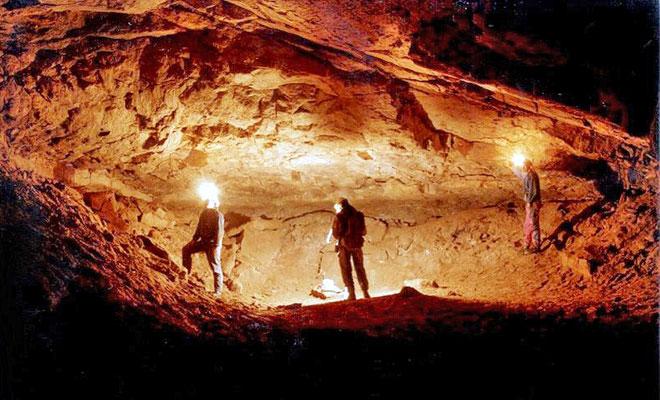
The Rodna Mountains in Bistrița-Năsăud County hide a series of joys and natural treasures. Located at an altitude of 950 meters, the Izvorul Tăușoarelor Cave holds a special place on this list. Since its discovery in 1955, the cave has remained...