+40 749 680 770Monday - Sunday: 10:00 - 18:00

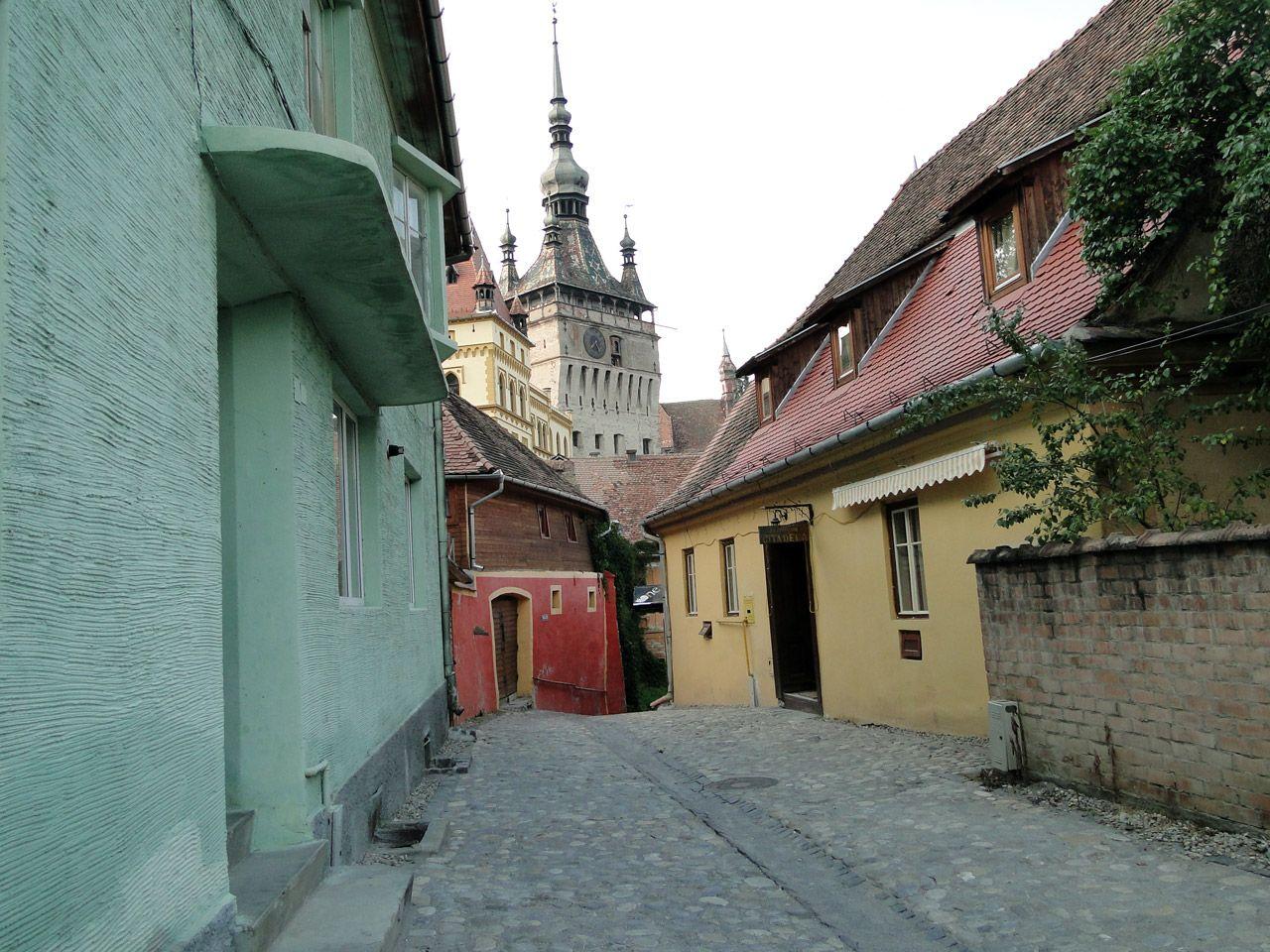
The name Transylvania derives from Latin and means "the land beyond the forests." This region is located in the center of Romania, surrounded by the Carpathian Mountains. Transylvania is currently divided into 10 counties, covering a total area of 96,837 square kilometers and has over 4.5 million inhabitants.
Throughout history and even today, the territory of Transylvania has been home to:
This diverse population explains why Transylvanian architecture and culture is a mosaic of styles.
Travelers interested in well-preserved medieval relics will undoubtedly find in Transylvania an exceptional cultural and tourist destination. The Saxon settlements and merchants who lived in Transylvania between the 12th and 20th centuries left behind unmistakable marks.
The foundations of the main seven medieval fortresses in Transylvania were laid by them:
The towers, outer walls, bastions, stairs, bridges, squares, narrow streets, public and civil buildings, and churches were built to protect the inhabitants of the fortress against Turkish sieges.
Villages also had an effective means of defense, utilizing the fortification of churches for protection; this architectural formula is now considered unique in Europe.
Tourists will be delighted to discover that many of these fortified churches still offer religious services to the villagers, and many of these places hold the mysteries of the past through myths and legends.
 Festivals
Exile and homeland – in Ovid's footsteps through Romania (from Transylvania to the Black Sea) (Guided individual trip with minibus/HP) Contact person: Ladislau Ciocan / Dr. Heike Lammers-Harlander Travel companion: Ladislau Ciocan / Dr. Heike...
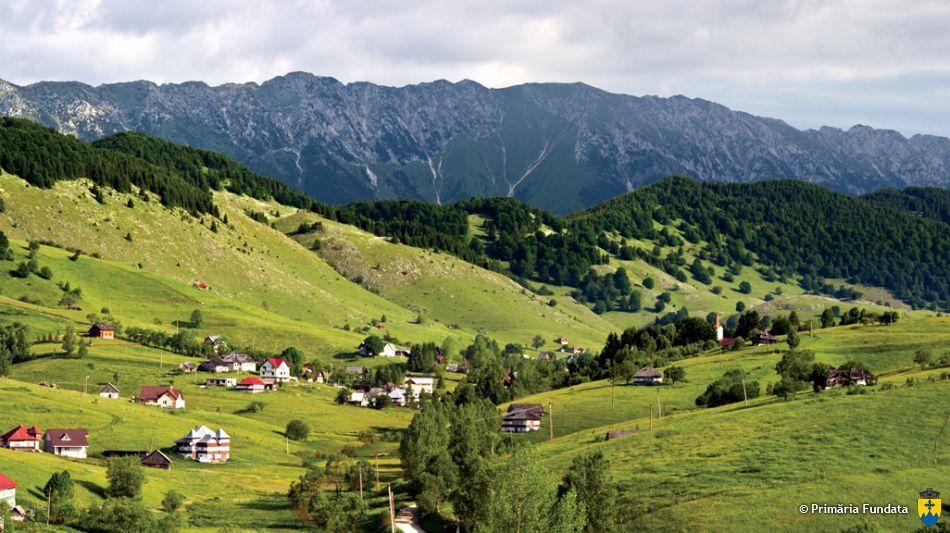
HistoryBrașov County is home to a collection of villages, each more breathtaking than the last. Today, we turn our attention to the village of Fundata, considered the seat of the Fundata commune, also located within Brașov County. With a population of 464...
 History
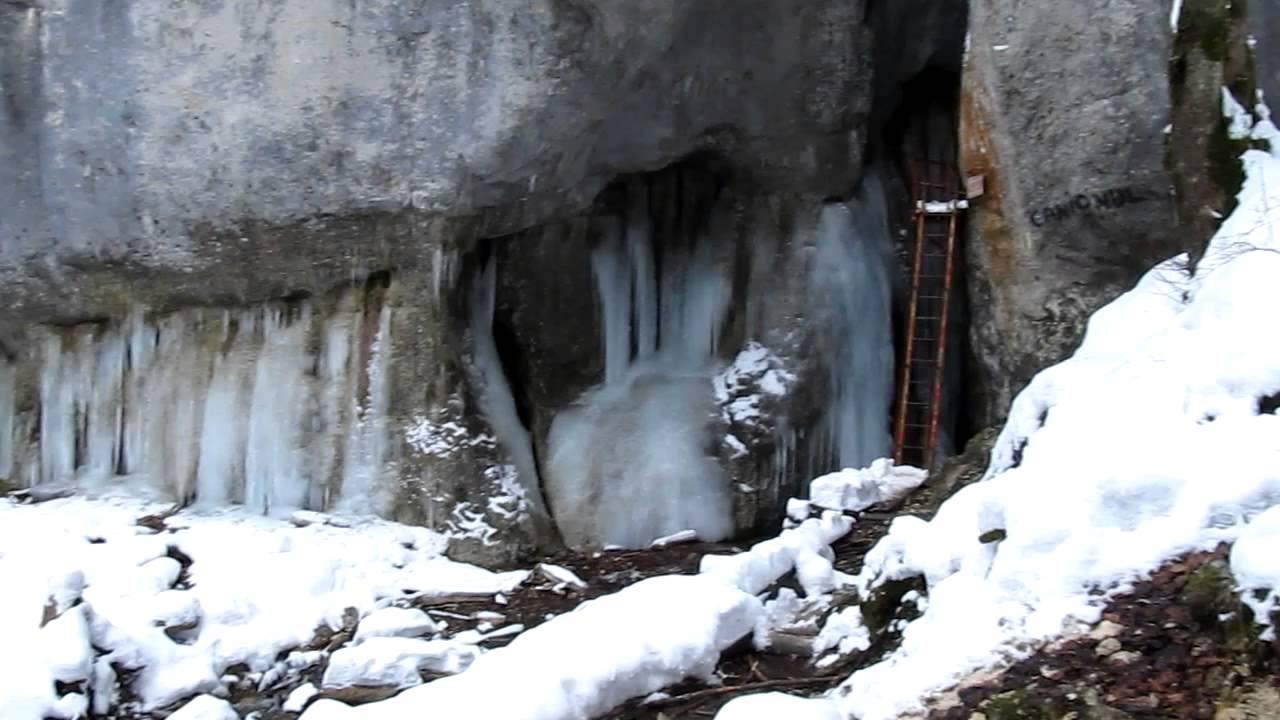
Located in Brașov County, the Seven Ladders Canyon is one of the most visited and enjoyable gorges in our country. With a length of over 150 meters at an altitude of 948 meters, this course is made up of Jurassic limestone originating from the...