+40 749 680 770Monday - Sunday: 10:00 - 18:00

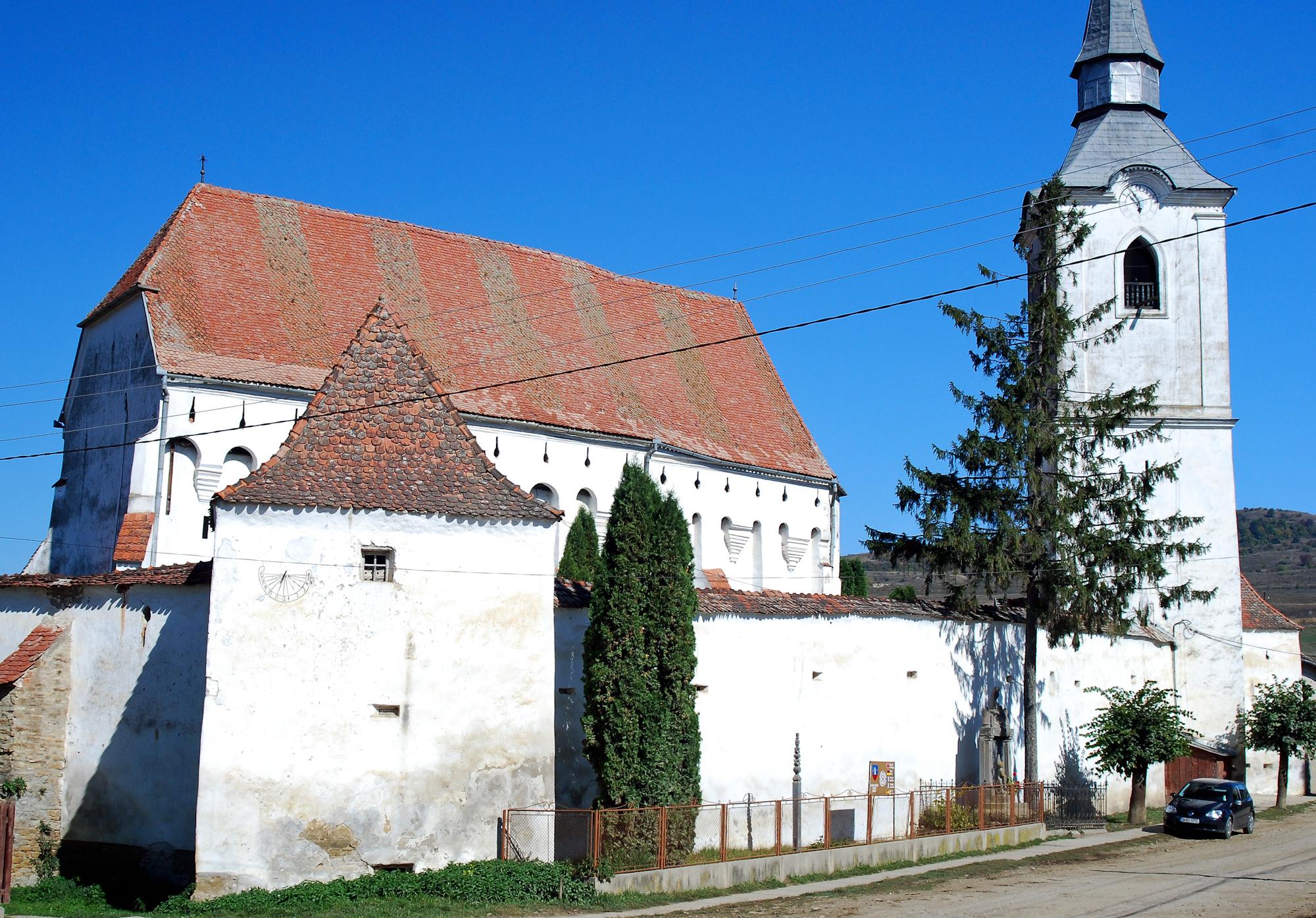
Located in Harghita County, the village of Dârjiu is recognized as the seat of the commune that bears its name, situated in Transylvania. With over 653 inhabitants, the village remains a frequently visited area, both by the relatives of the locals and by new tourists.
One of the most imposing fortifications built on the territory of Dârjiu is the Unitarian Church. Of Szekler origin, it is home to numerous elements of mural art, especially sculptures, many of which have been destroyed over time. Nevertheless, the remnants of these works suggest that there is much more to explore, created in the same manner as the conception that underlies the church in Ghelnița.
Regarding the period of existence of the murals, they lost their integral appearance during the Protestant Reformation. To withstand the test of time, the fortified church of Dârjiu has been designated a UNESCO monument. Among the remaining elements, the most important is the fresco, an artistic feature that intricately depicts a Cuman migrant wearing traditional clothing and the iconic cap. Each artistic element has its own legend, and the one referring to this passage alludes to a legend concerning the battle of Chiraleș during the 11th century.
Another aspect that makes the fortified church of Dârjiu unique is the existence of a storage room located within the walls of the structure. Here, locals can store their food, which is why the fortification is also known as the "citadel of the lard."
Additionally, the fortified church of Dârjiu features a sundial located on the southwest tower, an extremely important and quite unique aspect in today's world. In terms of dimensions:
However, returning to historical elements, this church dates back to the 15th century, when the construction was completed. To be more precise, the final moment was marked in 1530, a year that coincides with the idea of building storage rooms. In this way, that region was used for storing food such as grains, lard, and many other extremely useful supplies.
Today, it can be visited at any time, across its entire area of 1852 square meters.
 History
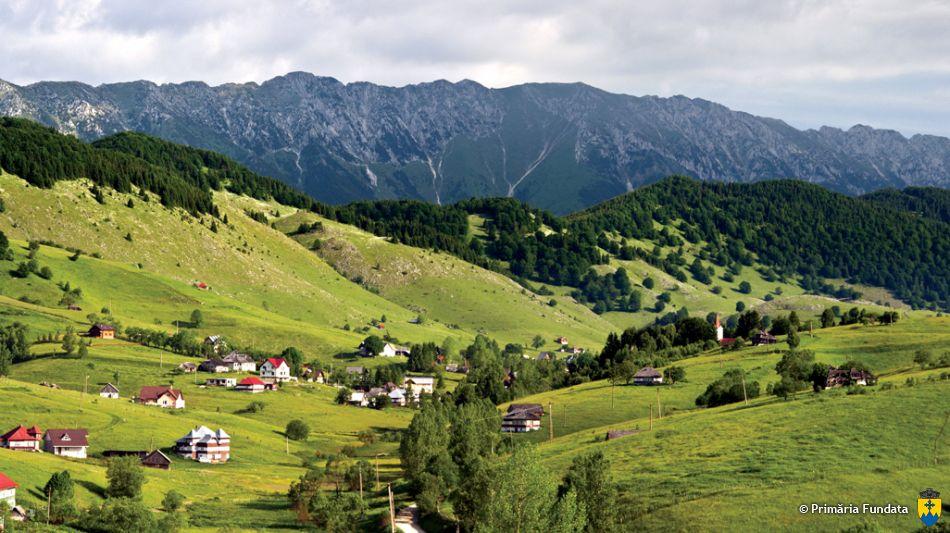
Brașov County is home to a collection of villages, each more breathtaking than the last. Today, we turn our attention to the village of Fundata, considered the seat of the Fundata commune, also located within Brașov County. With a population of 464...
 History
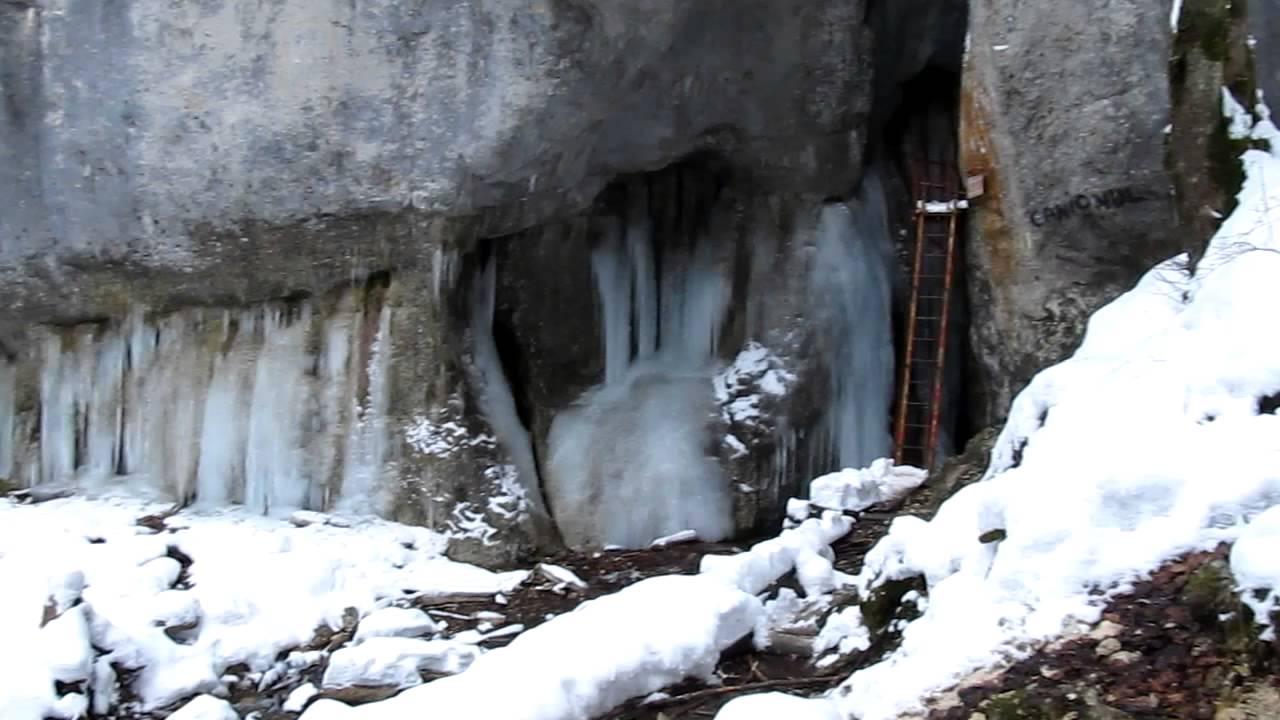
Located in Brașov County, the Seven Ladders Canyon is one of the most visited and enjoyable gorges in our country. With a length of over 150 meters at an altitude of 948 meters, this course is made up of Jurassic limestone originating from the...
 History
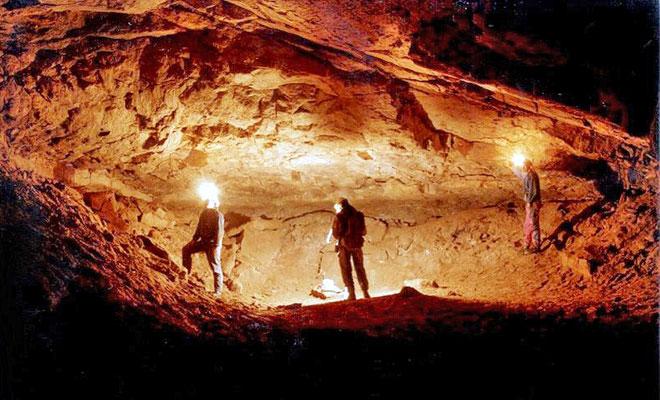
The Rodna Mountains in Bistrița-Năsăud County hide a series of joys and natural treasures. Located at an altitude of 950 meters, the Izvorul Tăușoarelor Cave holds a special place on this list. Since its discovery in 1955, the cave has remained...