+40 749 680 770Monday - Sunday: 10:00 - 18:00

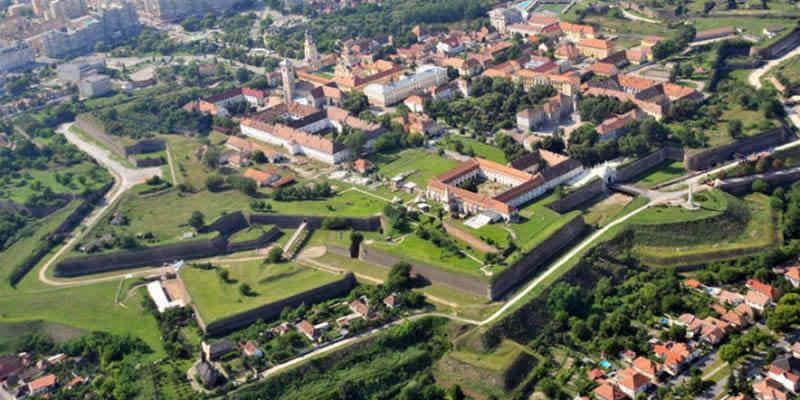
Since ancient times, the city of Alba Iulia held a monopoly on what it means to defend strategically. To support this claim with practical evidence, the 18th century marks the tribute of the *Alba Carolina Fortress*, fortified for defense purposes.
More specifically, construction began in 1715, immediately upon recognizing the need for such a fortress. The imperative demand arose from the urgency of defending the Habsburg Empire against the repeated attempts of the Ottoman Empire to establish a new stronghold. Geographically, the fortress is located on the Citadel Hill, making it very easy to notice and consider for your next vacation.
The construction duration required 23 years of diligent work, being completed only in 1738. Prior to the raising of the *Alba Carolina Fortress*, other fortifications existed on the same territory, namely:
The practical utility of the Alba Carolina Fortress became evident during the year 1849, during its three-month siege. The totality of the citizens in the area, in an attempt to find a relatively peaceful place to take shelter, settled in the inner moats of the fortification. These measure no less than 27 meters in width. Thus, the fortress marked its necessity for which it was built and glorified.
Structurally, the Alba Carolina Fortress is built based on the Vauban system, arranged on seven bastions designed to provide a complete view of potential marauders. To this day, the seven gates outlined along the fortress plan still exist.
However, before reaching the completion of the gates, the Alba Carolina Fortress underwent several project revisions and territorial adjustments. Thus, in order to increase the fortress's strength against external siege attempts, a new project was planned, which, however, remained unfinished.
We mention here the year 1747, when the decision was made to fortify the exterior, but soon the construction was interrupted. On the other hand, late in 1812, the resumption of construction was promulgated, an aspect put into practice and maintained even during the siege of 1849.
The Alba Carolina Fortress was technically sketched by the Italian architect Giovano Morando Viscoti, but it was not fully completed due to his death from a plague infection. Other engineers and architects took over the project, modifying it in various areas, the most significant difference (and with effects on the siege plan) being the transition from the four lines of fortification envisioned by Viscoti to the three that currently exist.
 History
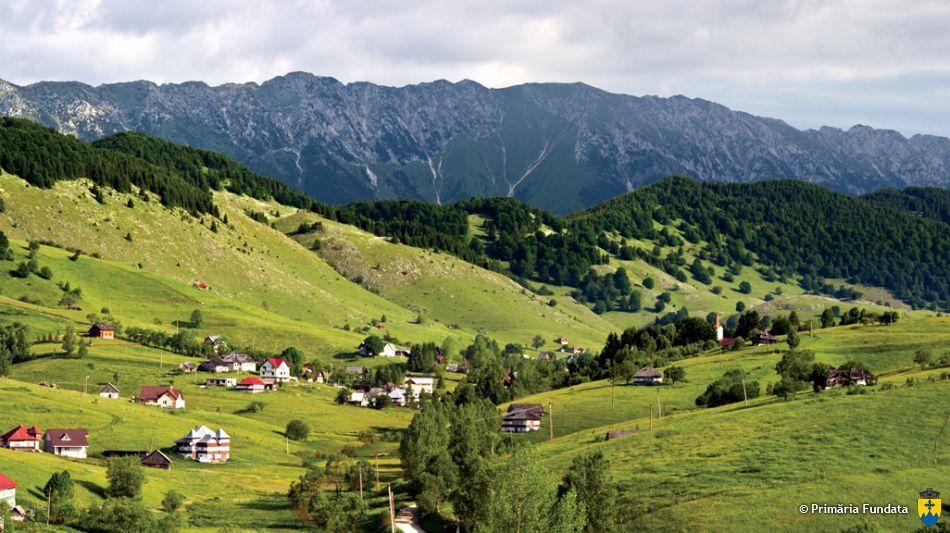
Brașov County is home to a collection of villages, each more breathtaking than the last. Today, we turn our attention to the village of Fundata, considered the seat of the Fundata commune, also located within Brașov County. With a population of 464...
 History
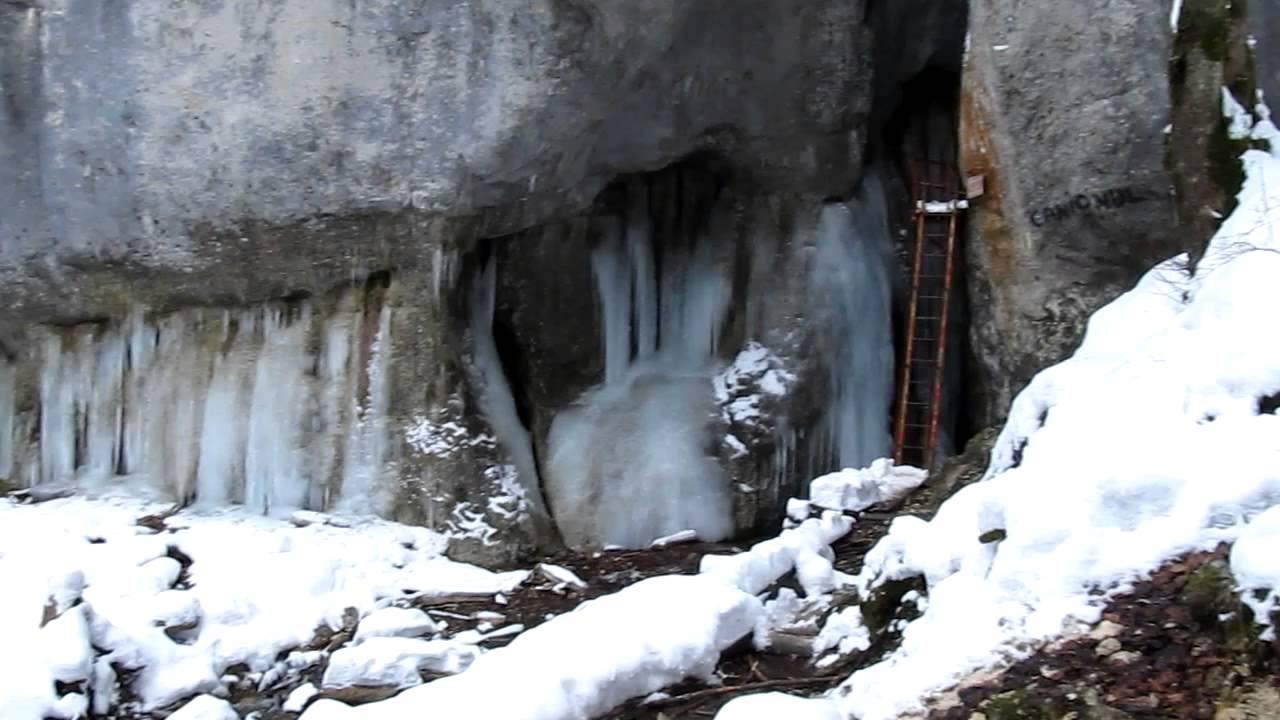
Located in Brașov County, the Seven Ladders Canyon is one of the most visited and enjoyable gorges in our country. With a length of over 150 meters at an altitude of 948 meters, this course is made up of Jurassic limestone originating from the...
 History
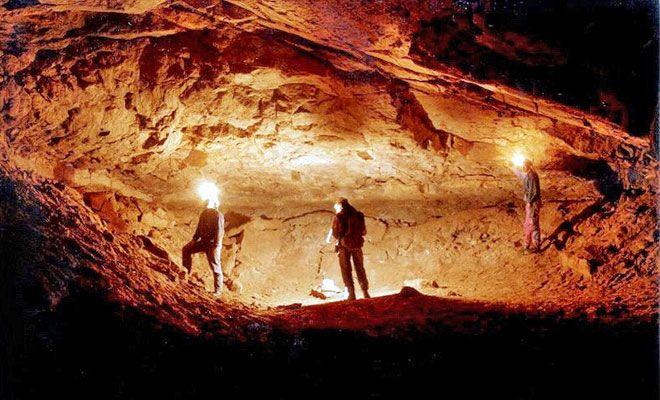
The Rodna Mountains in Bistrița-Năsăud County hide a series of joys and natural treasures. Located at an altitude of 950 meters, the Izvorul Tăușoarelor Cave holds a special place on this list. Since its discovery in 1955, the cave has remained...