+40 749 680 770Monday - Sunday: 10:00 - 18:00

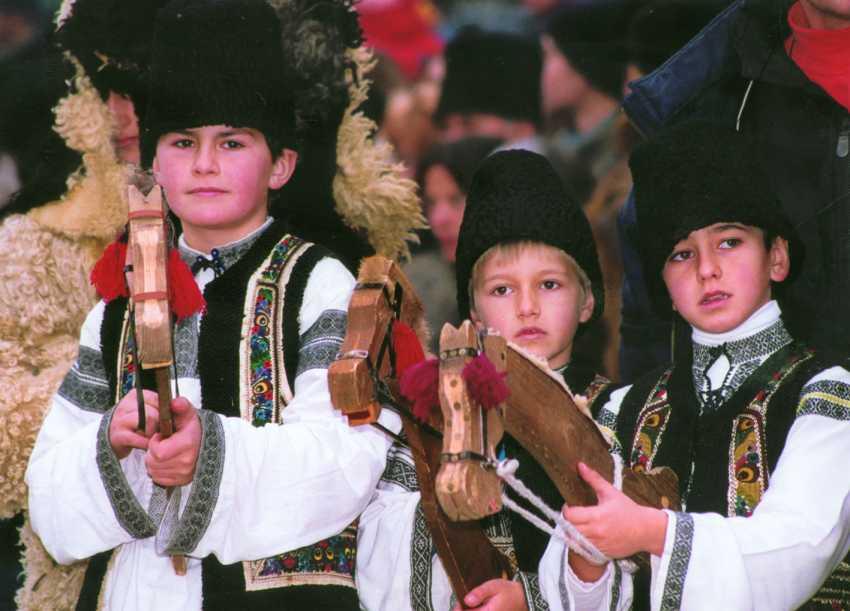
In Poplaca, a village just 12 kilometers from Sibiu, a group of children, teenagers, and adults carry on an old and especially valuable tradition of the Romanians: the dance of the călușari. They usually meet after school, during free afternoons, but especially during holidays, when the more than 20 members of the Dumbrăvița Ensemble put on a performance that will remind you why you should love Romania and Transylvania.
Even though the violin is typically an essential part of the călușari dance, the ensemble from Poplaca has replaced it with the accordion and clarinet, while their costumes have retained the same characteristics that have made this dance so beloved since the medieval period.
The călușari tradition has its roots in the years of the Sun Cult, dating back to the 14th century BC. It was usually practiced in the southern regions of our country and in Moldova, especially during the Feast of Pentecost.
The name of the dance comes from the horse god Căluceanu, and the dance features elements and movements that symbolize hoof beats and equine behavior.
Alongside the Doina, the Ritual of the Căluș is part of the UNESCO cultural heritage list.
 Festivals
Exile and homeland – in Ovid's footsteps through Romania (from Transylvania to the Black Sea) (Guided individual trip with minibus/HP) Contact person: Ladislau Ciocan / Dr. Heike Lammers-Harlander Travel companion: Ladislau Ciocan / Dr. Heike...
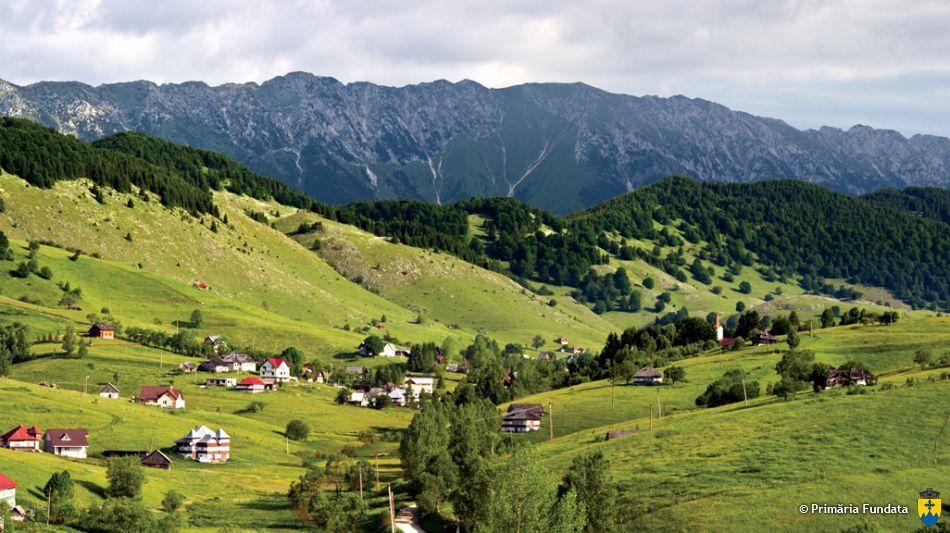
HistoryBrașov County is home to a collection of villages, each more breathtaking than the last. Today, we turn our attention to the village of Fundata, considered the seat of the Fundata commune, also located within Brașov County. With a population of 464...
 History
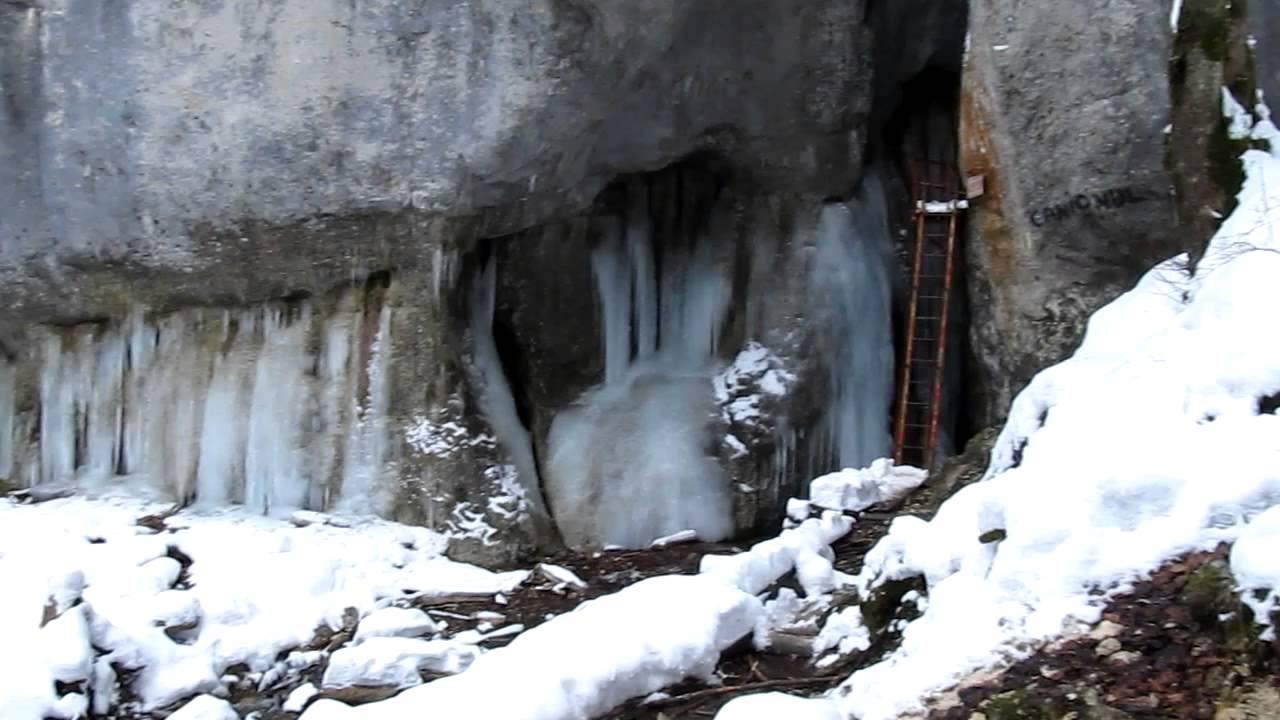
Located in Brașov County, the Seven Ladders Canyon is one of the most visited and enjoyable gorges in our country. With a length of over 150 meters at an altitude of 948 meters, this course is made up of Jurassic limestone originating from the...