+40 749 680 770Monday - Sunday: 10:00 - 18:00

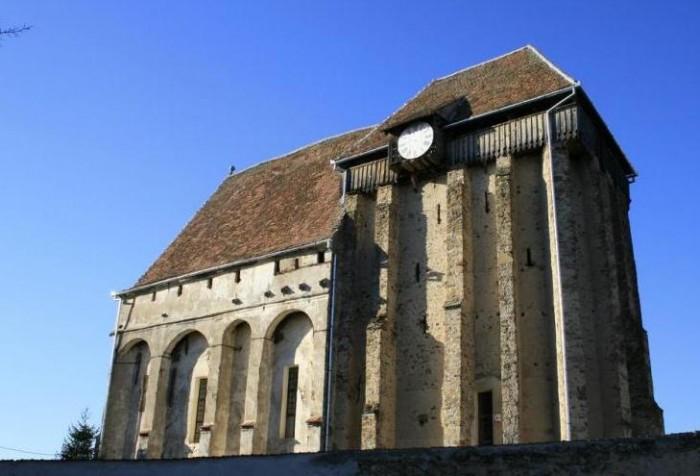
Located in the commune of Șoarș, the village of Seliștat is an area within the Brașov region well-known for its history and the extracurricular camps held annually. In the past, the settlement was recognized by the name Jălișteat, and by 1733, over 12 families of Romanian origin were already living here.
However, the first documented mention of the village dates back to 1206, making it one of the earliest settlements in Transylvania. Additionally, this was also the time when Saxons first appeared in the area.
But Seliștat is not remarkable for this alone – what is truly interesting is its fortification, specifically the fact that it houses one of the 300 churches that have been preserved and can be visited even today.
Although the primary role of this fortification was as a place of worship, in ancient times the church also served as a defensive stronghold, a refuge for anyone in need. Furthermore, in modern times, it has become a real cultural center used by teachers to guide and mentor the youth.
The church was built between 1300 and 1350, but without a tower. It was only after a long time, during difficult periods when a series of attacks befell it, that the fortification was elevated.
The main culprits of such offensives were the Turkish army, as they viewed the church in Seliștat as a formidable power too great to attack the population. And it is no wonder why – by the end of the 15th century, when the church regained its strength, the Saxons quickly constructed the body of the church and ensured that they could pour tar on any wrongdoer.
In this way, the fortification was well-guarded, and moreover, from that place today, one can enjoy exceptional views over the village of Seliștat.
There are countless traces on the church walls that reiterate the moments of crisis it has endured. For a long time, the fortification was left to decay due to the exodus of the population.
It was only later, in 1997, that restoration efforts began to renovate the church and usher it into a truly exceptional era.
 History
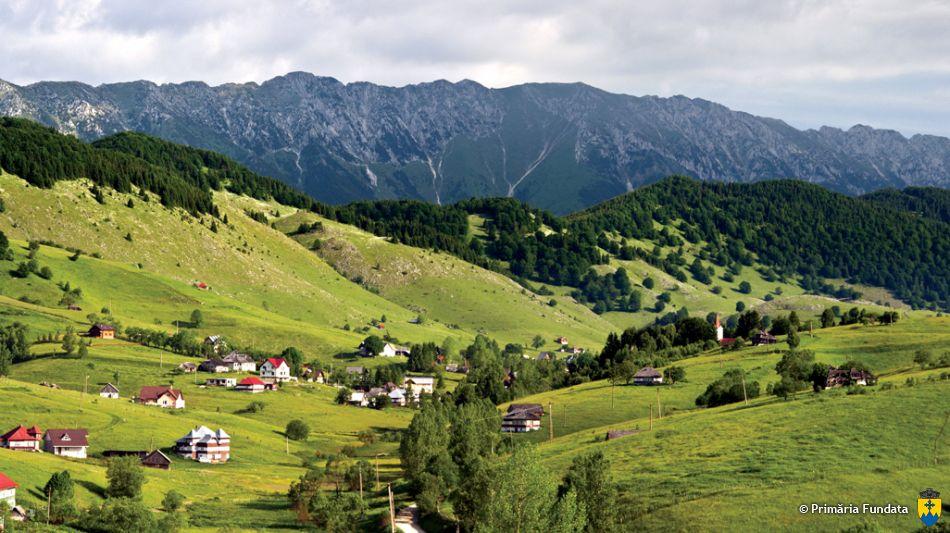
Brașov County is home to a collection of villages, each more breathtaking than the last. Today, we turn our attention to the village of Fundata, considered the seat of the Fundata commune, also located within Brașov County. With a population of 464...
 History
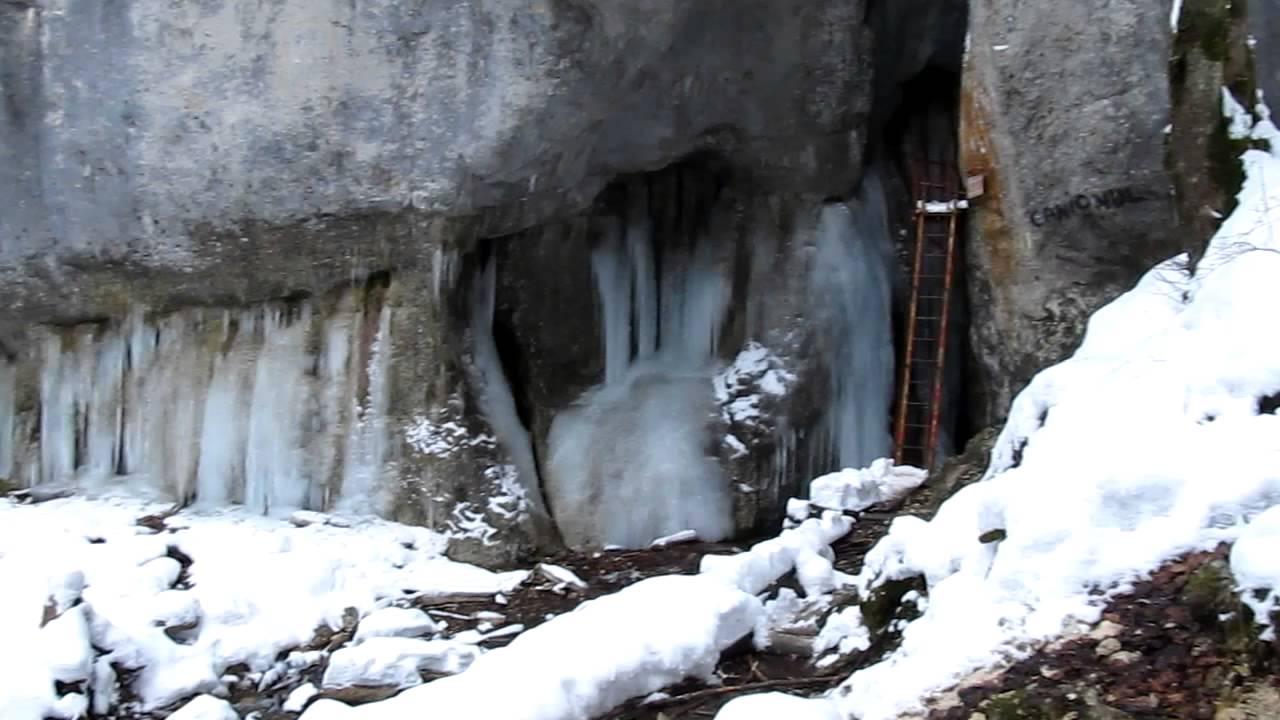
Located in Brașov County, the Seven Ladders Canyon is one of the most visited and enjoyable gorges in our country. With a length of over 150 meters at an altitude of 948 meters, this course is made up of Jurassic limestone originating from the...
 History
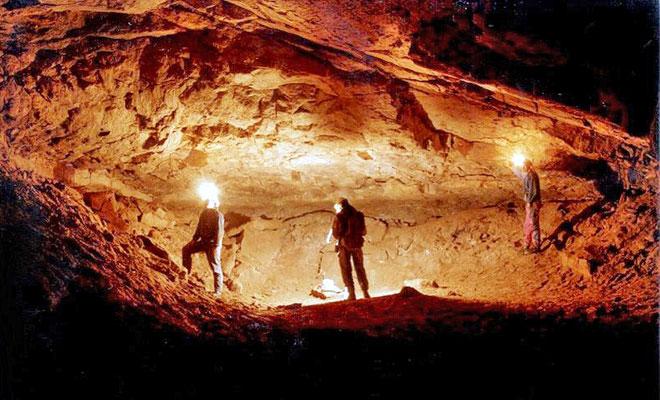
The Rodna Mountains in Bistrița-Năsăud County hide a series of joys and natural treasures. Located at an altitude of 950 meters, the Izvorul Tăușoarelor Cave holds a special place on this list. Since its discovery in 1955, the cave has remained...