+40 749 680 770Monday - Sunday: 10:00 - 18:00

The authors of the report are: Julie Dawson, a staff member of the Leo Baeck Institute New York and the head of the project *Exploration of the Archives of Transylvania and Bukovina, as well as architect Letitia Cosnean and project manager Anda Reuben*.
The town of Mediaș was founded in the 12th century by Transylvanian colonists. By the mid-19th century, several Jewish families could already be documented in the surrounding villages, and a few in Mediaș itself. After the Revolution of 1848, the legal restrictions on the right to freedom of movement were relaxed, leading many Jewish families from the villages to move to Mediaș, forming the Mediaș community. Around this time, David Bäumel from the Bohemian village of Wolfersdorf also settled in the region. He was appointed the first rabbi of the community. He married Lotte Kappel, the daughter of a wealthy Jewish family that had already settled in Mediaș in the late 18th century.
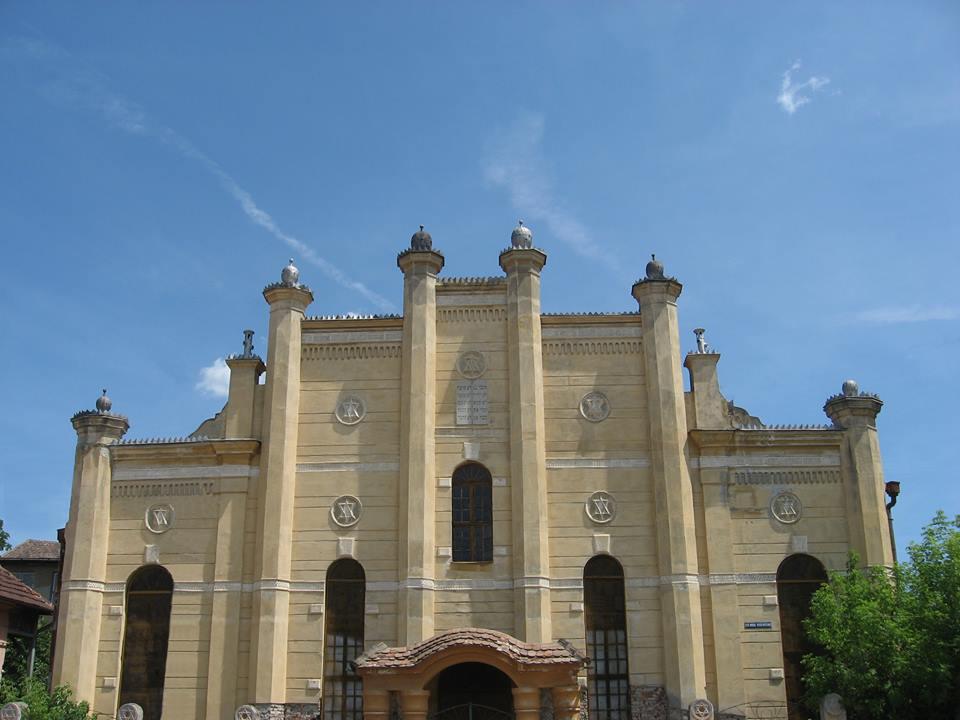
By the early 20th century, the outlines of the community were becoming clearly defined. This is symbolized by the construction of a new and imposing synagogue on the edge of the medieval city wall. Like the Saxon majority of the population, the community also officially spoke German.
David Bäumel passed away in 1899, but in 1905, Moishe Reich from Budapest took over as the new rabbi, assuming office and responsibility. In the 1920s, the chairman of the community, Benjamin Czitron, financed the construction of a Jewish school and a ritual bath, the Mikveh, next to the synagogue.
The community survived World War II relatively unscathed and without major losses, but after the war, it faced a series of changes:
In the 1950s and 1960s, the majority of the Jews from Mediaș – like many other Jewish citizens of Romania – left the country for Israel or other states. As a result, after the fall of the communist regime at the end of the 1980s, only a handful of people in Romania still identified with the Jewish faith.
Currently, the synagogue stands empty, but the archival materials and prayer books are housed in the former administrative building next to the synagogue.
The original building dates back to 1896, but in the following years, several renovations were made, such as the two side extensions on the right and left of the vestibule. At the back, the school and the ritual bath, the Mikveh, are connected. Typically, the synagogues of Transylvania were stylistically influenced by the grand buildings of the Danube Monarchy in the late 19th century. In contrast, the architectural style of the Mediaș Synagogue could be described as an eclectic processing of various styles from the 19th century. It unmistakably incorporates romantic and Moorish elements:
It is very likely that the architect of the synagogue was inspired by the construction styles he encountered in Vienna or Budapest, but adapted them to meet the needs of the Mediaș community and in reference to regional building forms.
The interior is divided into two zones: the entrance area and the ceremony hall. The entrance area on the west side is divided into three rooms:
The ceremony hall is very spacious: the 18x11 meter room is surrounded on three sides by the balcony of the women's gallery. In the center of the main nave is the platform known as the Bima, which is framed by an intricately turned wooden railing. The benches are arranged around it. The Bima was the place from which the Torah scrolls were read to the congregation. When not in use during religious ceremonies, they rested in the Torah ark (*Aron ha-Qodesh), which was also elevated and located on the eastern wall, facing Jerusalem. Above the ark were the two tablets with the Ten Commandments*. The wall paintings incorporate several traditional elements in their artistic design:
In 2008, a large collection of archival materials, books, and other items from the original possessions of the Jewish Community of Mediaș was discovered inside the synagogue. The oldest documents date back to the late 19th century, while many others originate from the period between the two World Wars, specifically the time shortly after 1945. An ambitious project aimed at cataloging and digitizing this archival material is planned for the period from May 2014 to April 2015. The project is funded thanks to the generous donation of a benefactor who requested anonymity. Additionally, the project is supported by the Mihai Eminescu Trust.
All digitized sources are made available online on the website of the Leo Baeck Institute New York (lbi.org). In this way, the LBI opens a window to the history of the Jewish population of Transylvania and Bukovina, allowing future generations to rediscover and evaluate the archived testimonies (jbat.lbi.org).
 Tourist areas
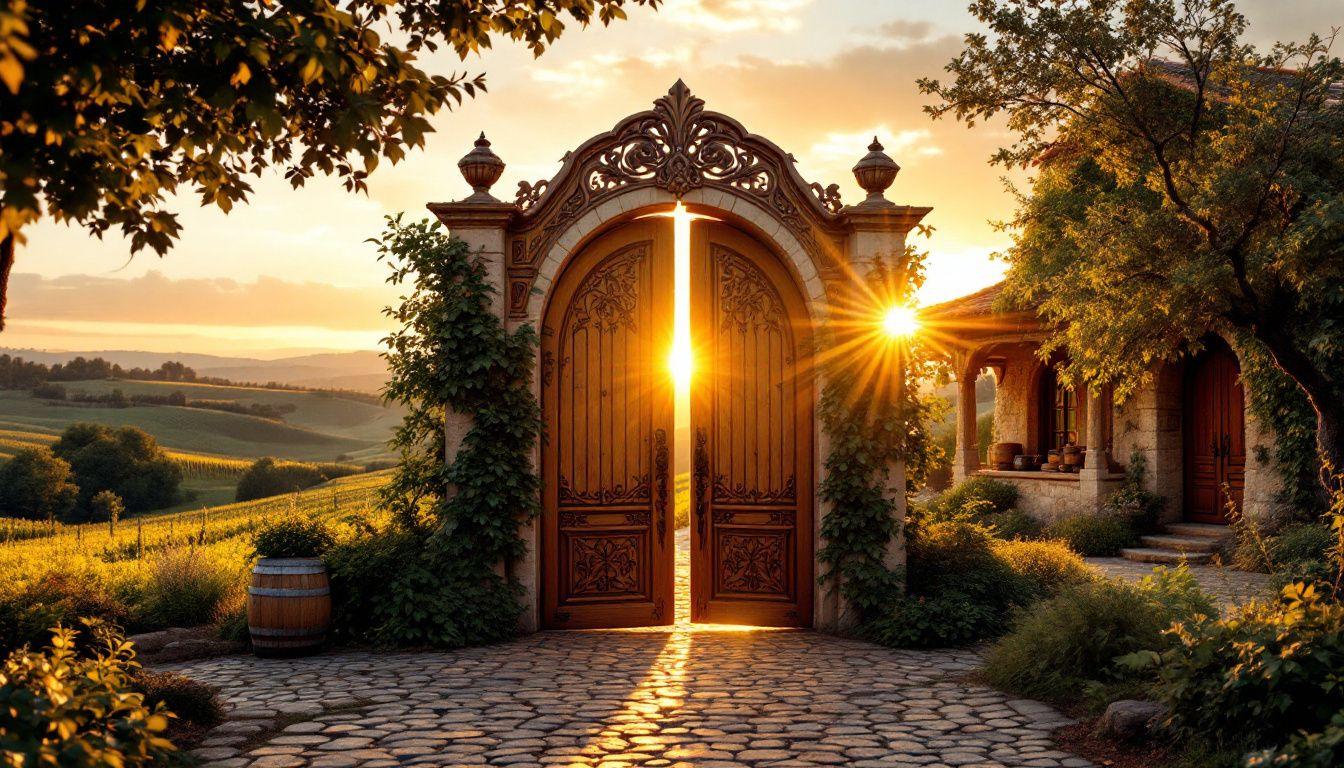
The Sântu Cellar and the Gate of the Soul: An Authentic Wine Destination in the Heart of Transylvania Transylvania, a region known for its natural beauty a...
 Tourist areas
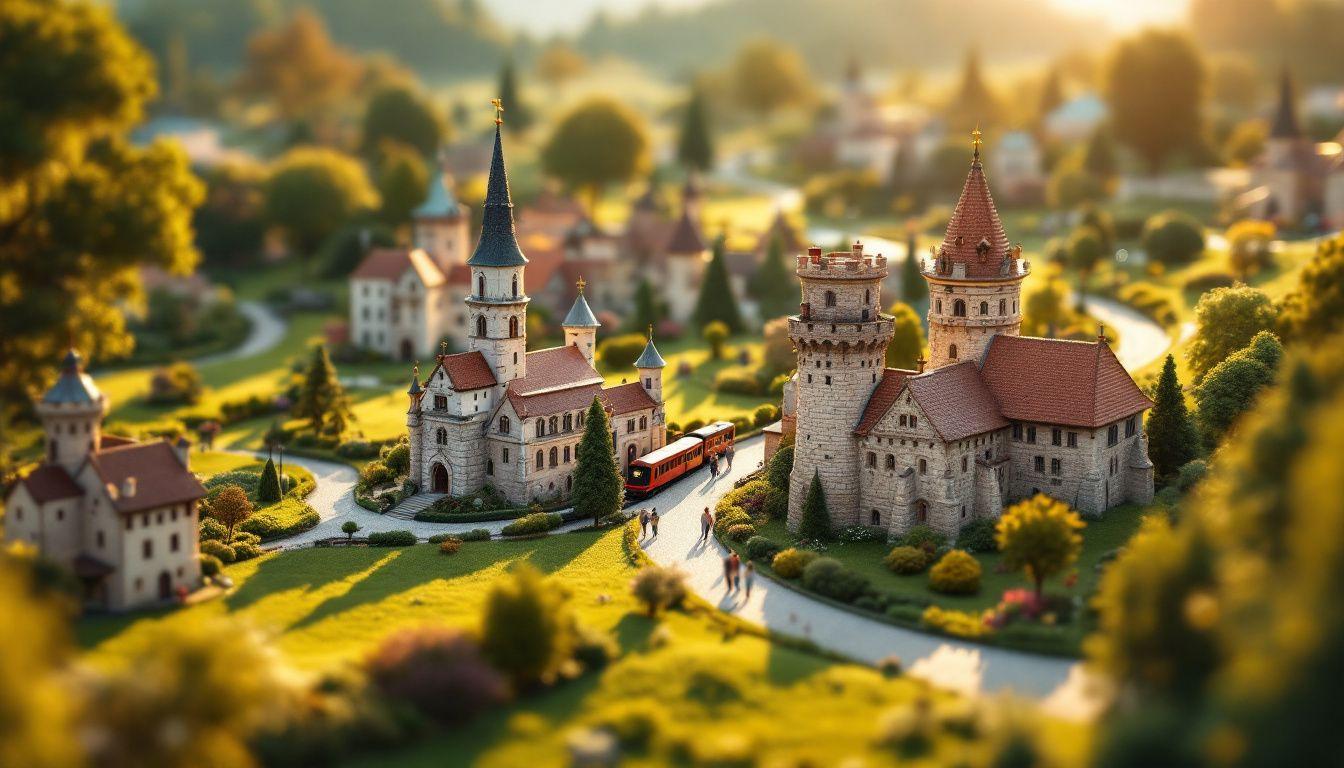
Mini Transylvania Park: A Paradise of Architectural Miniatures in the Heart of Transylvania In the heart of Transylvania, in the Băile Seiche area of Hargh...
 Tourist areas
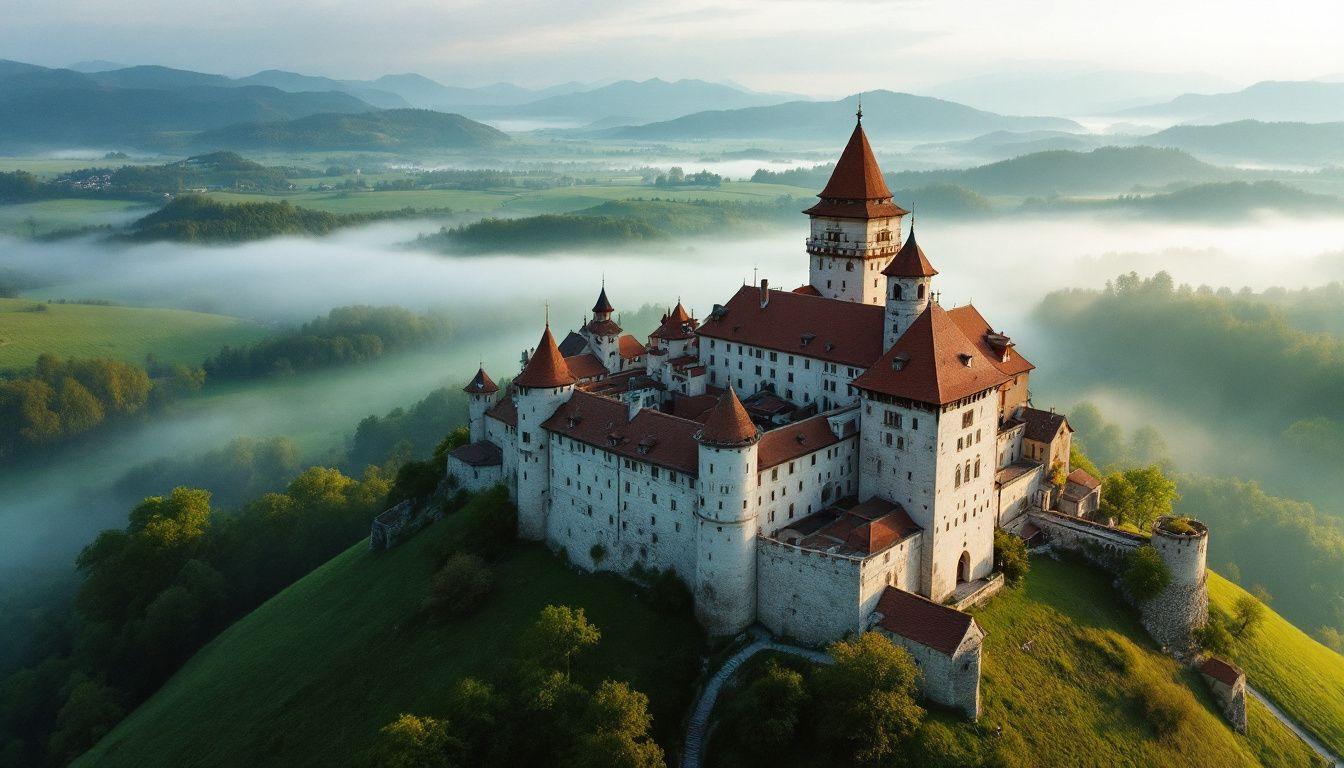
Feldioara Fortress - Marienburg: A Medieval Fortress in the Heart of Transylvania Located in Feldioara, Brașov County, approximately 20 kilometers north of...