+40 749 680 770Monday - Sunday: 10:00 - 18:00

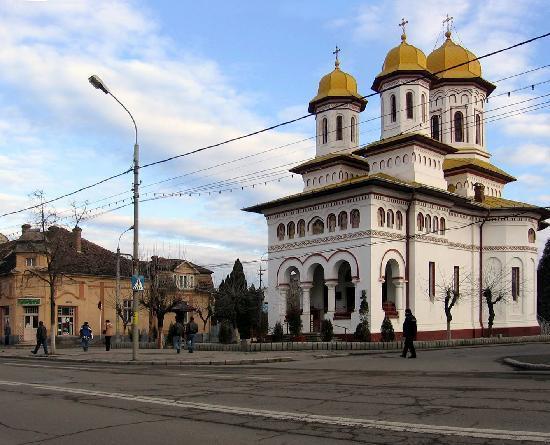
Mureș County is home to one of the most beautiful cities in Romania, right by the Târnava Mică River. Having endured several hardships imposed by certain unfortunate periods of the last century, the town stands heroically, being well-known and visited annually by numerous tourists in search of *unwritten history*.
However, referring to the written history, the inscription marking the transition of the locality to city status was made years ago, in 1912. A year later, light was brought to the entire region, which was illuminated by gas. But that’s not all – during the Kingdom of Romania, Târnăveni took on the name and role of a county, receiving increasing attention.
Historically, the city dates back to 1278, although some clues suggest that the *Neolithic period* might be its initial date, when humans first set foot in the area. These assumptions are somewhat sustainable, considering the period in question.
From an industrial perspective, the city of Târnăveni holds particular significance. Especially in previous years, the main branch focused on areas of real military interest, particularly regarding devices used in such events.
To this day, there have been numerous small factories somewhat connected to the aforementioned, but what has persisted is the production of carbide – yes, it continues even now.
Production activities have diversified, becoming increasingly common and ephemeral over time. Of course, some are more profitable than others, with some focused on:
Nevertheless, it is extremely interesting to observe these transitions over time, these new ideas and strategies adopted by the locals to make the city of Târnăveni attractive and profitable once again.
There are a number of tourist attractions that every visitor is more than welcome to admire. We are talking about:
Thus, it is no wonder why it is known as a splendid locality, worthy of admiration, visitation, and a place to return to with great pleasure.
 Festivals
Exile and homeland – in Ovid's footsteps through Romania (from Transylvania to the Black Sea) (Guided individual trip with minibus/HP) Contact person: Ladislau Ciocan / Dr. Heike Lammers-Harlander Travel companion: Ladislau Ciocan / Dr. Heike...
 Tourist areas
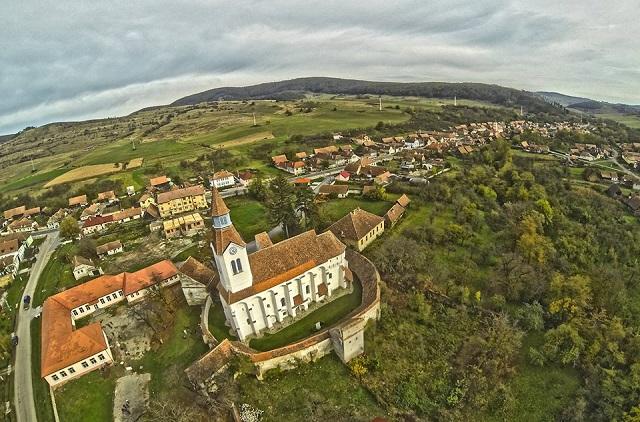
Most likely, not many ancestors are familiar with this name. The village of Bunești used to have another name, a Romanian but old one, recognized as Bundorf, Bondorf, or Bondref. Whatever name we give it, this settlement represents the residence of...
 History
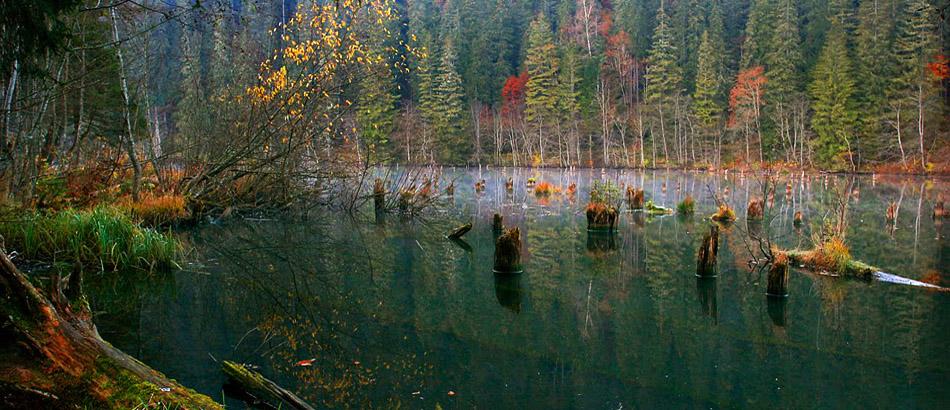
Did you know that... Lake Red is also known as Ghilcos Lake? Whatever the name, it is certain that the lake is a natural dam type, created by nature as a result of a landslide in 1838. That year, on January 23, an earthquake with a magnitude of 6.9...