+40 749 680 770Monday - Sunday: 10:00 - 18:00

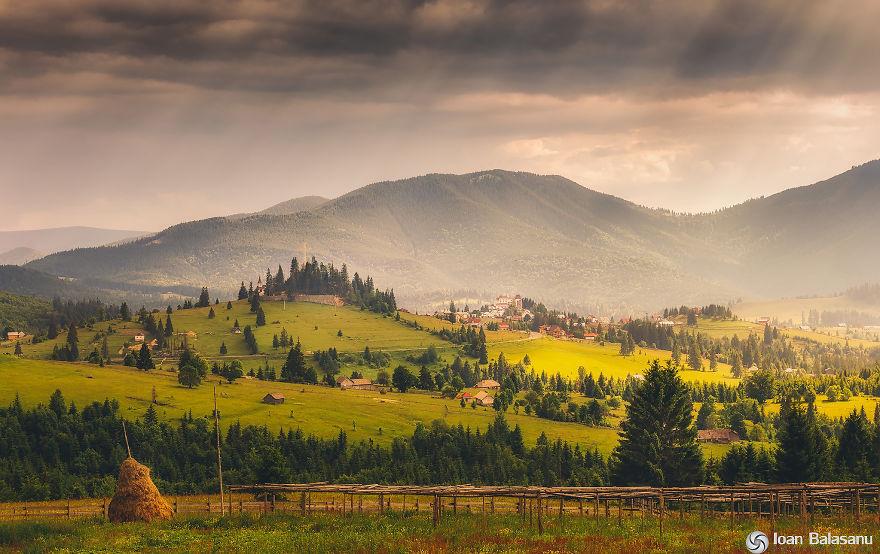
Nature is, without a doubt, one of the most beautiful elements to see, feel, and live with. Fortunately, our country offers a wealth of such elements, and Tihuța Pass is no exception. Located in the Bârgău Mountains at an altitude of 1,201 meters, this geographical feature is considered a pass that intersects with the national road DN17.
Logically speaking, Tihuța Pass represents the connection between two depressions of real significance in our country, namely the Dornelor Depression and the Transylvanian hilly depression.
However, one must take into account the very strong ozonated air found at Tihuța Pass. Due to its altruistic altitude, the climate is predominantly tonic, and nearby, you can find the following tourist areas:
Even if we hadn't thought about it before, Tihuța Pass hosted the Garlic Festival in 2013. Since then, a tradition has been established that is honored every year and has evolved into a nationally recognized event. On the other hand, in terms of tourist attractions, there are several elements that you should not miss once you arrive here.
The first of these attractions is the Poiana Stampei Peat Bog and Piatra Fântânele, both located at an altitude of 1,201 meters. For any tourist in the area, this is the place where a faithful copy of the famous *Bram Stoker* meets. Additionally, any visitor can enjoy ski slopes and even sledding.
Furthermore, Tihuța Pass is close to the Piatra Fântânele Monastery, near which stands a 31-meter tall metal cross. Also not far away is Colibița Lake.
The importance of Tihuța Pass is explained by the fact that it was part of an ancient trade route that fell into disrepair starting in the 19th century. In the past, the road coinciding with this pass was constructed as soon as an order was received from the War Council of the Austro-Hungarian Army between 1812 and 1817. It was only much later, in 1969, that the entire road was well implemented and thoroughly improved.
With all this in mind, it is clear why Tihuța Pass is one of the places we should see as soon as possible.
 History
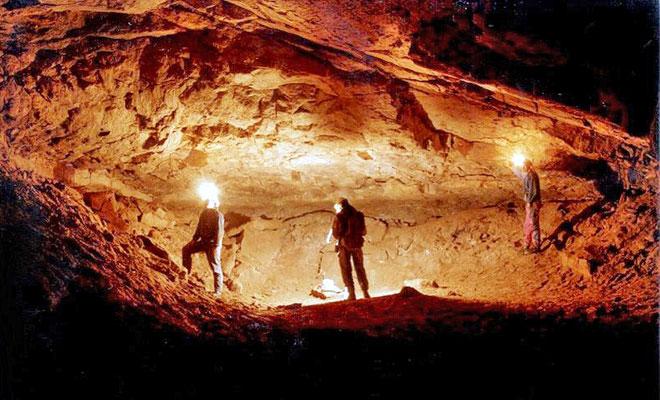
The Rodna Mountains in Bistrița-Năsăud County hide a series of joys and natural treasures. Located at an altitude of 950 meters, the Izvorul Tăușoarelor Cave holds a special place on this list. Since its discovery in 1955, the cave has remained...
 Free Time
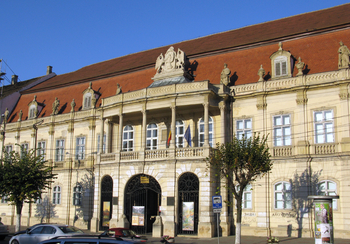
Built in the town of Cluj-Napoca, Banffy Palace is recognized as one of the most remarkable fortifications in the western part of the country. The quality of the construction becomes evident from the very moment we learn that the work belongs to the...
 Free Time
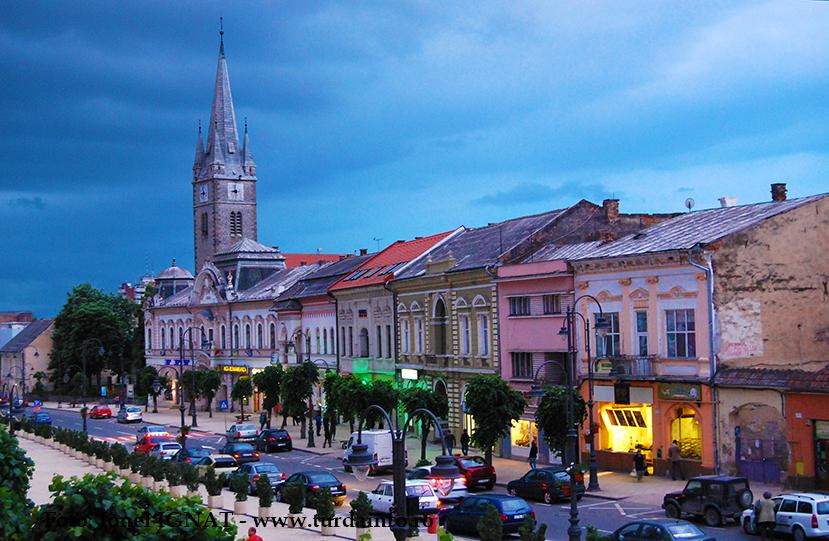
Located in Cluj County, the town of Turda is a municipality that belongs to the region of Transylvania. In 2011, according to the national census, it had a population of 43,472 residents and was first documented in 1202. The city seat is Turda, a...